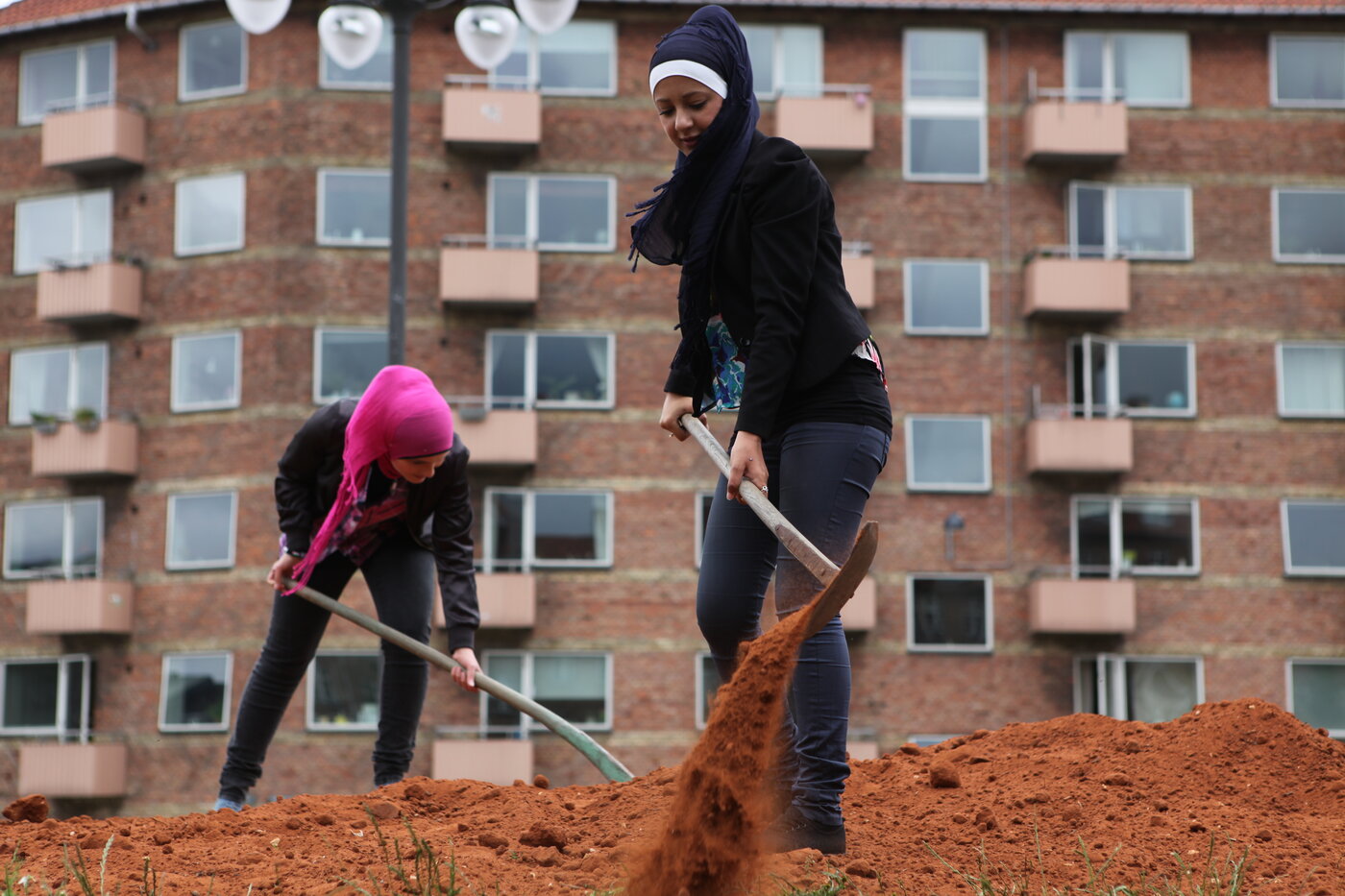
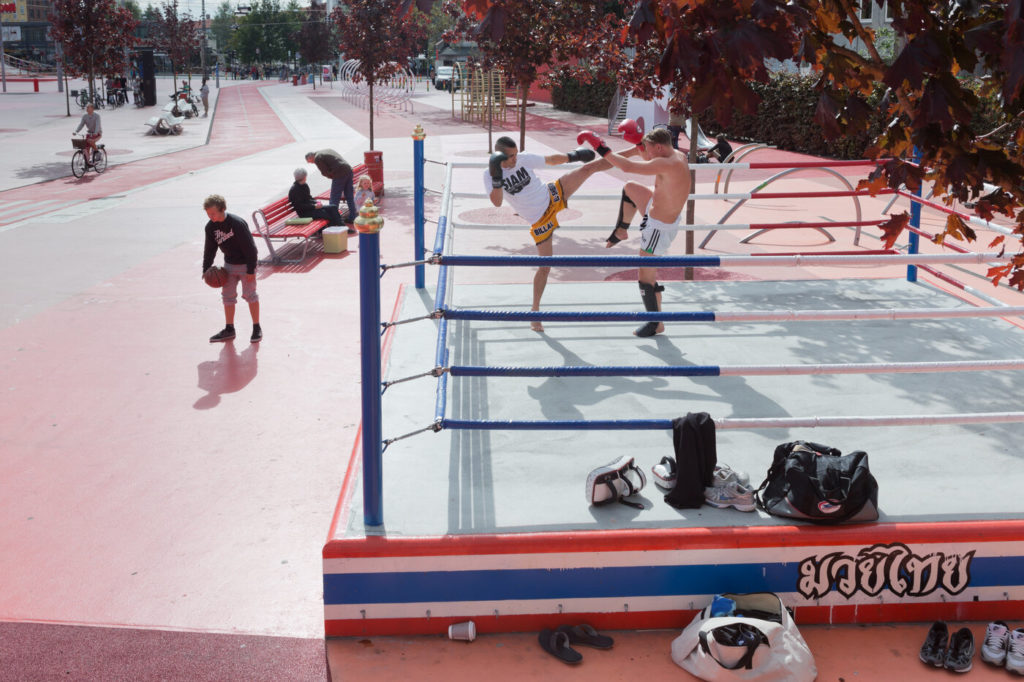
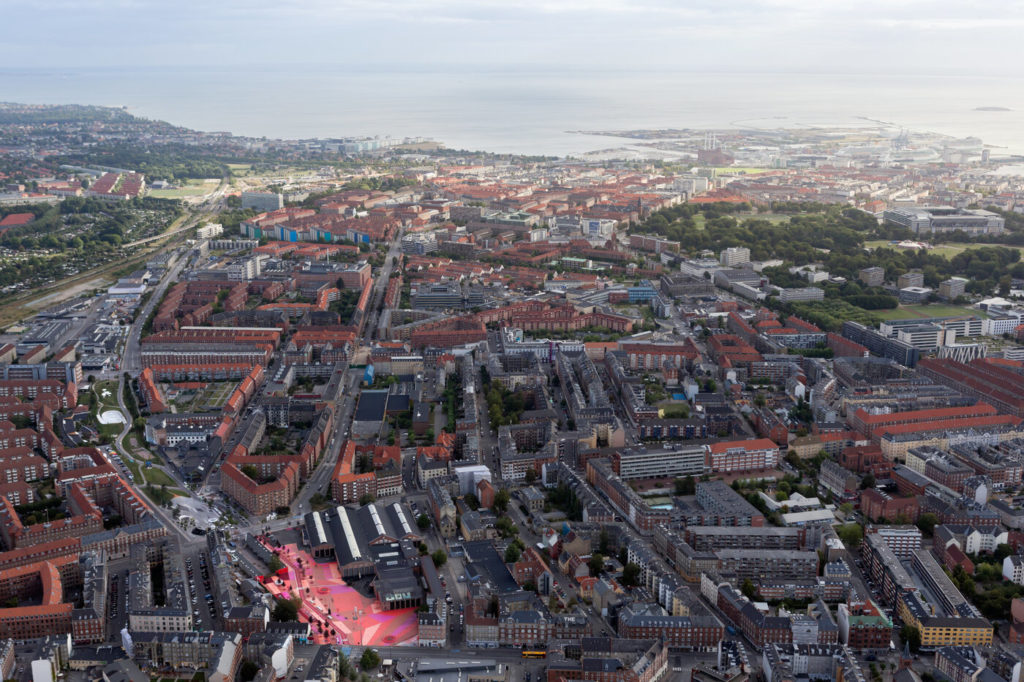
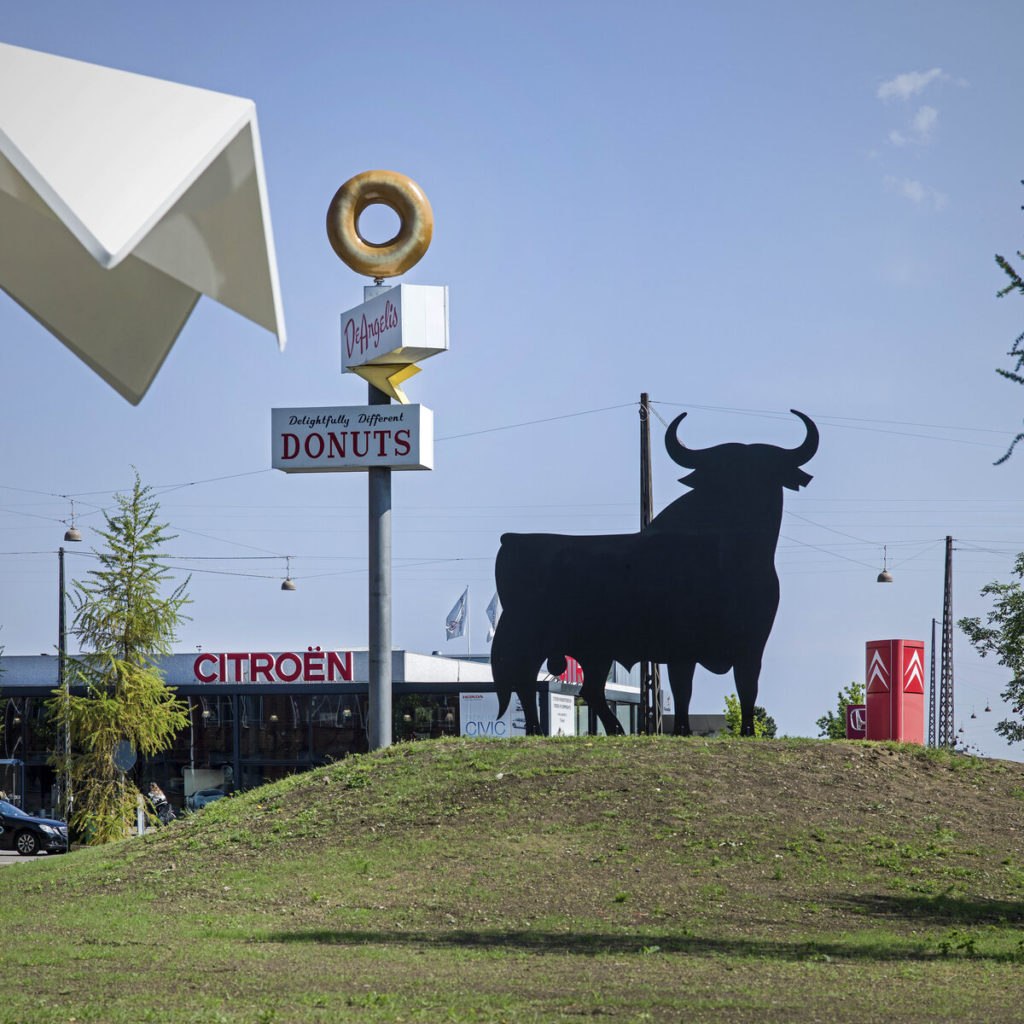
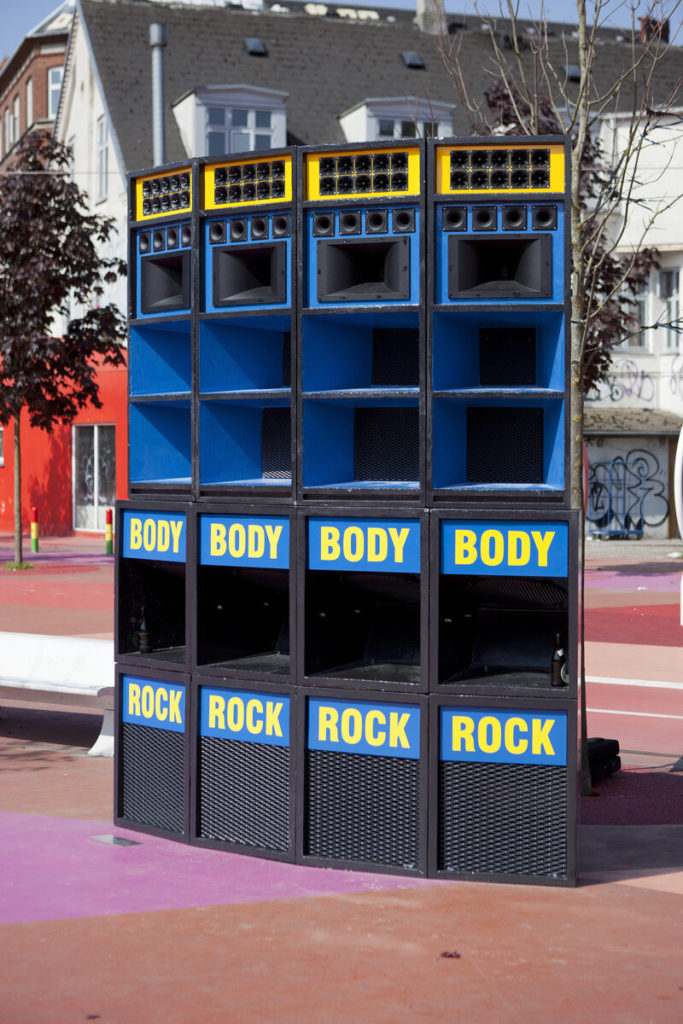
Superkilen is one of many public spaces that have been created over the past twenty years in the Copenhagen district of Nørrebro. The park aimed to create an extended social space that would integrate Nørrebro more closely into the urban fabric. It was also intended to establish conditions for co-management and inclusion, so that various cultural and ethnic groups could become part of the planning. Thus, the aim went beyond simply creating a space where the neighborhood’s residents wanted to spend time. The design was also to reflect their diversity. In the process, a series of spaces was created that were shaped by different aspects and programmed by various activities. But this conversely raises a multitude of questions about the precise ambitions for and implementation of civil society participation processes.
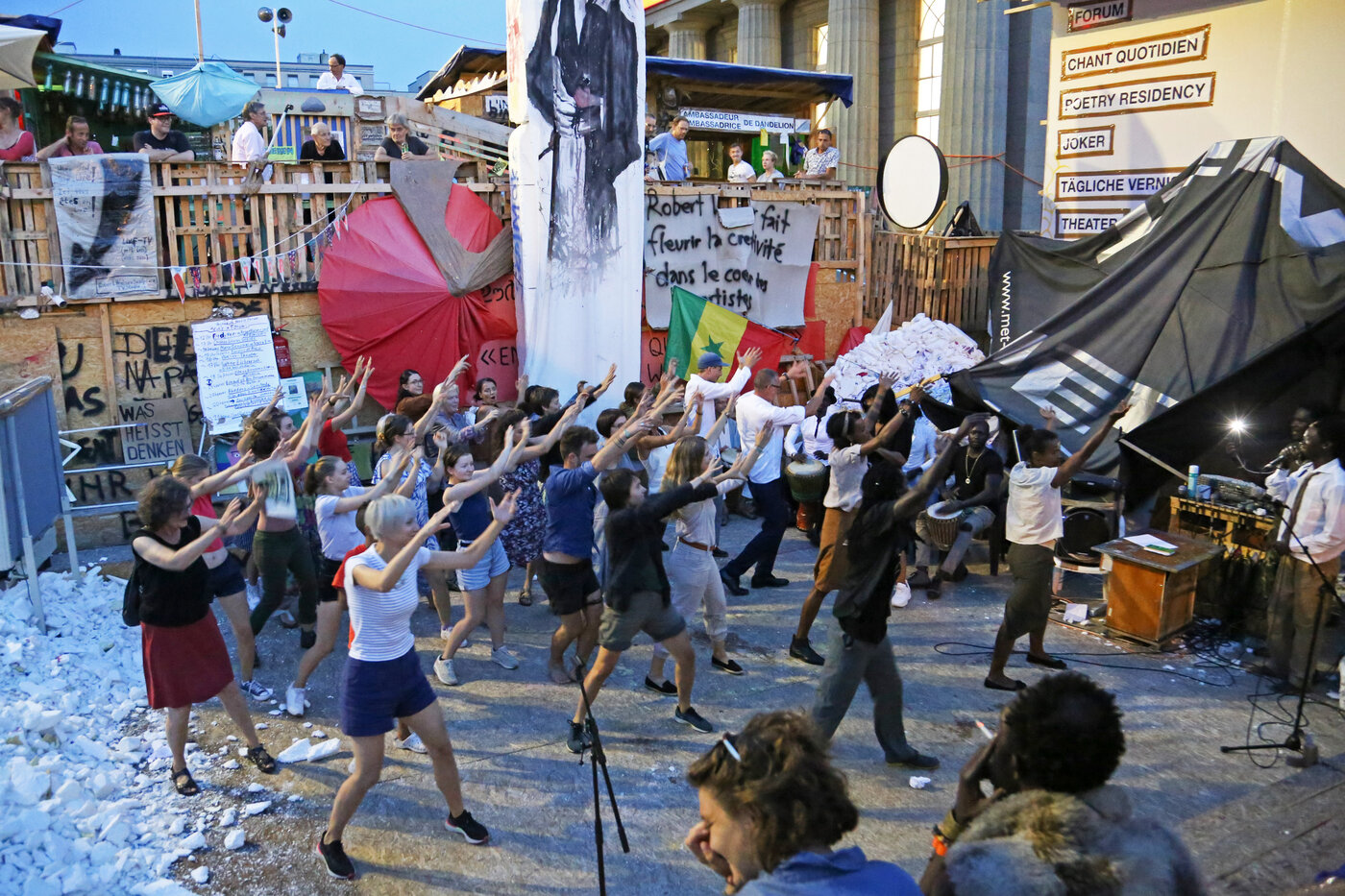
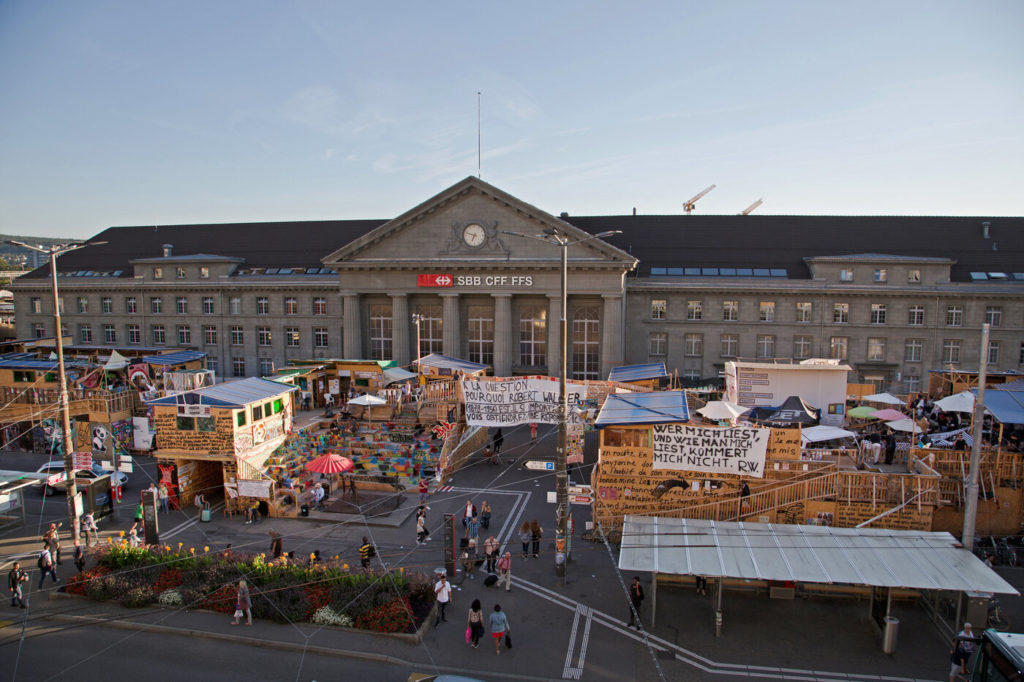
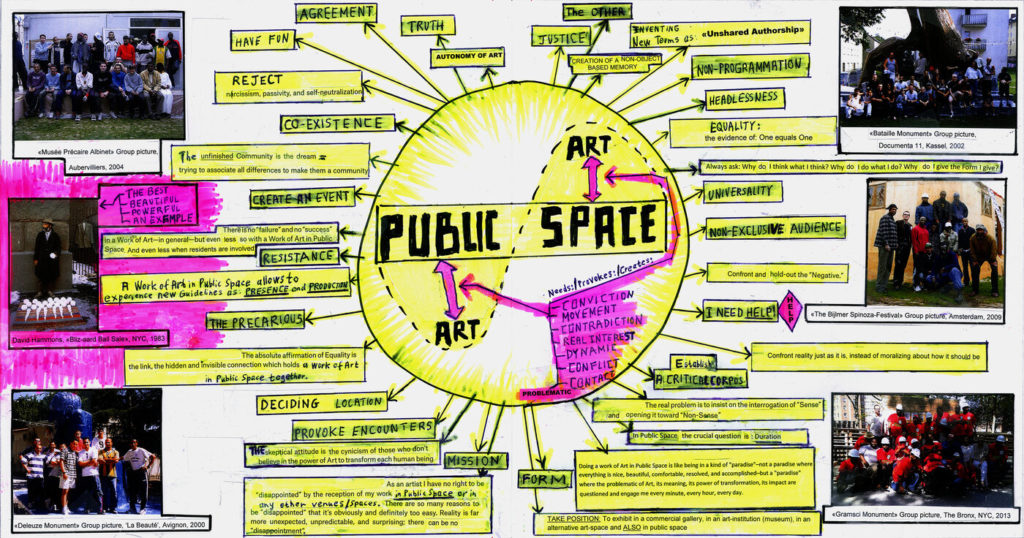
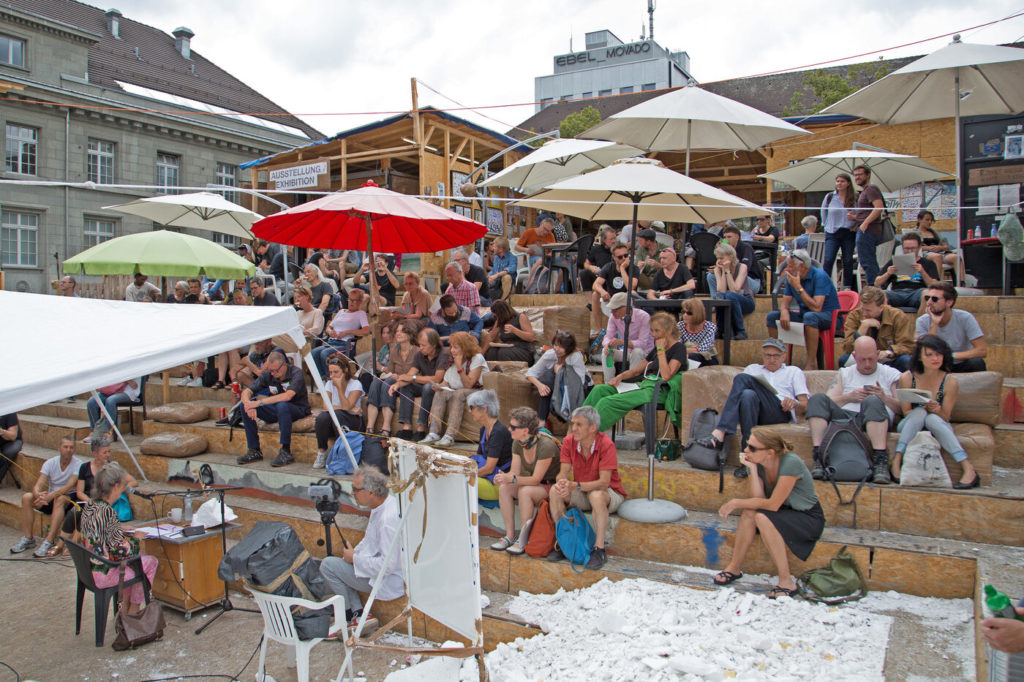
Thomas Hirschhorn’s works address the challenges of our time. They deal with climate emergency and justice, consumer excess and alienation. Many of the geopolitical discussions raised by the artist, which we can usually hold at a distance, collapse over and upon us. We break in. We become part of the Hirschhornian cosmos, which so clearly says how important it is to take a stance. At first glance, the exhibited collage seems strangely sober, almost alienated. Values and attitudes, not solutions, are at its core. We seek simple answers to the multitude of questions in vain. Rather, the project is about establishing social relationships, acting together, the invention of practices that produce or change spaces.
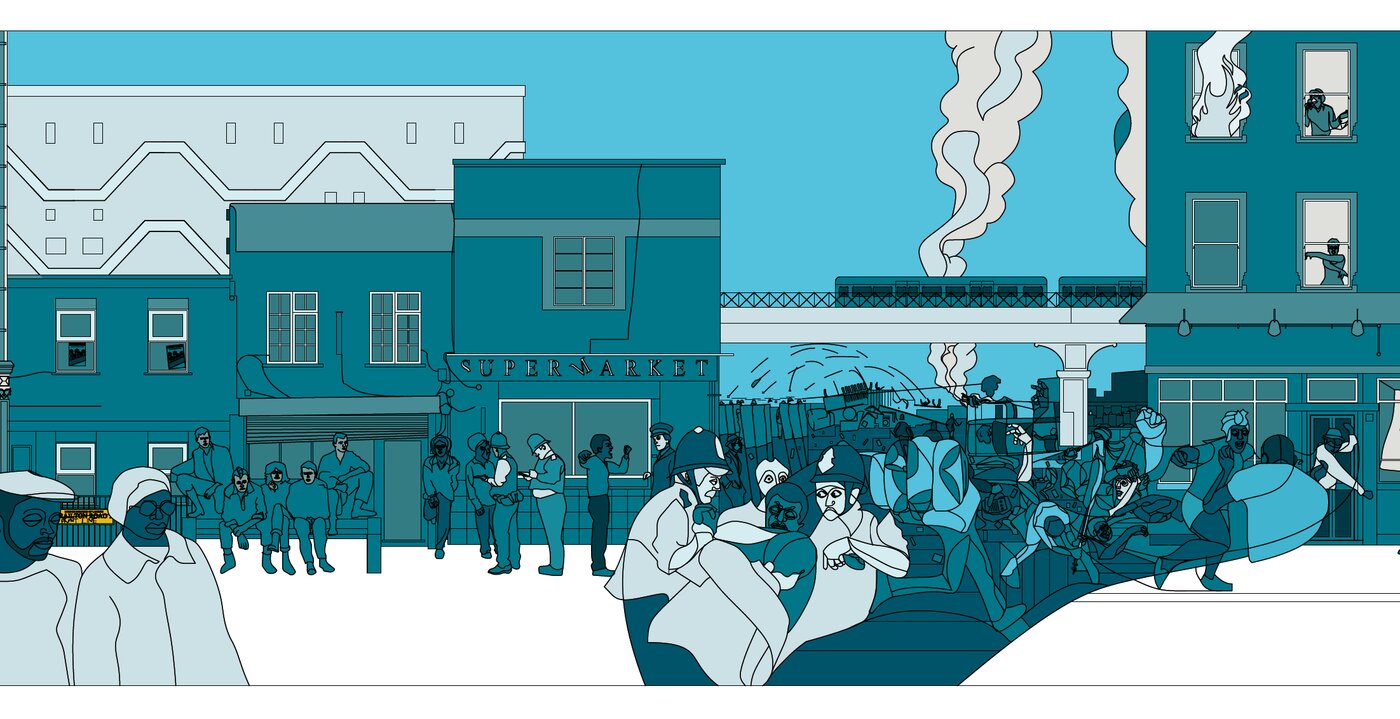
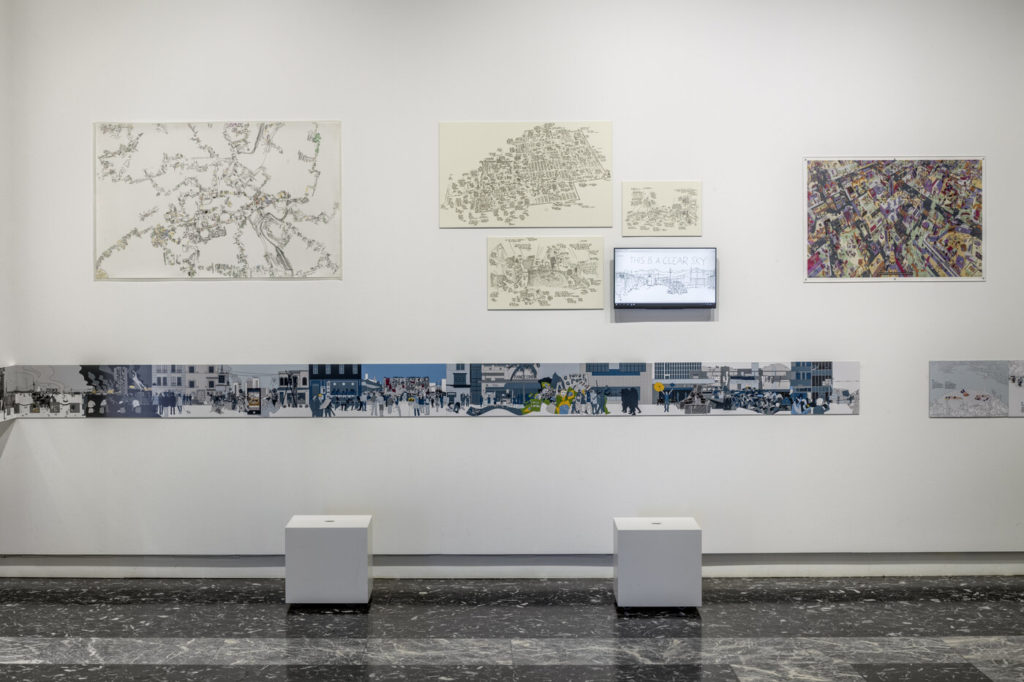
As the work of Crimson Historians and Urbanists shows, limiting roads to discussions of mobility would be negligent. After all, street spaces also act primarily as spaces of protest. The street, closed off and swept empty of traffic, becomes a stage for expressions of discontentment and dissatisfaction with state systems or political decisions. Crimson’s work speaks of these struggles as well as of the dynamics and forces that are revealed here. The future of protest movements, they argue, is closely linked to the street as a place of assembly accessible to all. But this understanding is not a given everywhere. What happens, for example, if surveillance gets out of hand? Or, Crimson asks, will this be the very thing that triggers new protests?
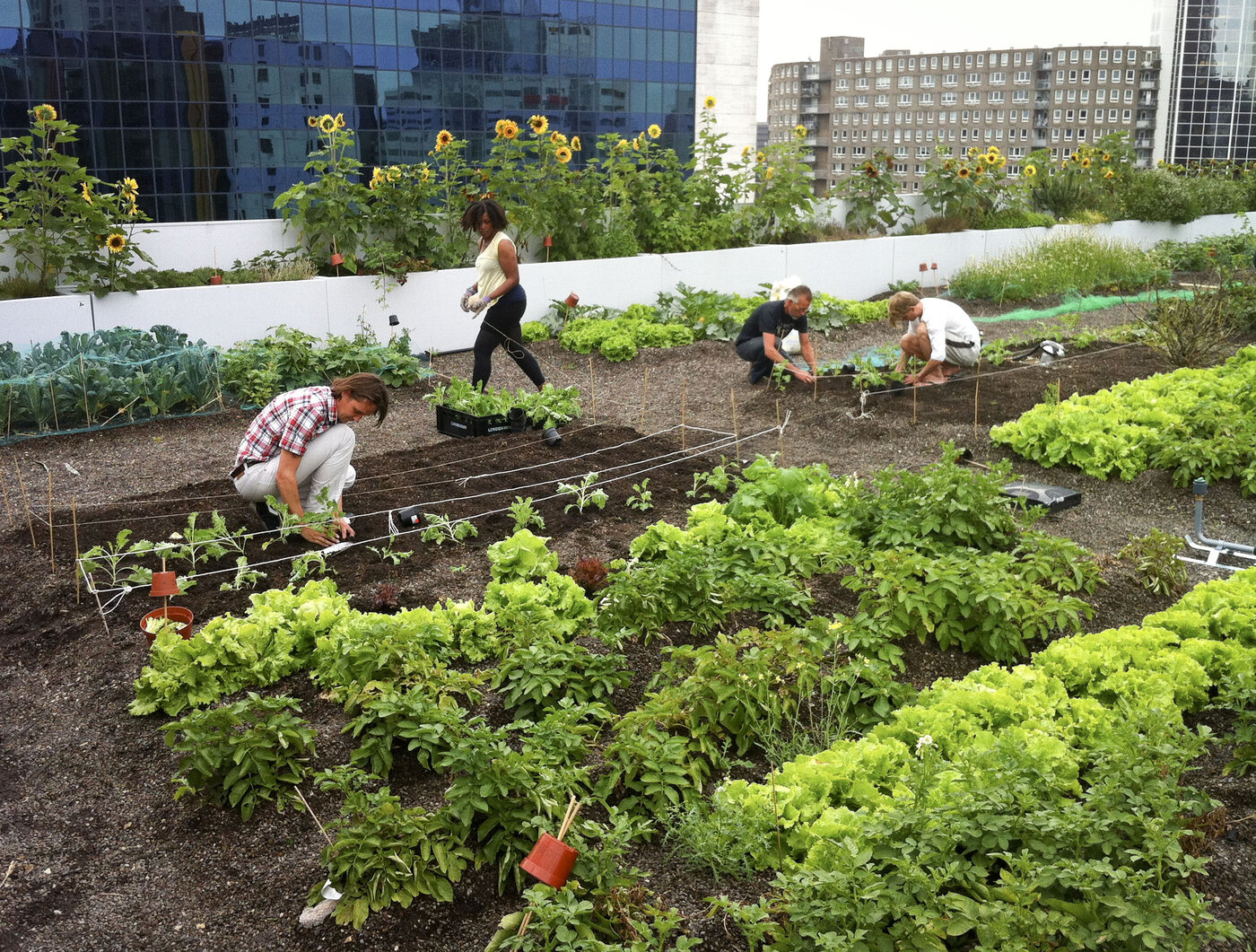
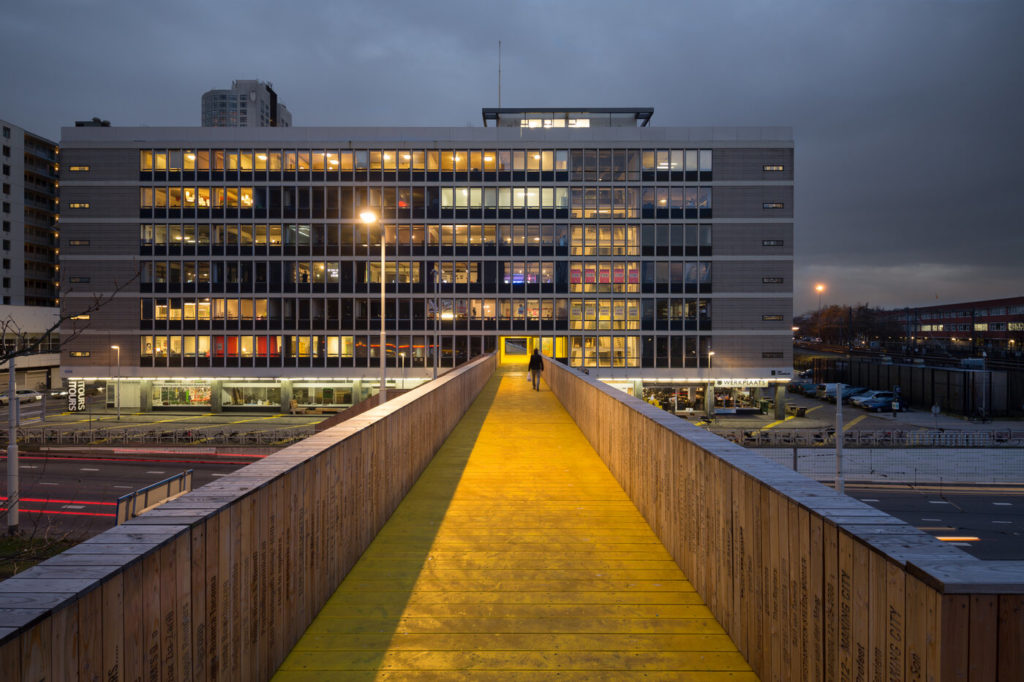
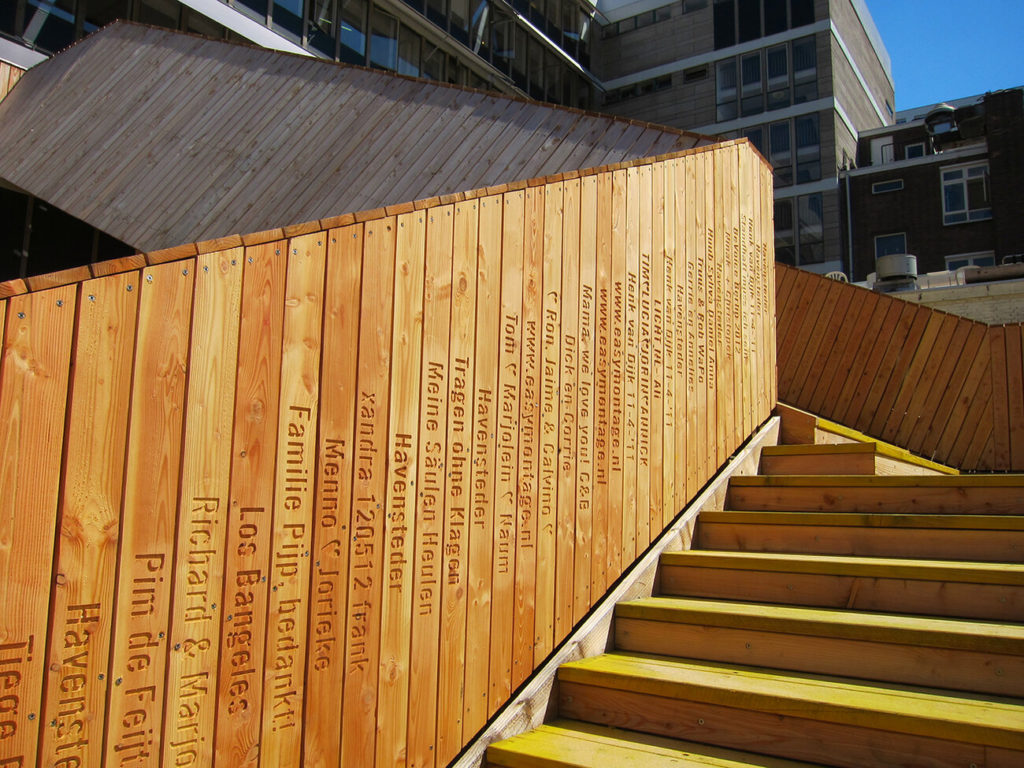
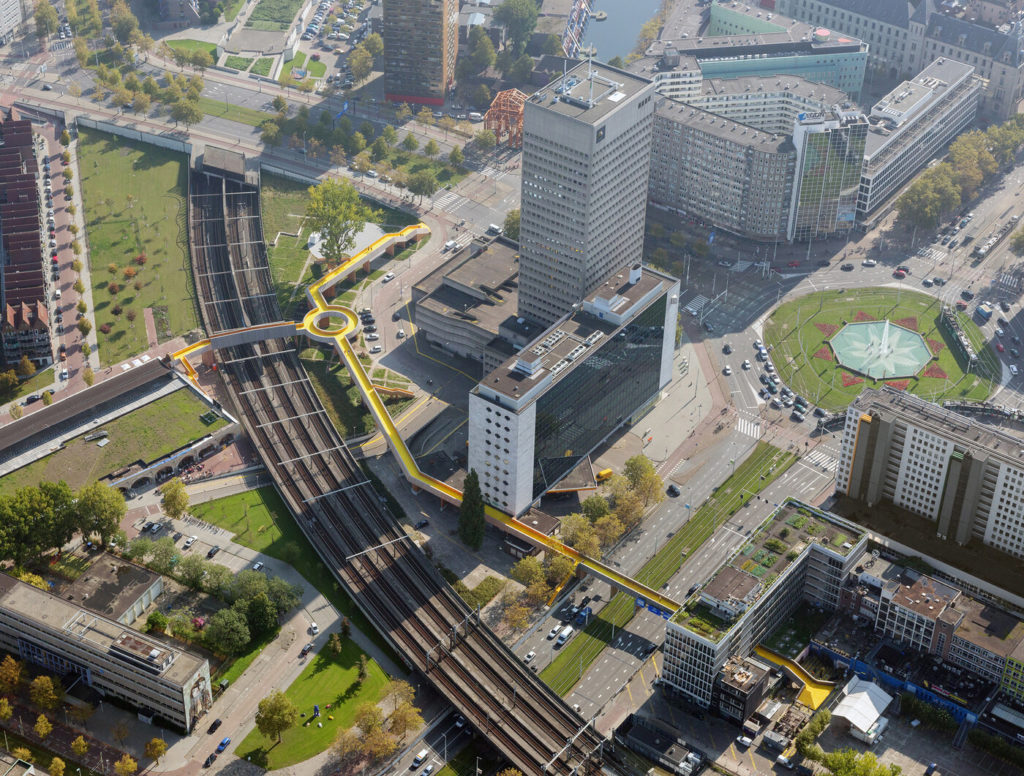
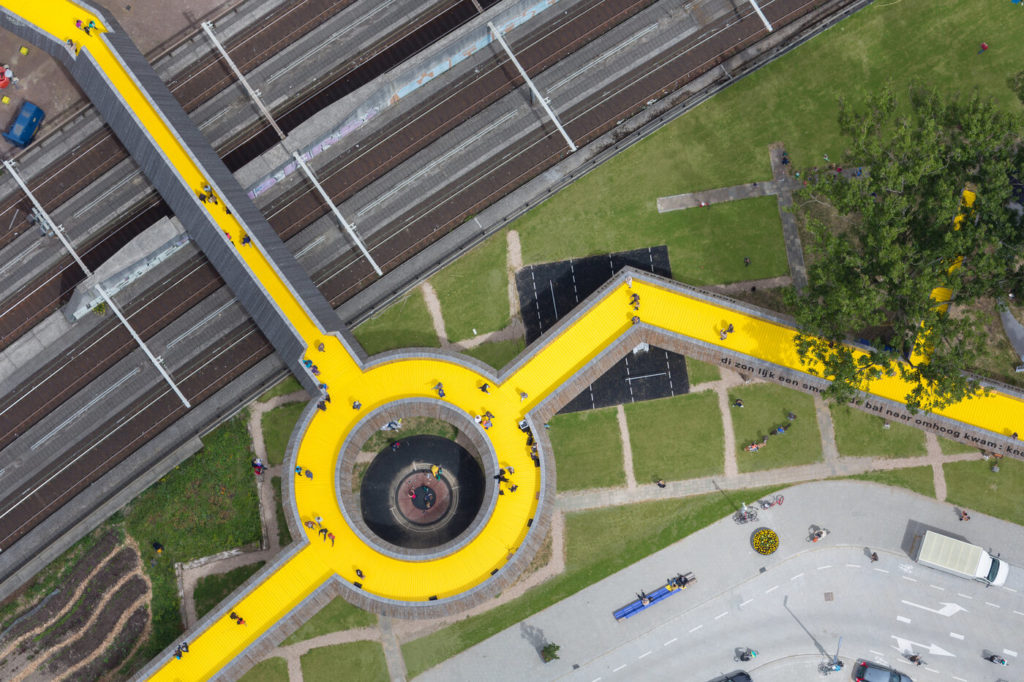
Twenty years ago, the architecture office ZUS moved into an anonymous Schieblock in Rotterdam as an anti-squatter. At that time, however, the areas surrounding this block were cut up and separated by roads and railway lines. This is how the idea of a bridge was born. The hope: new impulses and uses for empty buildings and urban wastelands. Interestingly, the bridge brought people together even before it existed. Via an internet platform, people were able to purchase wooden planking for the future bridge, which was fully opened in 2015. Other aspects of the project were strongly supported by the municipality of Rotterdam: Work and office space, restaurants, cafés, and green spaces. Since then, there has been a lot of talk about the quarter’s new vitality but also about the consequences of upgrading and exclusivity.
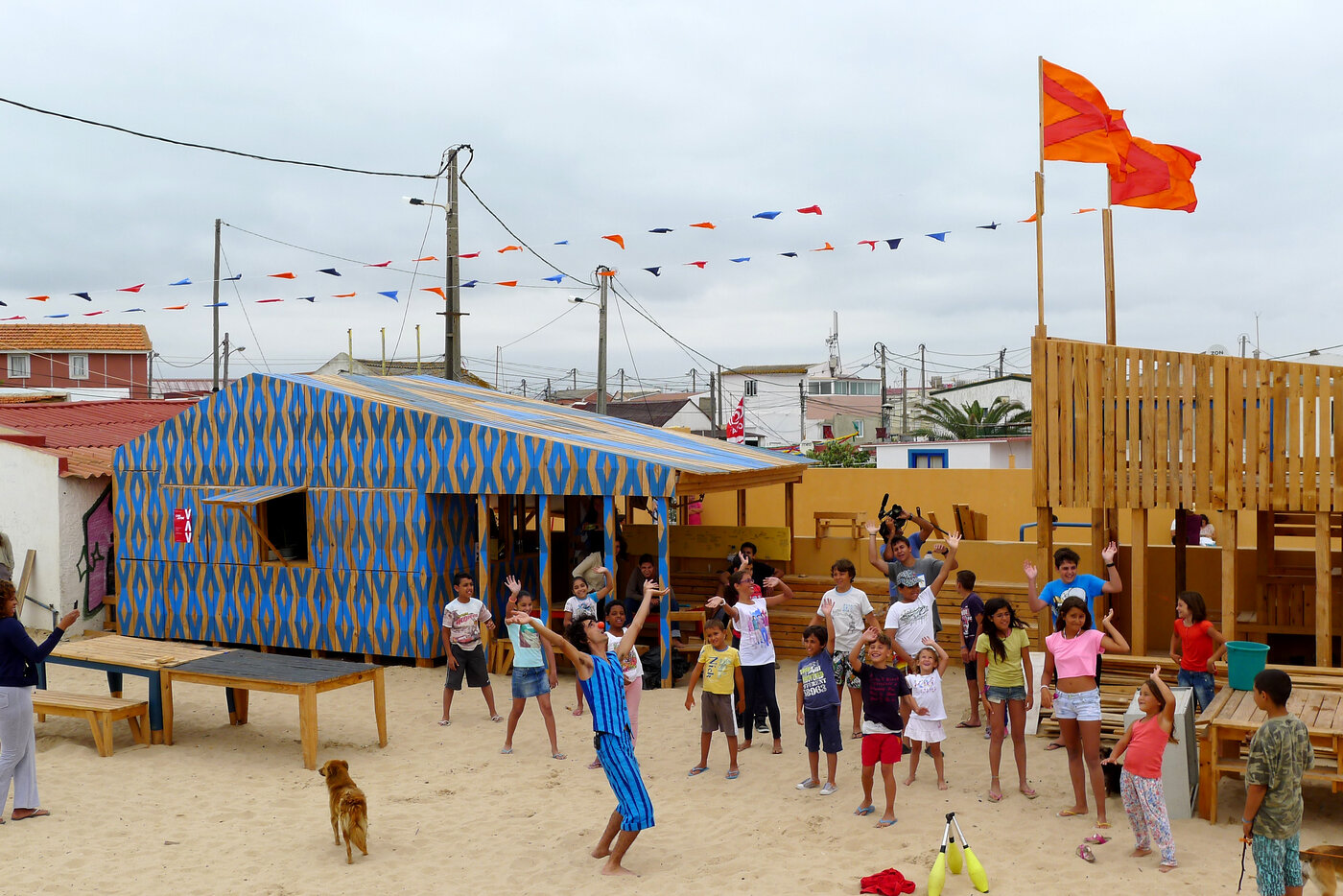
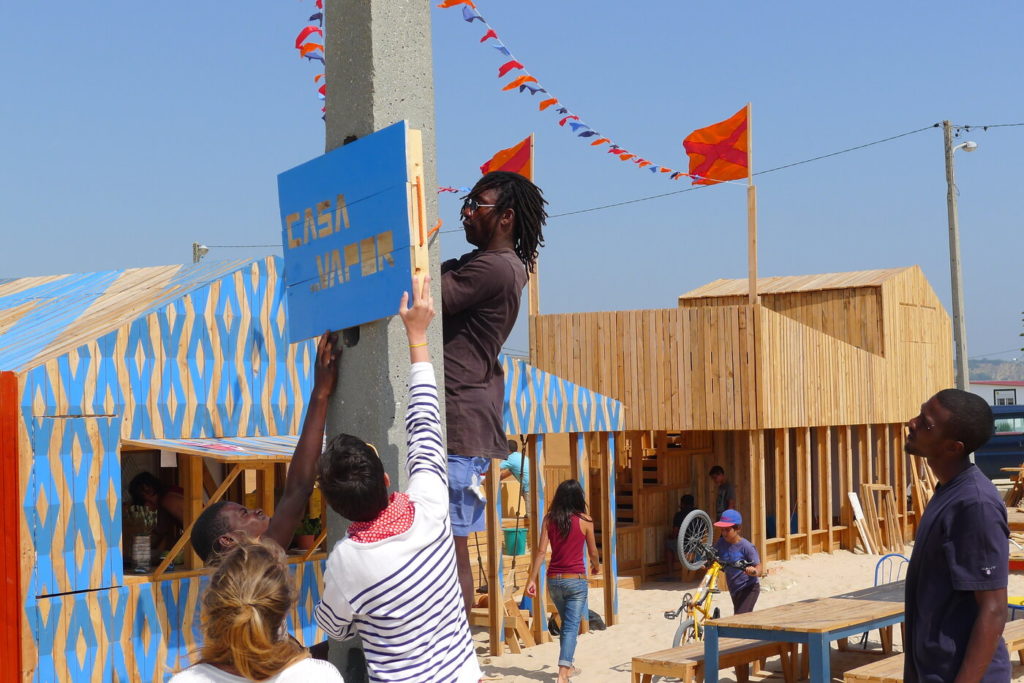
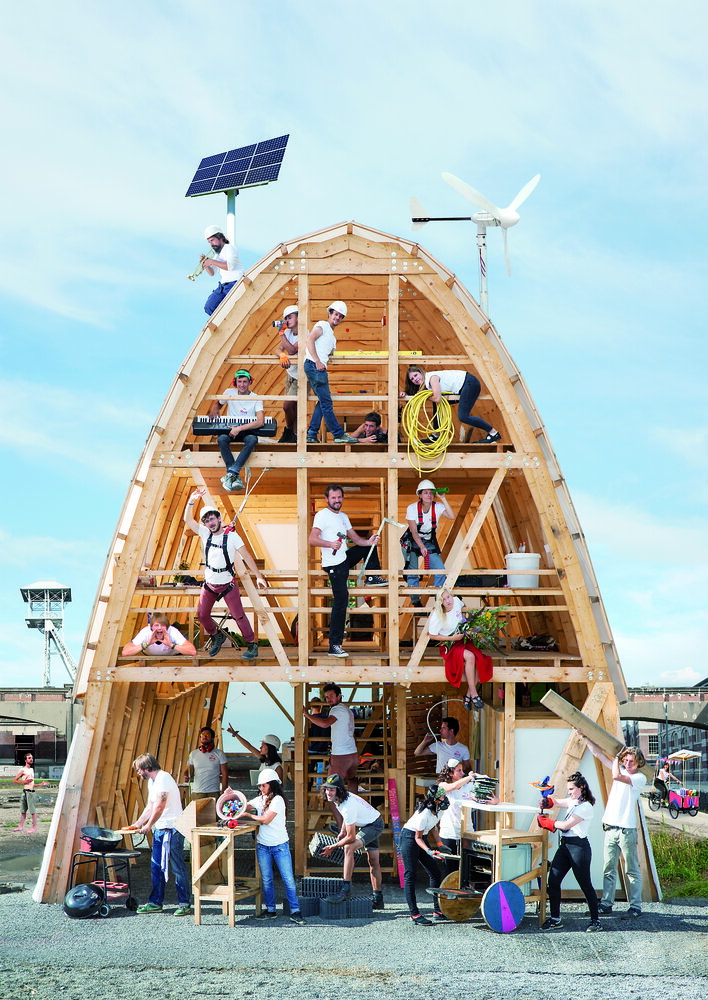
The works of constructLab unfold in the cosmos between imagination and life. But the focus of the collective’s work is not on creating fixed and unalterable facts. Instead, they actively seek ways to give form to the desires and hopes expressed in appropriations. The Baukiosk takes on the role of a symbol in this context. As a complex structure, it embodies a particular form of city-making that combines—or deliberately collides—differing interests with different opportunities. Thus, the kiosk is a meeting place as well as a collection point. Analog billboard and digital display. Information system and resting point. It is always many things and everything at once.
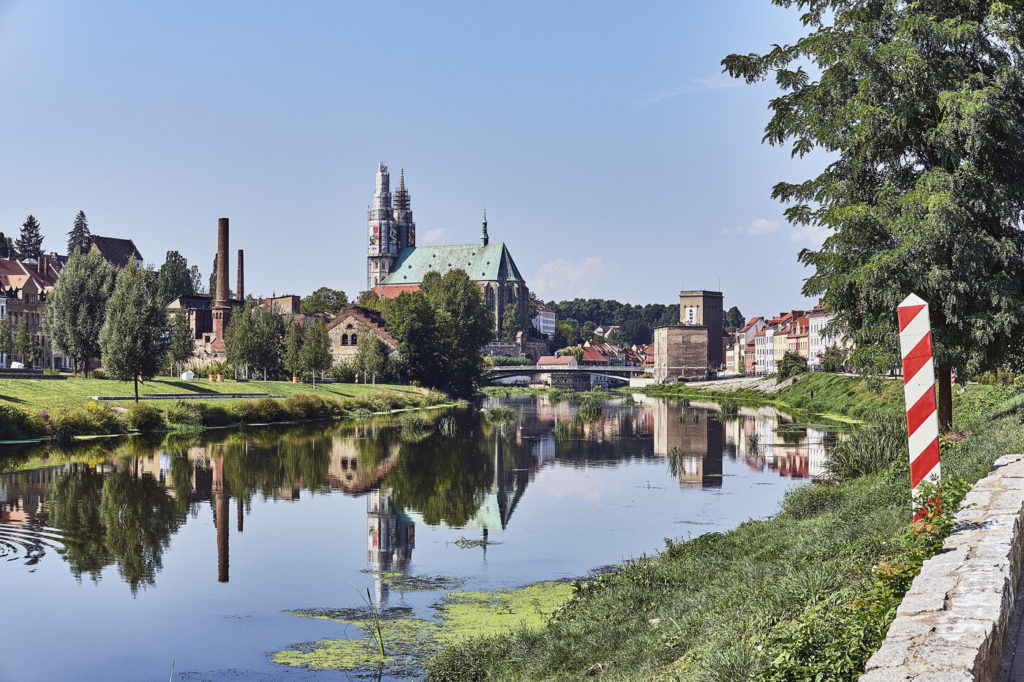
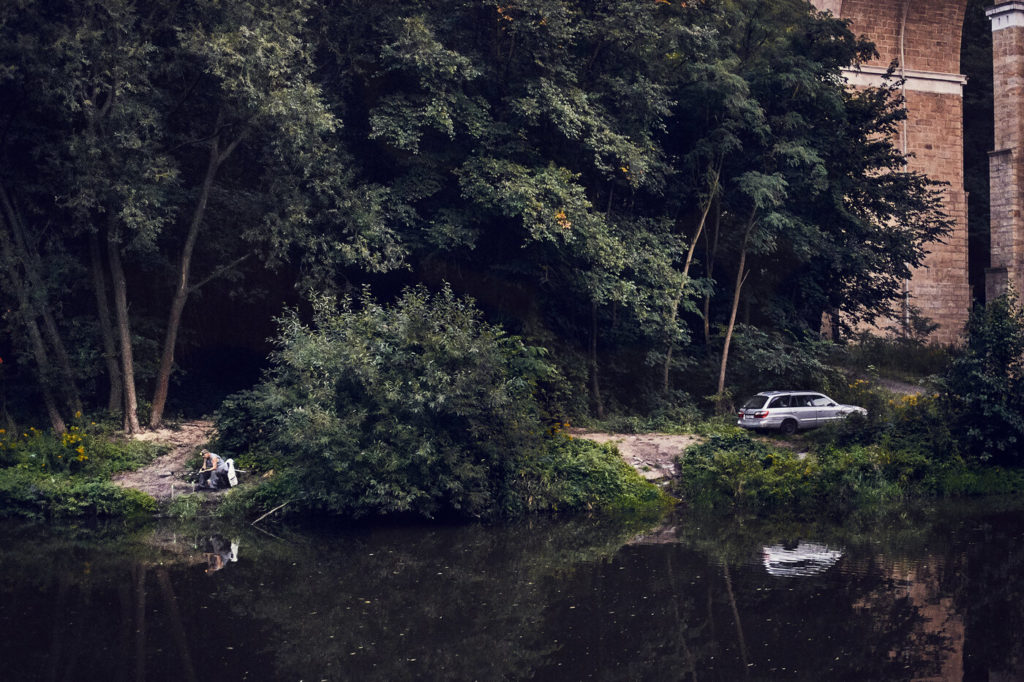
Due to out-migration, the city of Görlitz has shrunk by a quarter of its population since the 1990s. In 2008, a research group of the TU Dresden and the Görlitz city administration dared an experiment to attract new people to the city. Temporary living in Görlitz should reveal the qualities and potential of this place. Probewohnen, Stadt Erleben, and Stadt auf Probe, and now the fourth edition of the project is underway. Those interested can try out living in the city and get to know the networks in the cultural and youth sectors. They can use shared workspaces as well as workshops and thus directly explore new social and professional perspectives.
Leibniz-Institute of Ecological Urban and Regional Development (I.R) represented through the Interdisciplinary Centre for Ecological and Revitalising Urban Transformation (ISZ); OfWice for Urban Development of the City of Görlitz; KommWohnen Service GmbH, municipal housing company; KoLABORacja e.V., Kühlhaus e.V., Wildwuchs e.V., Federal Ministry of the Interior, Building and Community, co-funding
/* Custom Archives Functions Go Below this line */
/* Custom Archives Functions Go Above this line */
This Is Our House!
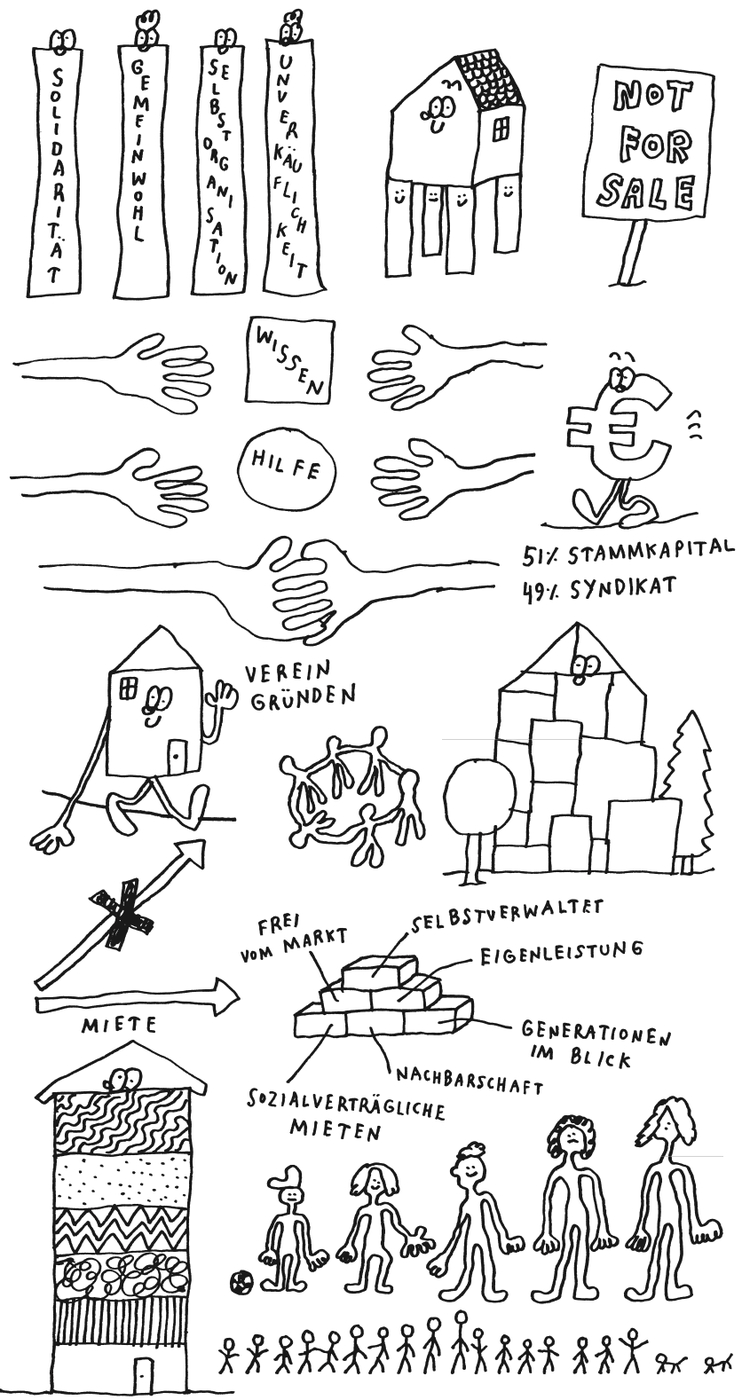
Housing, just like land, must not be a commodity—this is the goal of the Mietshäuser Syndikat in a nutshell. Since its official foundation in Freiburg in 1993, it has developed and promoted self-organized housing projects. The unique feature of the syndicate is that land and buildings are permanently decommodified. This means that the organization, together with the tenants of a house, buys the property and the land, thus dissolving traditional ownership structures or other dependencies. By withdrawing buildings and the land they stand on from the real estate market, the syndicate positions itself explicitly against speculation and profit. Today, around 160 projects in Germany, the Netherlands, and Austria exist under the syndicate’s umbrella, making long-term affordable residential, working, and living spaces a reality.
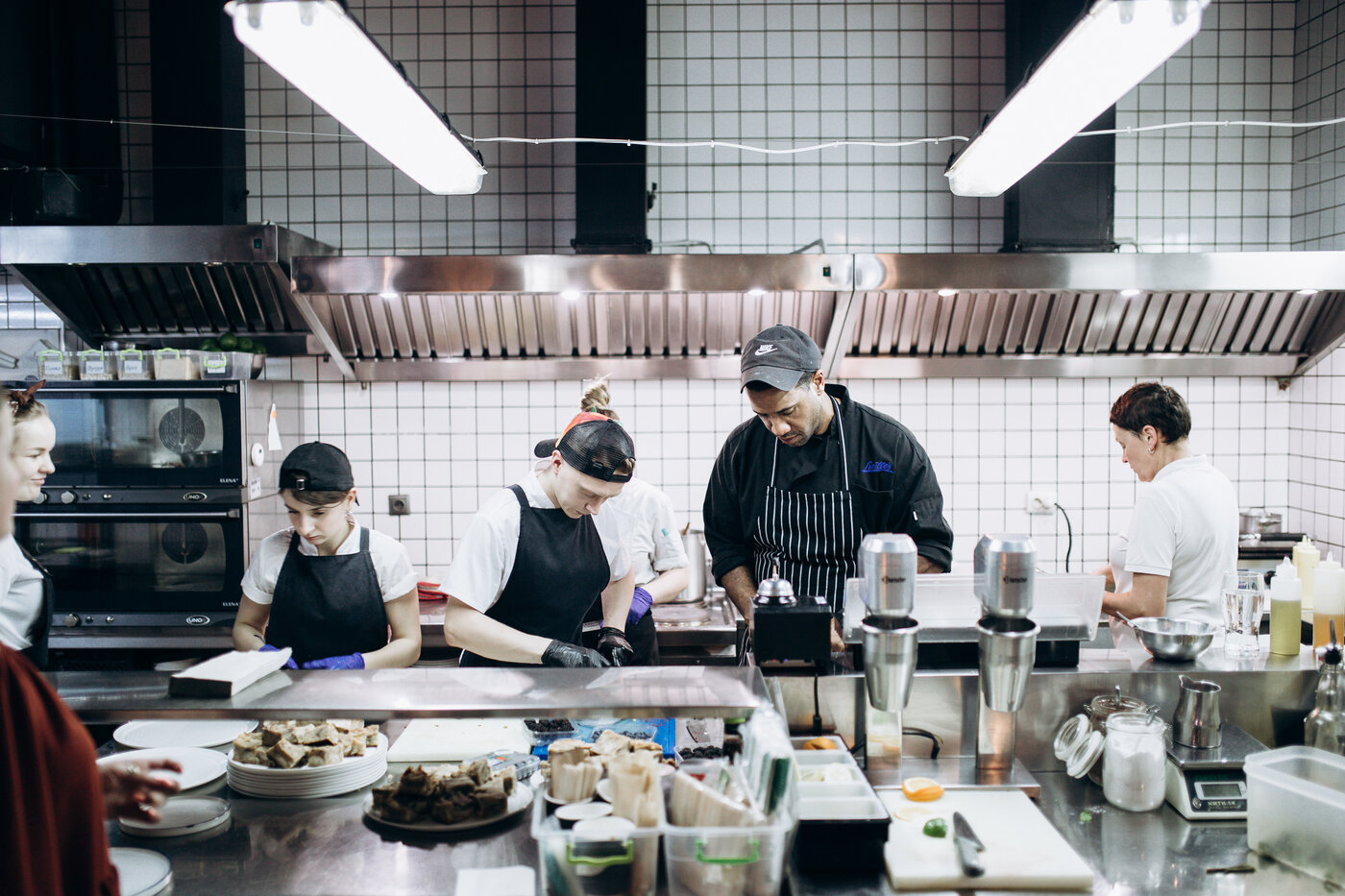
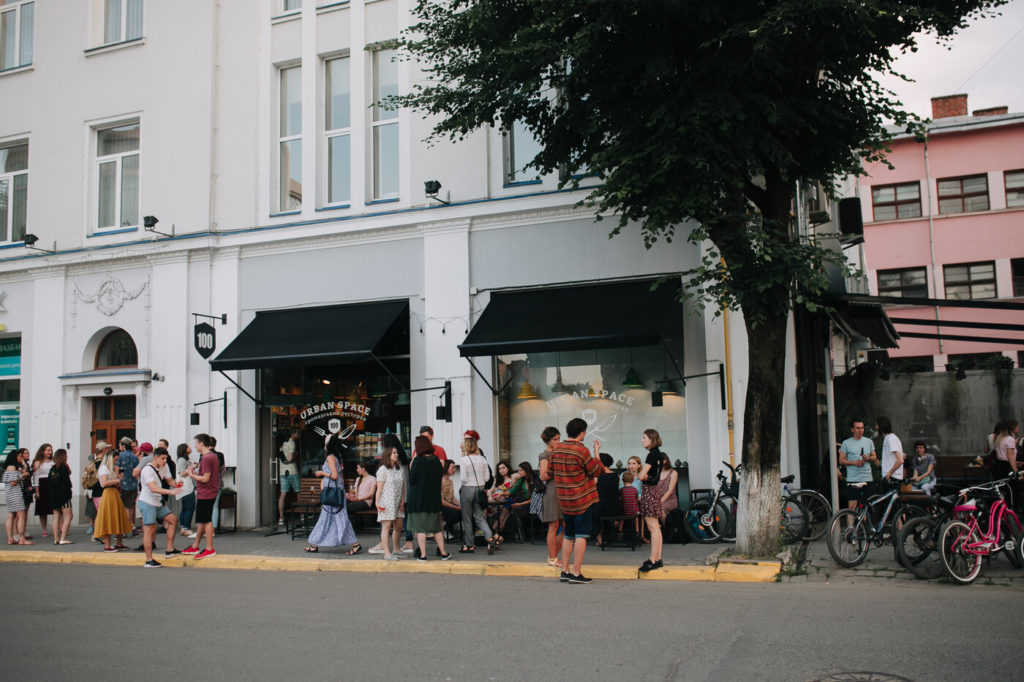
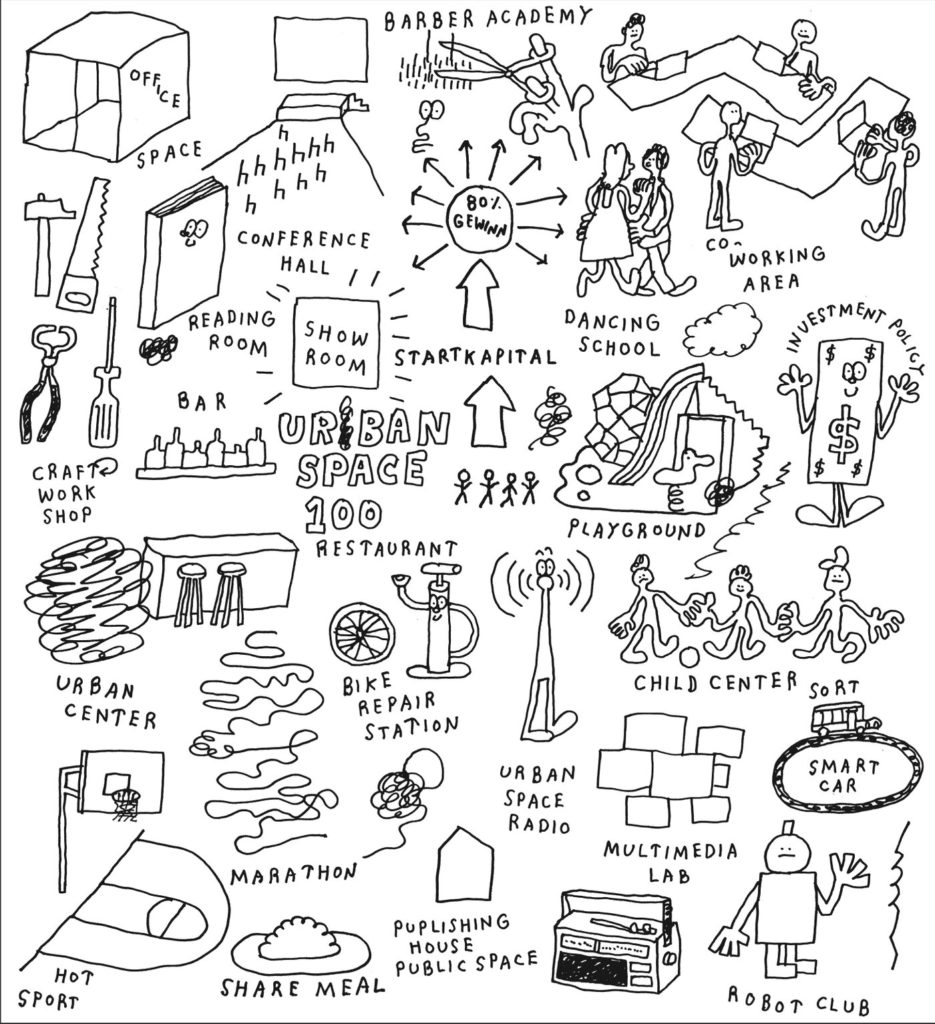
When Yuriy Fylyuk and his friends moved from Kyiv to Ivano-Frankivsk in the summer of 2008, they found a place with scarcities of all sorts. Out of this, Teple Misto or Warm City emerged—a network that today includes around sixty local companies. A restaurant became one of the platforms for the group’s activities and serves as a place for meeting as well as exchange. One hundred people participate as co-financiers in the Urban Space 100 project. Since 2015, parts of the restaurant’s profits have gone into a pot that finances and supports initiatives, small and larger projects. The money collected in this way has already been used to restore historic building entrances, procure computers for medical facilities, and organize sporting events and festivals.