Who Builds Our Cities?

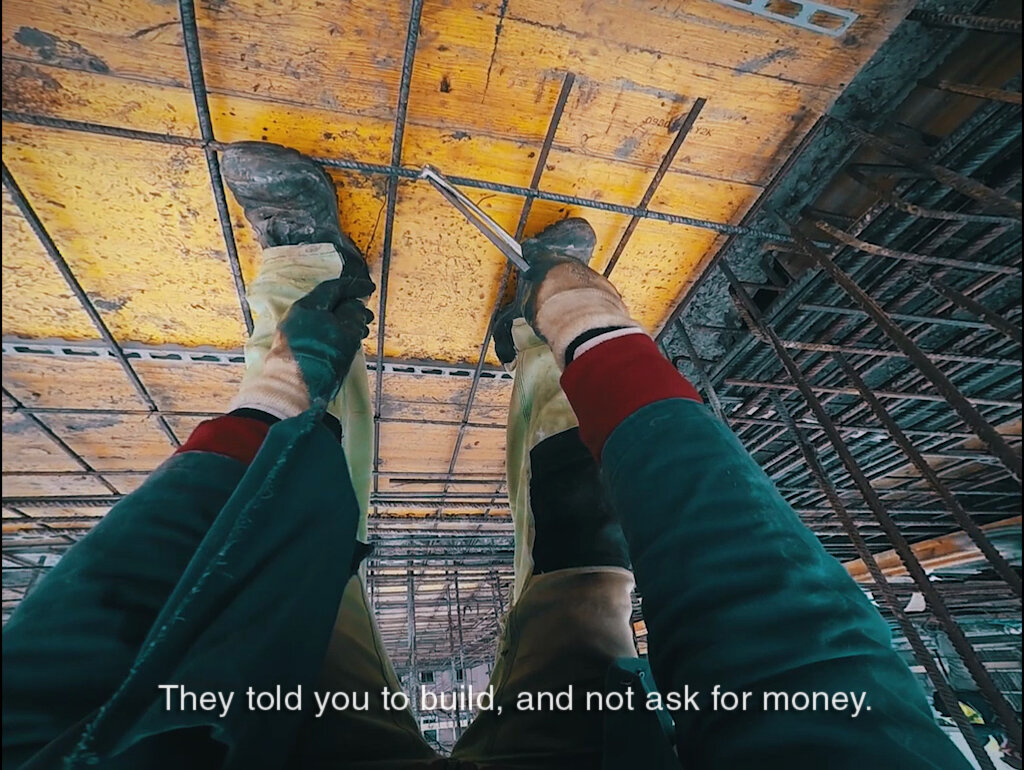
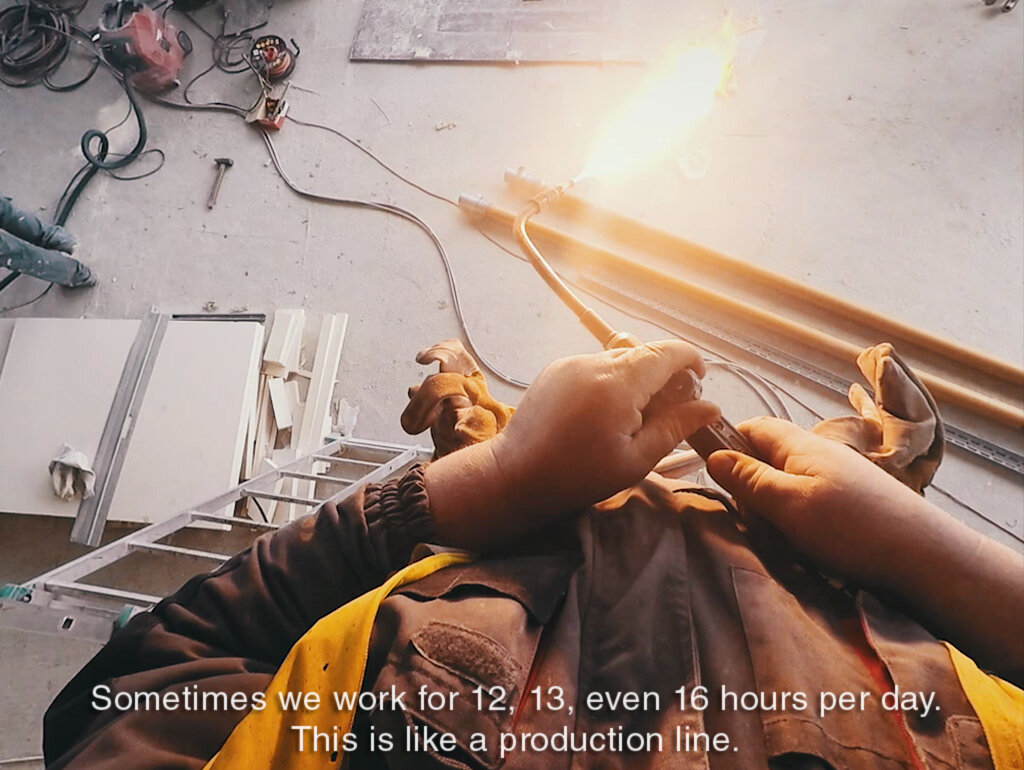
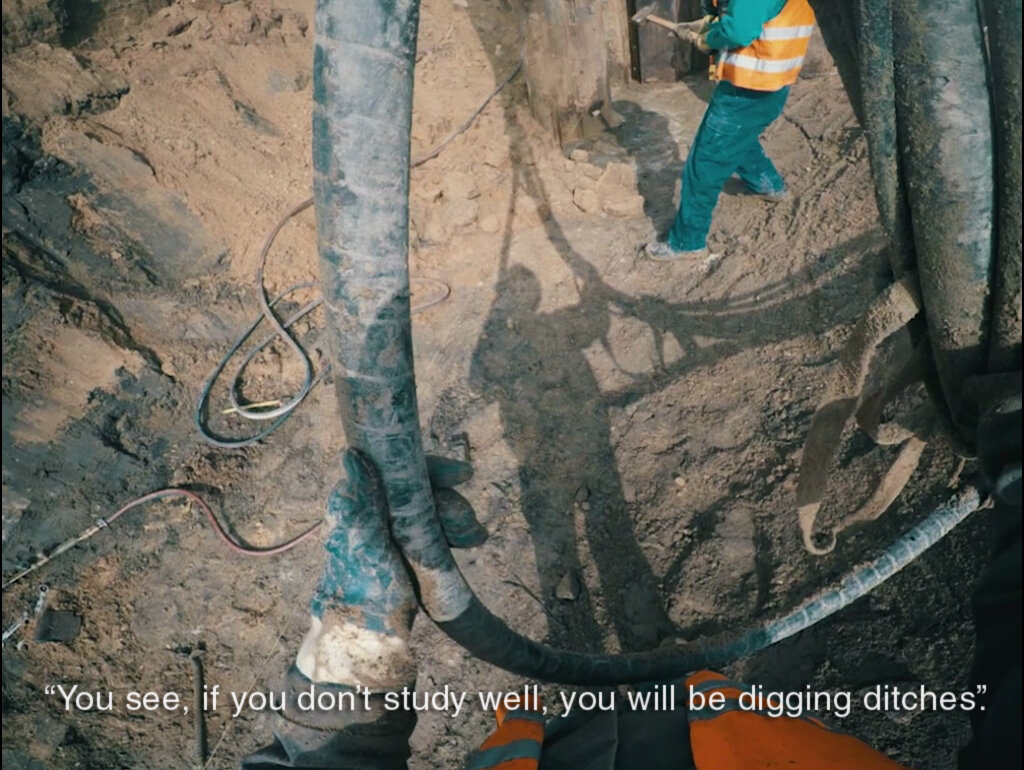
The work­ing con­di­tions of con­struc­tion work­ers are poten­tial­ly life-threat­en­ing when han­dling heavy machin­ery at dizzy­ing heights. Their work­ing days are long; their employ­ment con­tracts, if any, are often inad­e­quate. But the per­son­al sto­ries depict­ed in the films of Mar­ty­na Jan­ic­ka and Michal Gdak do not pil­lo­ry the employ­ers. Instead, they ask, as Jan­ic­ka says, whether fair trade is even fea­si­ble in this field—and if so, what exact­ly could be. 5‑channel film instal­la­tion, Sand (3.11 min), Con­crete (6.03 min), Plas­ters, (3.33 min), Height (3.24 min), Love (2.16 min), 2016 © Fair Building

The Fair Build­ing project is about pre­cise­ly those who are often for­got­ten when archi­tects or pub­lic fig­ures talk about spec­tac­u­lar new con­struc­tions or large-scale urban plan­ning. In con­trast to the film indus­try, where every role, no mat­ter how small, is list­ed in the cred­it roll, archi­tec­ture tends to keep a low pro­file when it comes to the work and the work­ers whose labor allows for build­ings to emerge: work­ers who are employed in pre­car­i­ous con­di­tions, work­ers who tem­porar­i­ly live far from home in inhos­pitable places, work­ers who ply their trade on unse­cured build­ing sites, and work­ers who toil away for days and weeks that are too long. These are the peo­ple who play the lead here.


Project

Fair Build­ing


Actors

Domini­ka Jan­ic­ka, cura­tor; Mar­ty­na Jan­ic­ka, Michal‚ Gdak, con­trib­u­tors; Han­na Wrob­lews­ka, com­mis­sion; Zacheta — Nation­al Gallery of Art, organizationion


Year

2016


Loca­tion

Poland

5‑channel film instal­la­tion, Sand (3.11 min), Con­crete (6.03 min), Plas­ters, (3.33 min), Height (3.24 min), Love (2.16 min), 2016 © Fair Building

/* Custom Archives Functions Go Below this line */ /* Custom Archives Functions Go Above this line */

Architecture’s Second Life

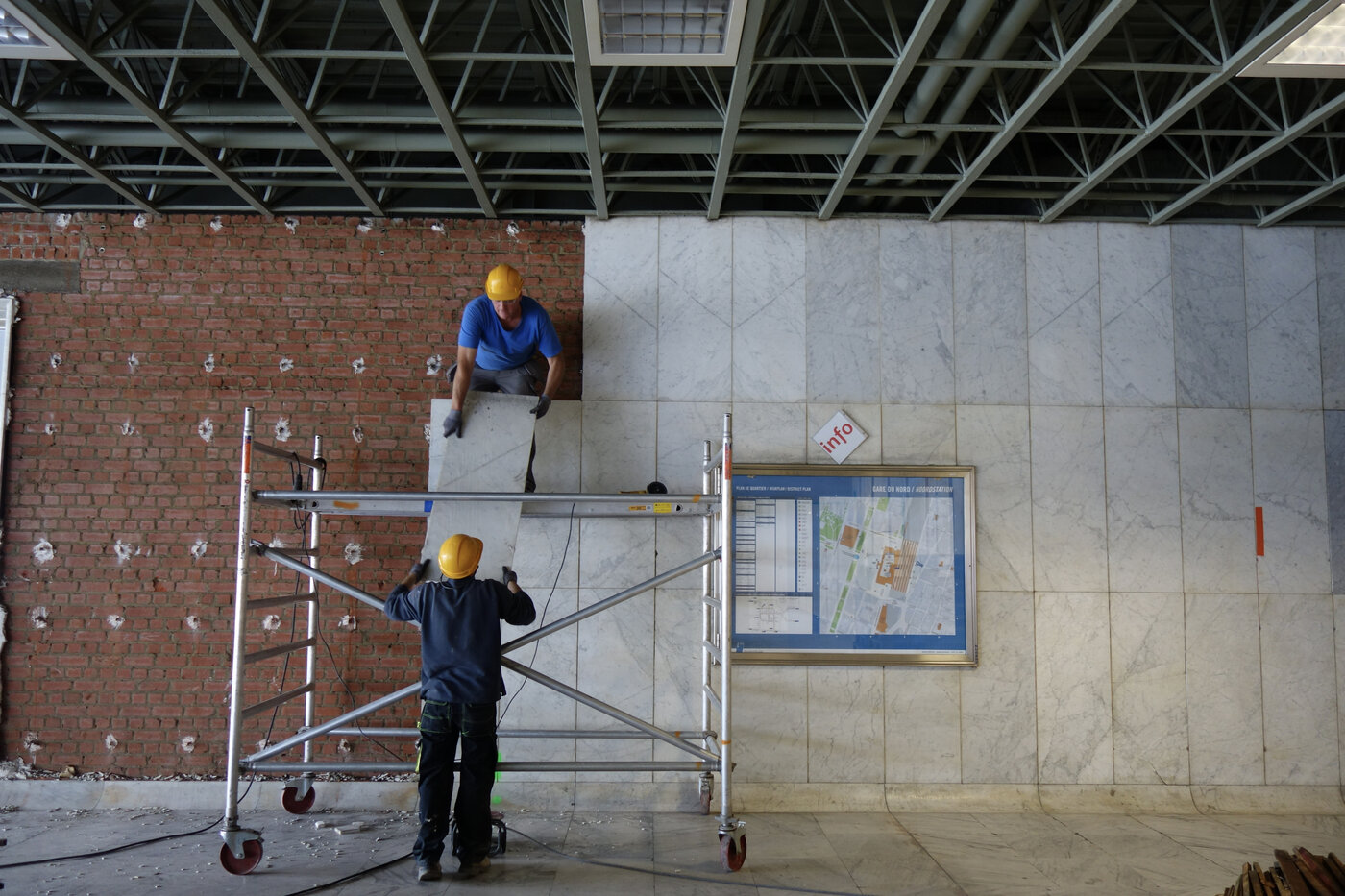
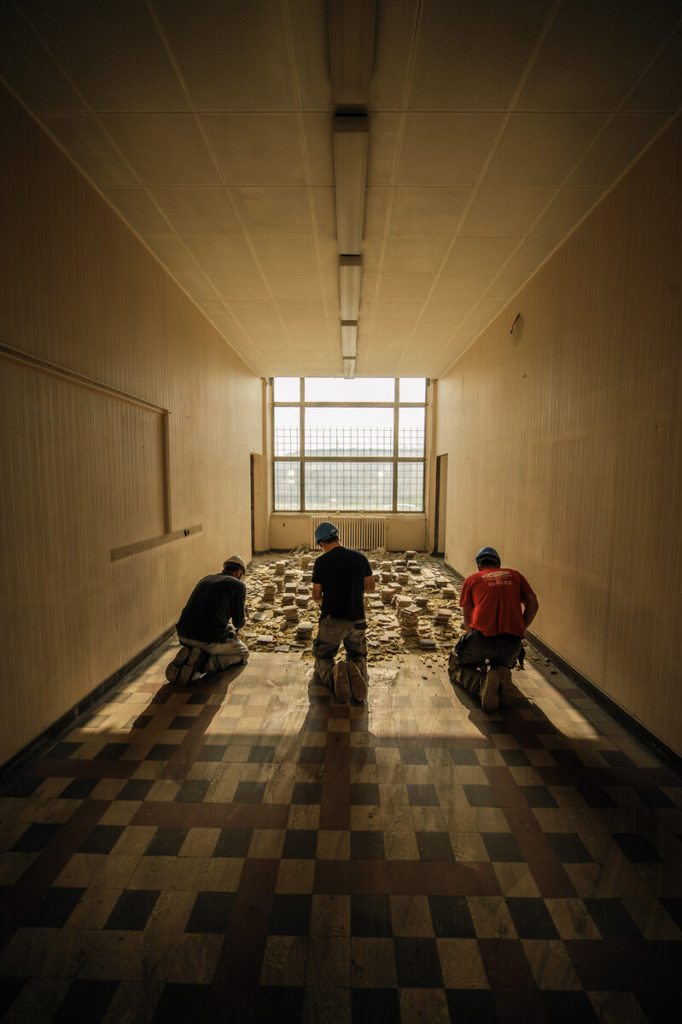
Care­ful removal of a wall cladding made of Car­rara mar­ble pan­els at the Nord­bahn­hof sta­tion in Brus­sels. © Rotor

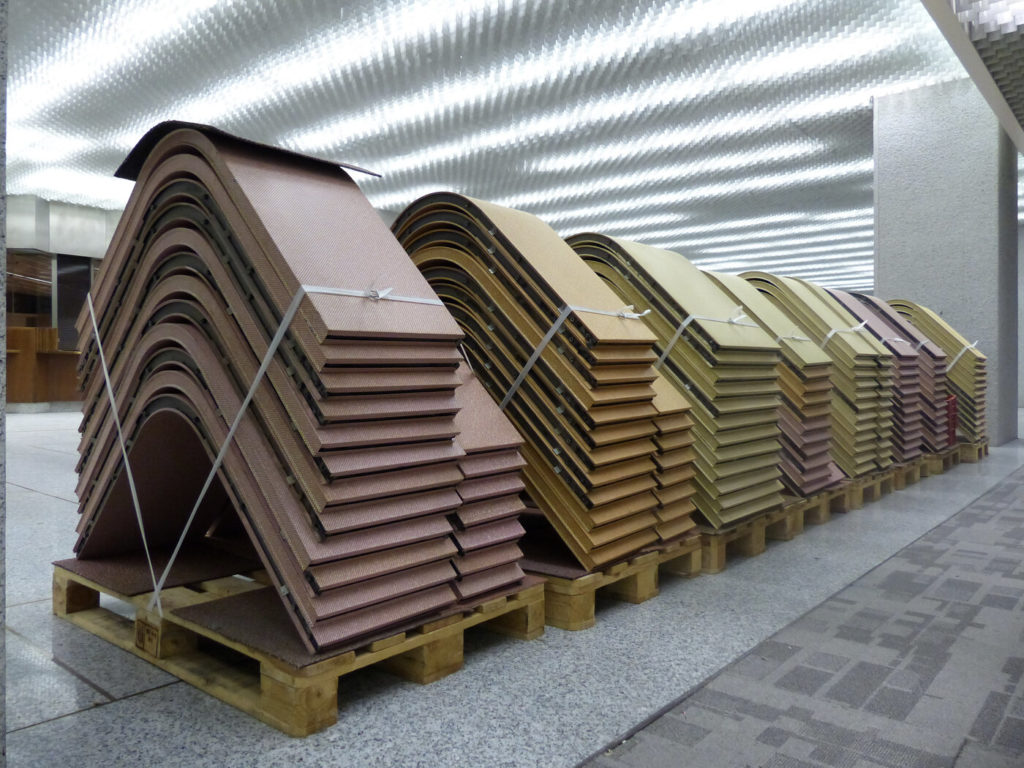
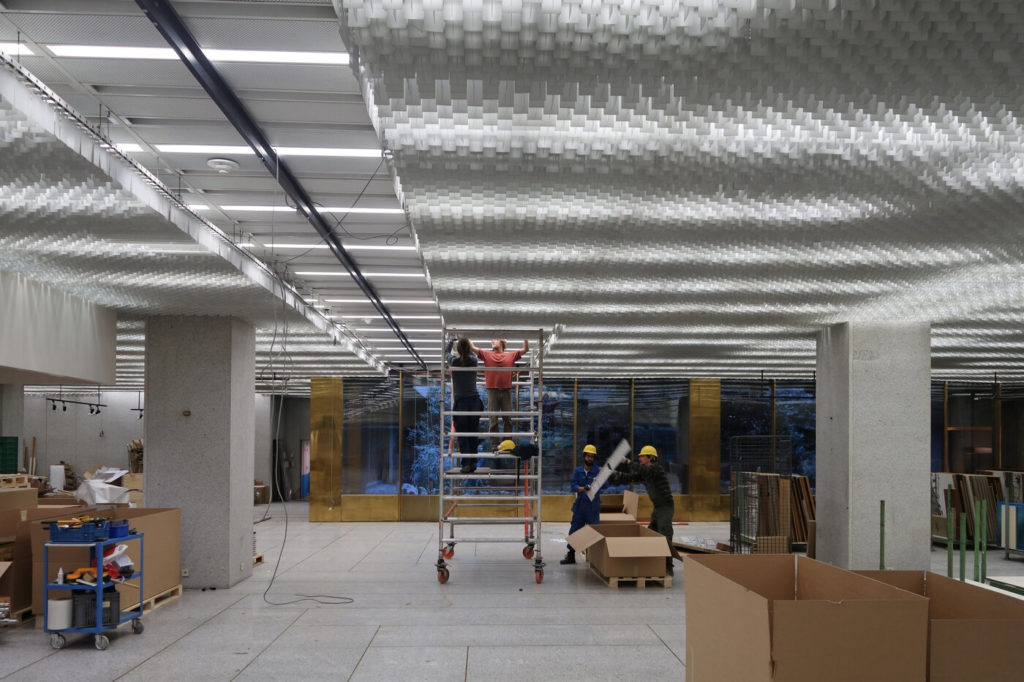
The work of Rotor and Rotor Decon­struc­tion (RotorDC) is not con­cerned with the con­struc­tion of build­ings or cities as we know them. Instead, the office devel­ops strate­gies for the care­ful decon­struc­tion of hous­es slat­ed for demo­li­tion. Mate­ri­als recov­ered through these process­es of dis­man­tling are re-claimed and offered for sale on a web­site. The spec­trum is broad and ranges from cab­i­net han­dles to oak par­quet, from lamps to porce­lain wash­basins, from glass blocks to floor tiles. Rotor’s gen­er­al aim is to raise aware­ness of exist­ing assets and cre­ate a legal frame­work for reuse. Many local author­i­ties now use the collective’s hand­book when con­sid­er­ing new lives for exist­ing pub­lic buildings.


Project

Rotor / RotorDC (Rotor Deconstruction)


Actors

Rotor, archi­tects, lawyers, researchers, con­sul­tants, educators


Year

Since 2016


Loca­tions

Var­i­ous

Assort­ed acoustic pan­els from the Générale de Banque build­ing in Brus­sels. © Rotor
Work­ers dis­as­sem­ble a ceil­ing cov­er­ing. © Rotor
Inside the Insti­tut de Génie Civ­il in Liège, Bel­gium. How can build­ings be designed, asks Lionel Devlieger of Rotor, so that their com­po­nents become avail­able and as use­ful as pos­si­ble for a sec­ond or even third life? © Olivi­er Béart

/* Custom Archives Functions Go Below this line */ /* Custom Archives Functions Go Above this line */

A Quarter Taking Matters Into Its Own Hands

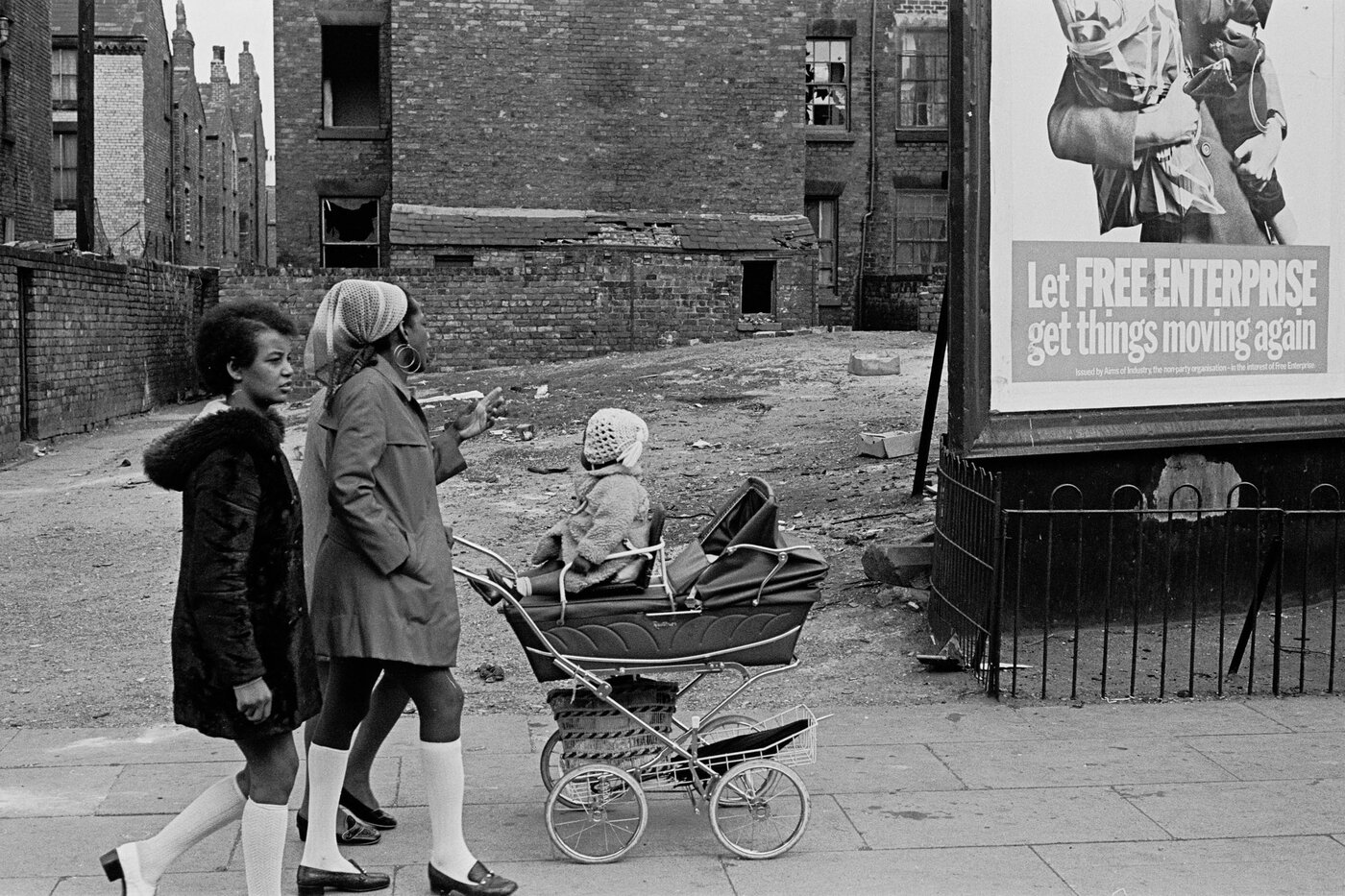
From 1969 to 1971 the pho­tog­ra­ph­er Nick Hedges doc­u­ment­ed life in Liv­er­pool. Nick was com­mis­sioned by the char­i­ty Shel­ter to trav­el through Eng­land and Scot­land and por­tray the lives of fam­i­lies liv­ing in slums and mis­ery. Here you can see young res­i­dents of Liv­er­pool walk­ing past an elec­tion poster in Gran­by Street. © Nick Hedges

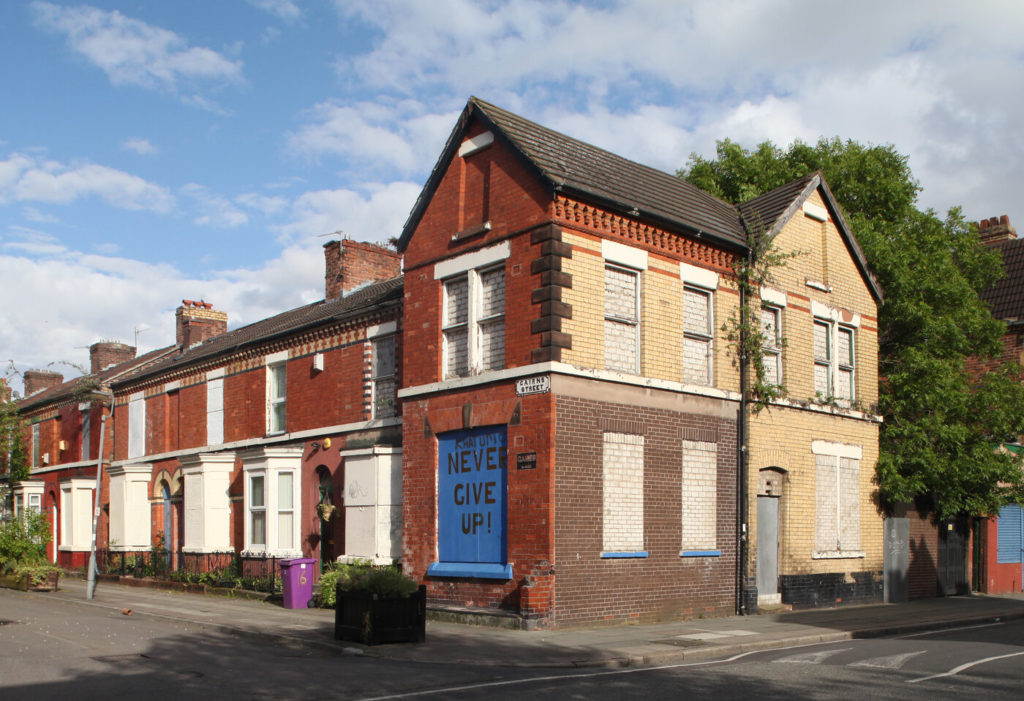
In the 1980s, Tox­teth is the set­ting for vio­lent class strug­gles. Peo­ple move to oth­er parts of Liv­er­pool; many of the Vic­to­ri­an row hous­es fall into dis­re­pair. As a result, a group becomes active in the neigh­bor­hood. They clean up, plant flower beds, paint win­dows, and estab­lish a mar­ket. A Com­mu­ni­ty Land Trust is set up. The aim: to cre­ate afford­able hous­ing that is owned by the peo­ple from the neigh­bor­hood. The group con­vinces the munic­i­pal­i­ty not to demol­ish the hous­es. Lat­er, the archi­tec­ture col­lec­tive Assem­ble comes on board and devel­ops a plan for the area. Although the work is still unfin­ished and many hous­es are still in need of fur­ther atten­tion, the people’s goal of tak­ing the future of their area into their own hands has been achieved for the time being.


Project

Gran­by Four Streets Redevelopment


Actors

Gran­by Four Streets CLT; Steve Biko Hous­ing Asso­ci­a­tion, sup­port­ing body; Ann O’Byrne, sup­port­er, for­mer Liv­er­pool City Coun­cil Deputy May­or and Cab­i­net Mem­ber for Hous­ing; Assem­ble, archi­tec­ture office


Year

Since 2011


Loca­tion

Liv­er­pool, Great Britain 

Assem­ble worked with the Gran­by Four Streets Com­mu­ni­ty Land Trust (CLT) to ren­o­vate 10 ruinous town hous­es on Cairns St. in Tox­teth. © Lewis Jones
© Lewis Jones
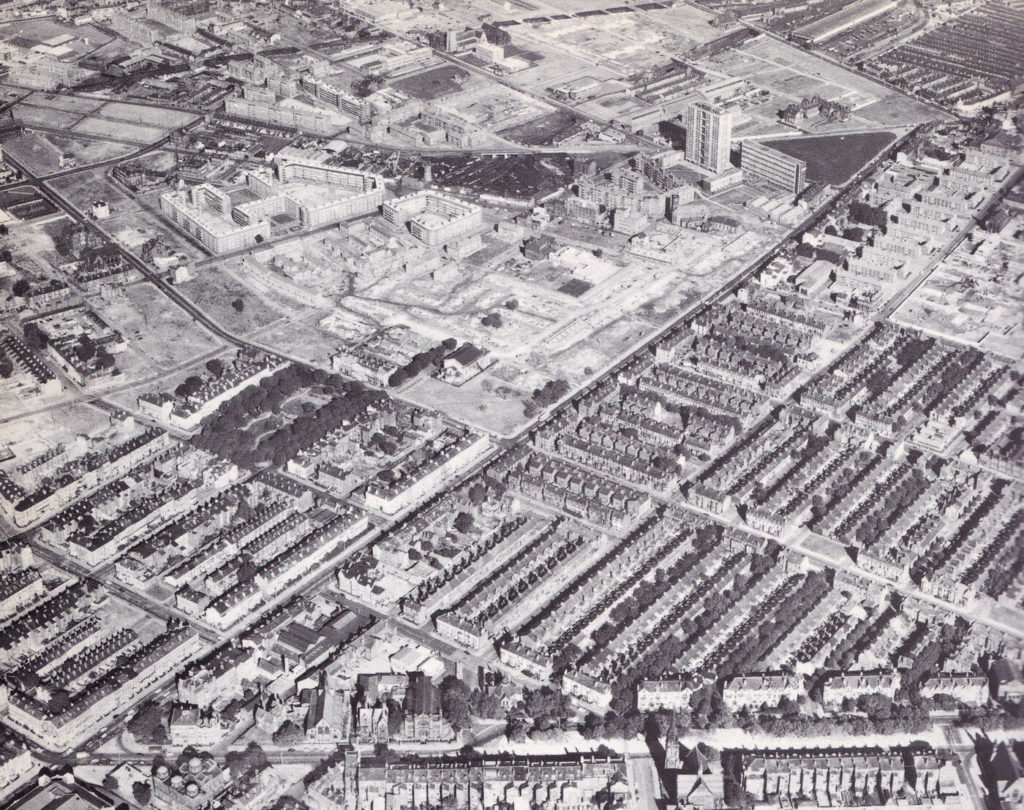
With the demo­li­tion of all but four of Granby’s streets, a once thriv­ing com­mu­ni­ty was dis­persed and the remain­ing Gran­by Four Streets were sparse­ly pop­u­lat­ed. Aer­i­al view of the demo­li­tion area of Gran­by Four Streets. Archive image © Assemble
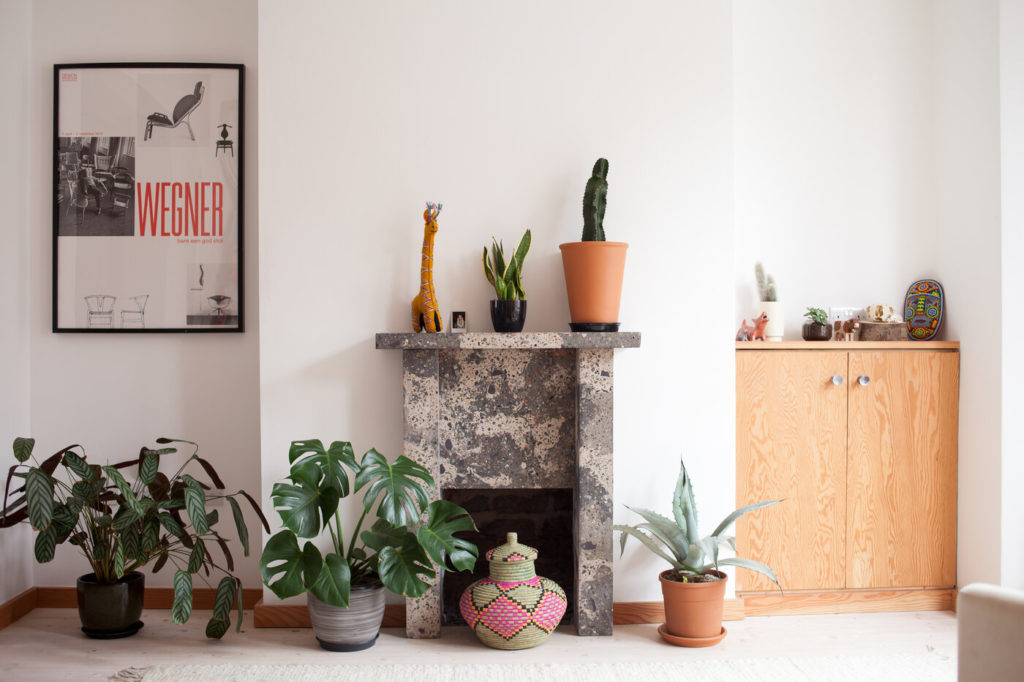
The first Gran­by Work­shop prod­uct line was designed for homes in need of ren­o­va­tion and includ­ed bath­room tiles, door han­dles and fire­places. On dis­play here is a col­lec­tion of hand­made ceram­ic bot­tles, cups and glass­es for every­day use, based on local mate­ri­als. The com­pa­ny con­tin­ues to have a strong com­mu­ni­ty focus—operating from its premis­es on Gran­by Street, par­tic­i­pat­ing in the month­ly com­mu­ni­ty mar­ket and con­tin­u­ing to con­tribute to the ongo­ing local ren­o­va­tions. © Lewis Jones

/* Custom Archives Functions Go Below this line */ /* Custom Archives Functions Go Above this line */

Like a Fox in the City

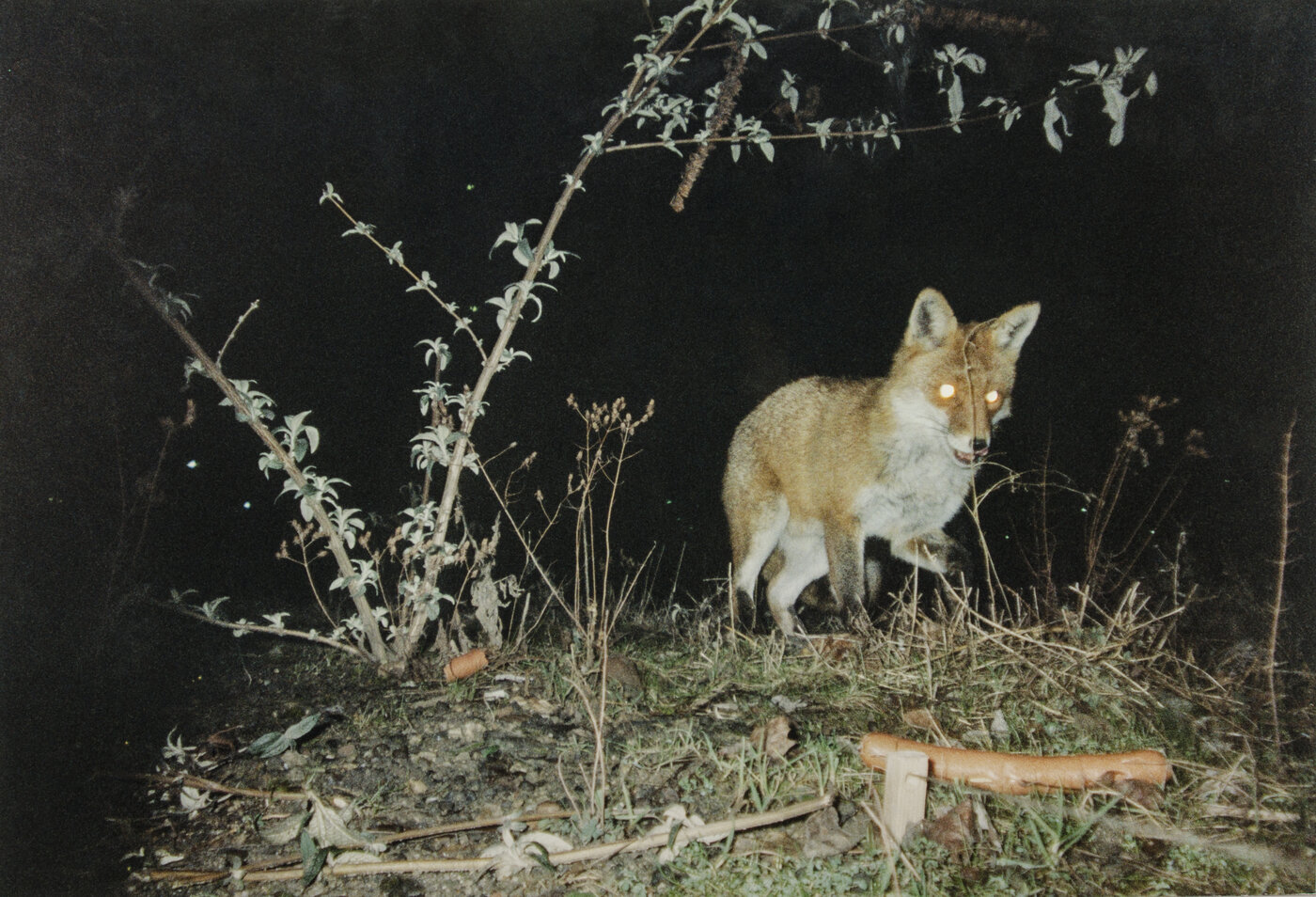
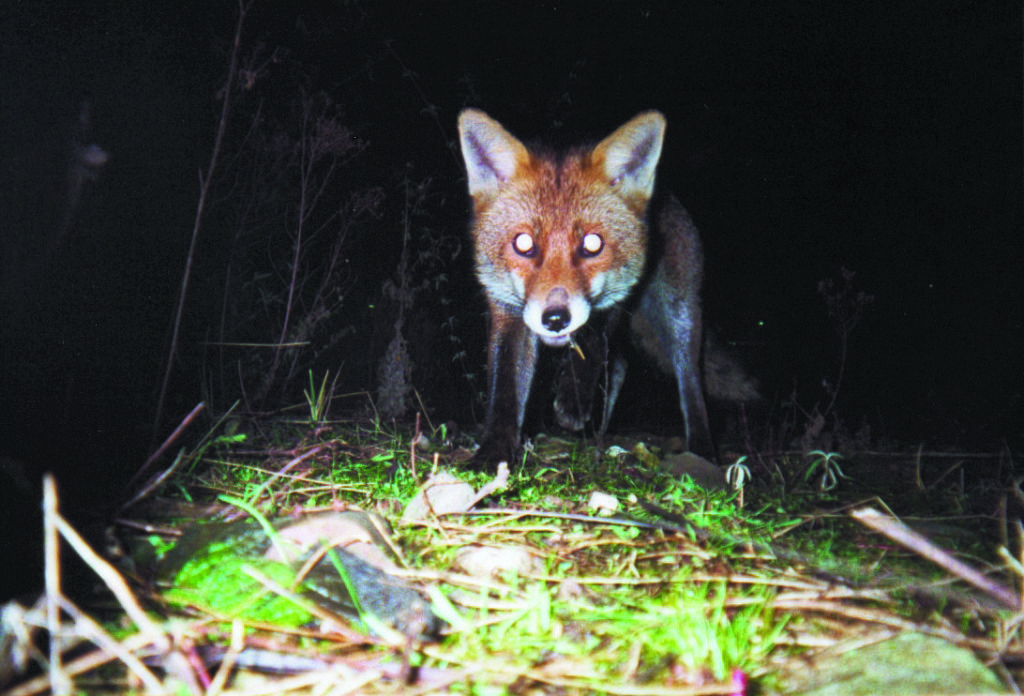
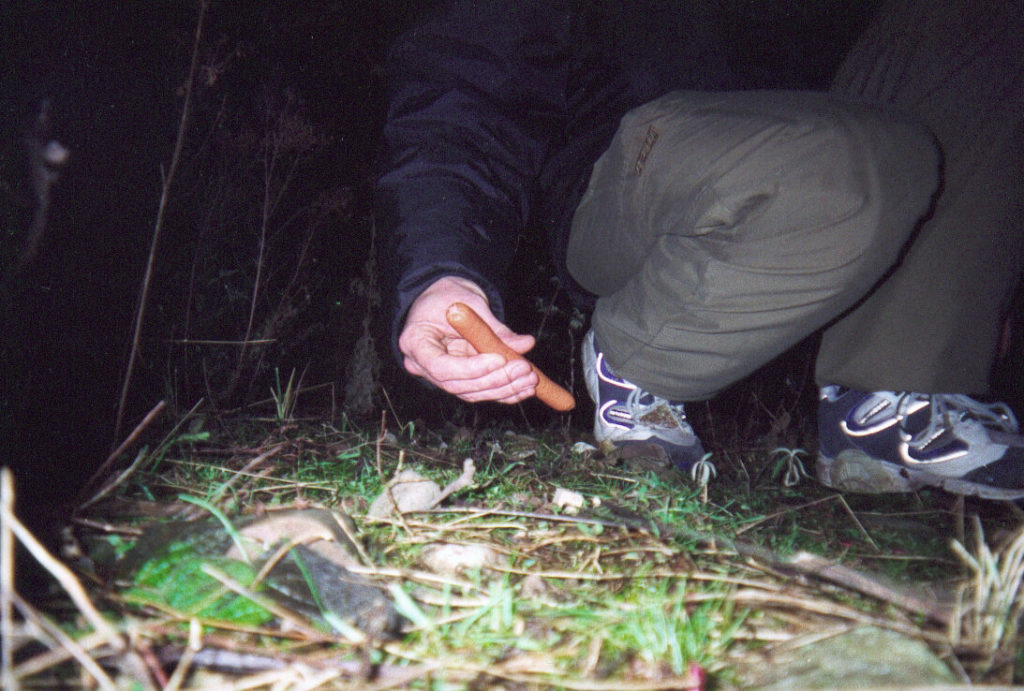
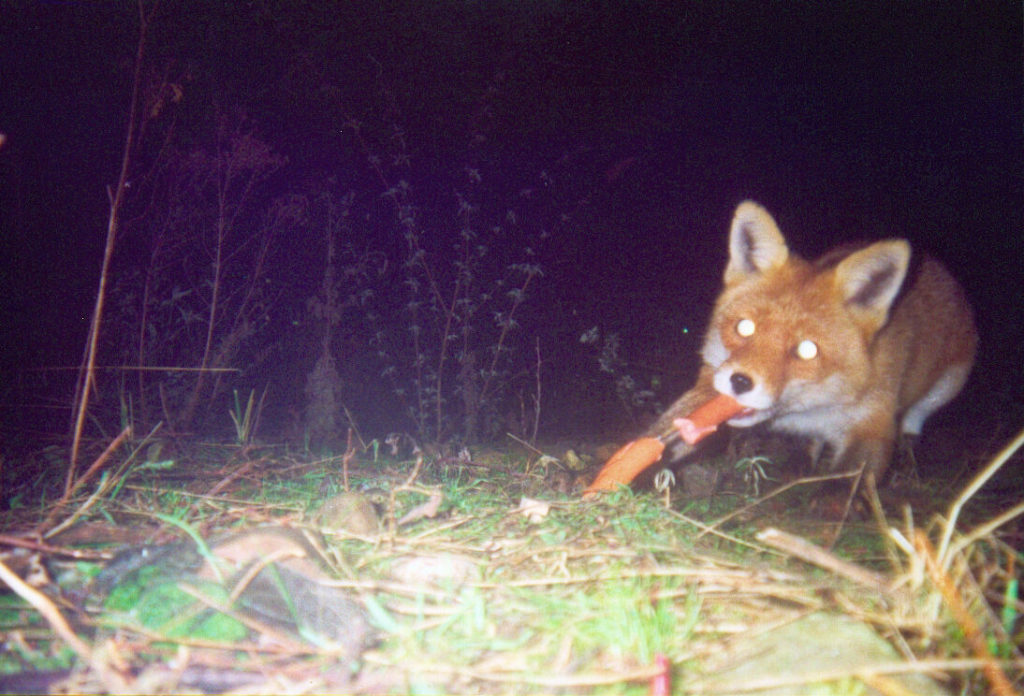
Greenfort’s paint­ings tell sto­ries of the fox: how it creeps through the city, across waste­lands and through back­yards. He looks cau­tious, but also sovereign—because the prox­im­i­ty between fox (or oth­er wild ani­mals) and humans has long been no longer a pecu­liar­i­ty, even in dense­ly built-up and inhab­it­ed cities. But the pho­tog­ra­ph­er does not only make the fox and its con­tem­po­rary habi­tats vis­i­ble with his works. Green­fort also illu­mi­nates larg­er ques­tions of ecol­o­gy, of the con­nec­tions between eco­nom­ic, social and cul­tur­al phe­nom­e­na. And so the images of the fox in the city speak not only of coex­is­tence, but also of an adap­ta­tion of the fox’s habi­tat, made nec­es­sary by the destruc­tion of or dis­place­ment from oth­er habi­tats due to mas­sive human inter­ven­tion. Tue Green­fort, Daim­ler­straße 38, Pho­to on alu­mini­um, 40×59 cm, 2001, Edi­tion 5 + 1 AP © Tue Green­fort and KÖNIG Galerie Berlin, Lon­don, Tokyo

An increas­ing num­ber of wild ani­mals are liv­ing in our cities. The diver­si­ty of species in urban agglom­er­a­tions is even greater than in the areas sur­round­ing them. The pho­to­graph­ic series by artist Tue Green­fort pro­pels this coex­is­tence of human and fox into plain sight. He points out that the abun­dant and grow­ing diver­si­ty of ani­mal life in cities con­fronts us with new challenges—because not every­one is hap­py about this cohab­i­ta­tion. As a result, plan­ning faces sig­nif­i­cant chal­lenges. It must not only take increas­ing and more com­pre­hen­sive care of the diverse needs and desires of dif­fer­ent peo­ple but also those crea­tures with no voic­es of their own in urban devel­op­ment processes.


Project

Daim­ler­straße 38


Artist

Tue Green­fort


Year

2001


Loca­tion

Frank­furt, Germany

© Tue Green­fort and KÖNIG Galerie Berlin, Lon­don, Tokyo

/* Custom Archives Functions Go Below this line */ /* Custom Archives Functions Go Above this line */

Of People in Cities

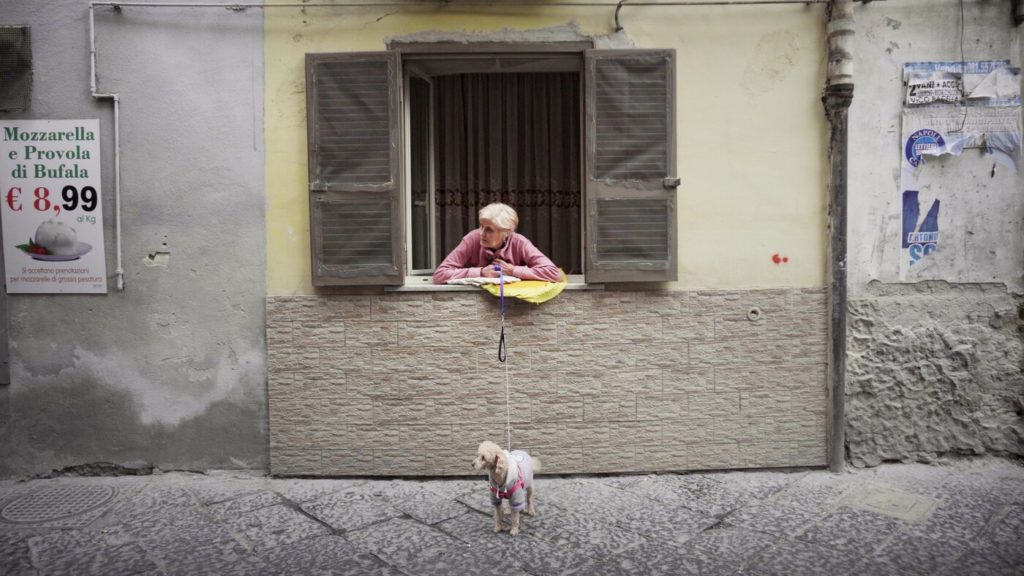
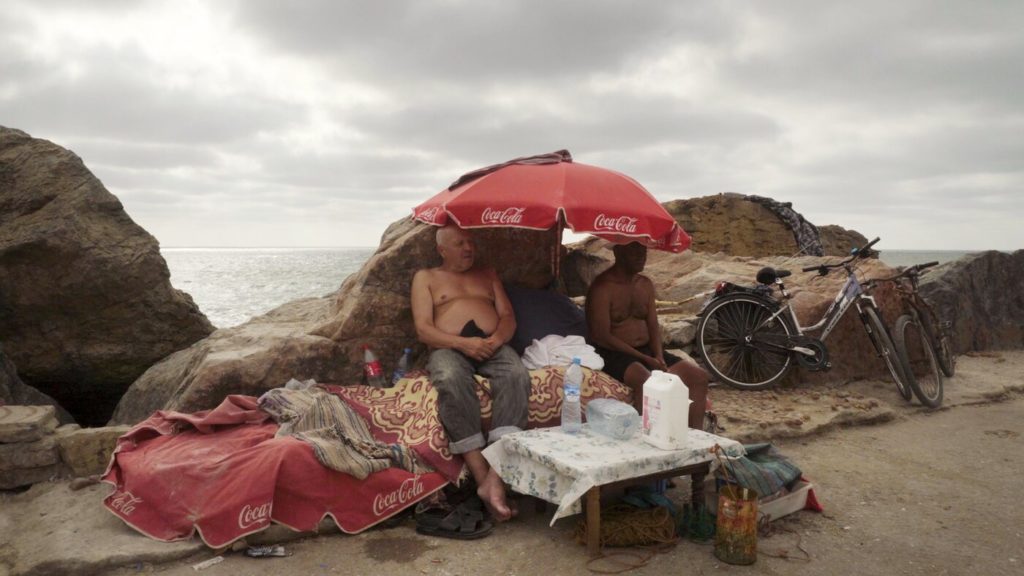
Bêka & Lemoine, Homo Urbanus, HD, col­or, France, 2017—2020. Image and sound: Ila Bêka, edit­ing: Louise Lemoine & Ila Bêka, Pro­duc­tion: Bêka & Lemoine. Homo Urbanus Neapoli­tanus (45 min), Homo Urbanus Rabatius (45 min), Homo Urbanus Petrobur­gu­mus (45 min), Homo Urbanus Vene­tianus (55 min) © Bêka & Lemoine

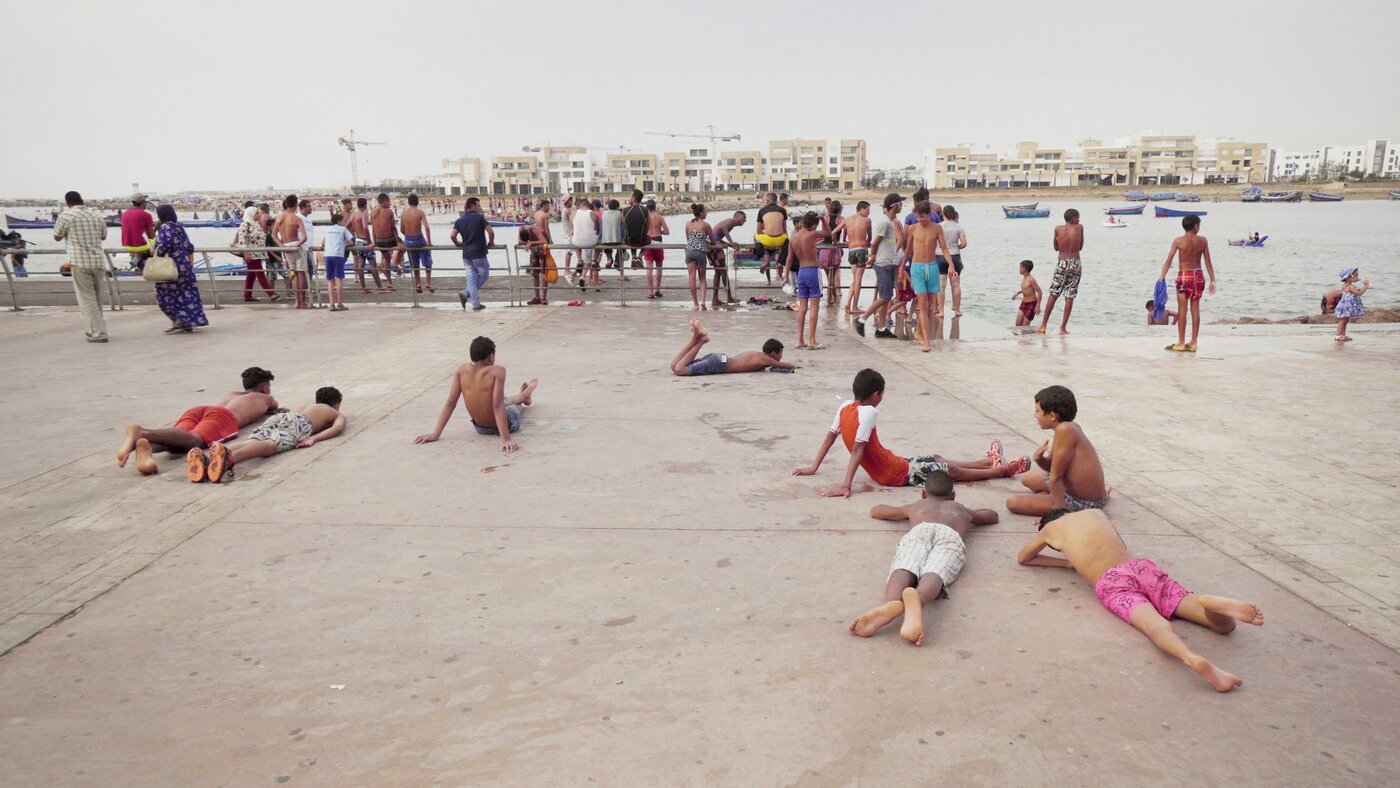
The mov­ing images show Bogotá and St. Peters­burg, Rabat and Seoul, Naples and Tokyo, Doha and Shang­hai, Kyoto and Venice. We are immersed in scenes of the every­day. There is fish­ing, clean­ing, danc­ing, and laugh­ing. What we see here is city. But it is not that city that shuf­fles from one mega project to anoth­er to claim its own in inter­na­tion­al com­pe­ti­tion. Rather, the spaces in this film speak of use. They show us that cities are, above and beyond, lived spaces that come alive only through us and our activ­i­ties. We do not find the same­ness of glob­al cities here. Instead: plu­ral­i­ty, het­ero­gene­ity, and again and again, site-spe­cif­ic being, mak­ing, and doing.


Project

Homo Urbanus


Film­mak­ers

Ila Bêka & Louise Lemoine


Year

Since 2018


Loca­tions

Var­i­ous

© Bêka & Lemoine
© Bêka & Lemoine

/* Custom Archives Functions Go Below this line */ /* Custom Archives Functions Go Above this line */

The Cooperative Housing Project Above a Tram Depot

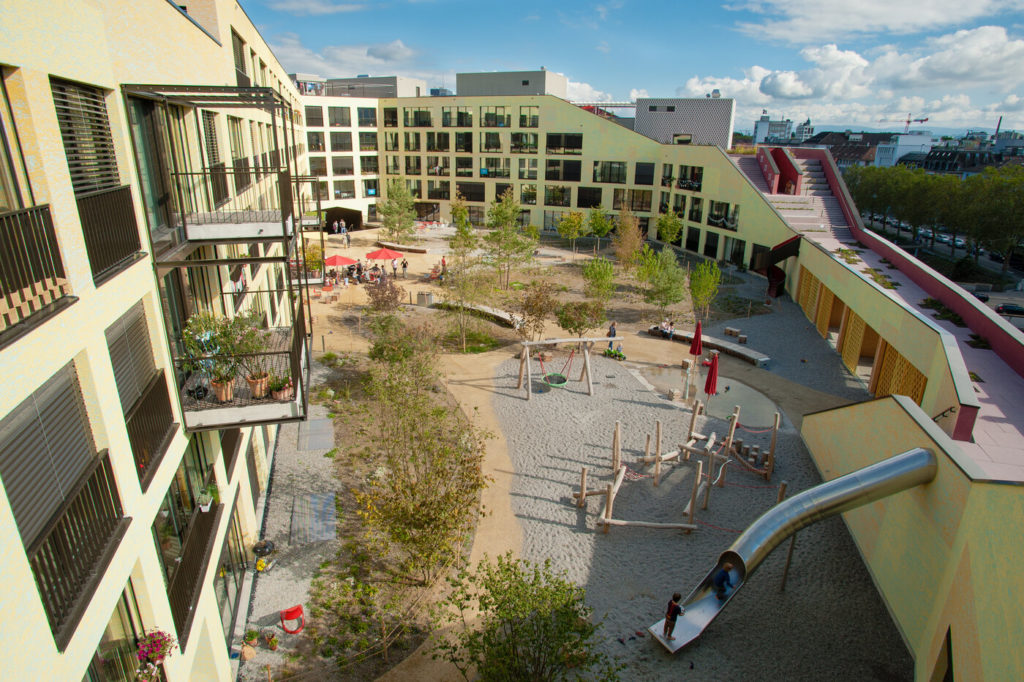
© Mar­tin Stollenwerk

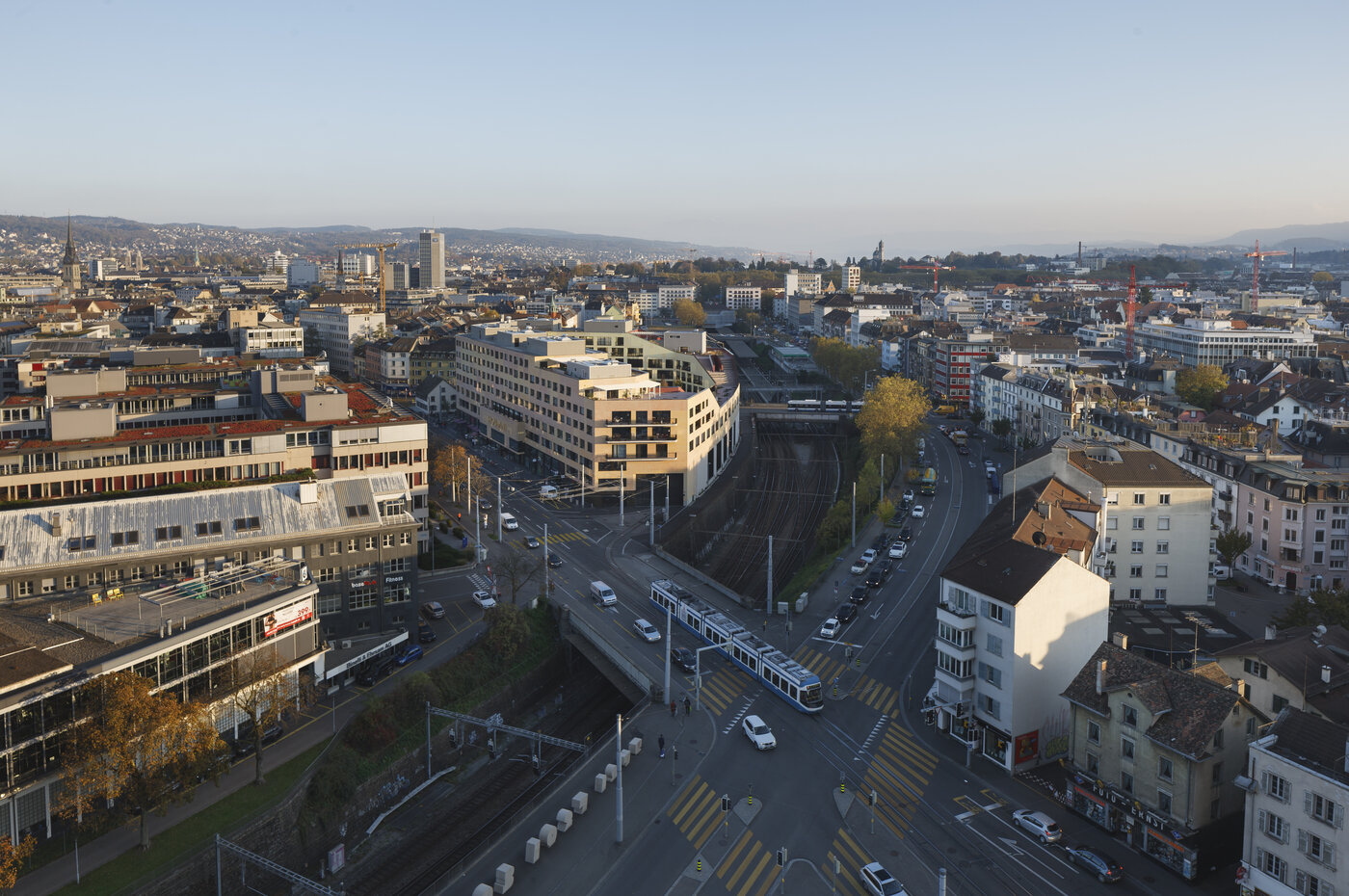
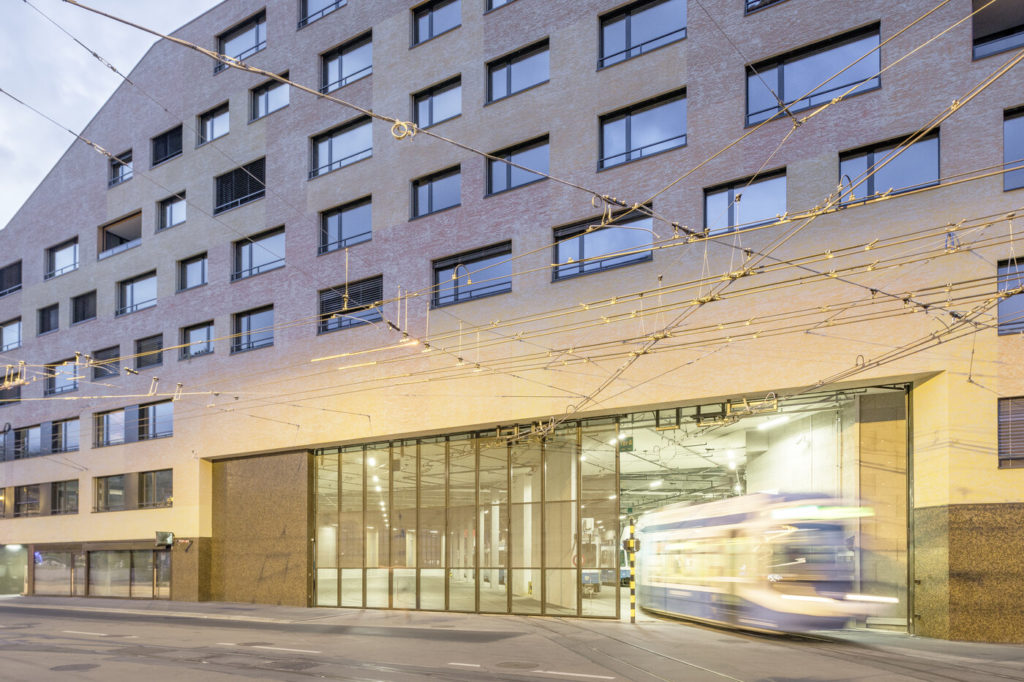
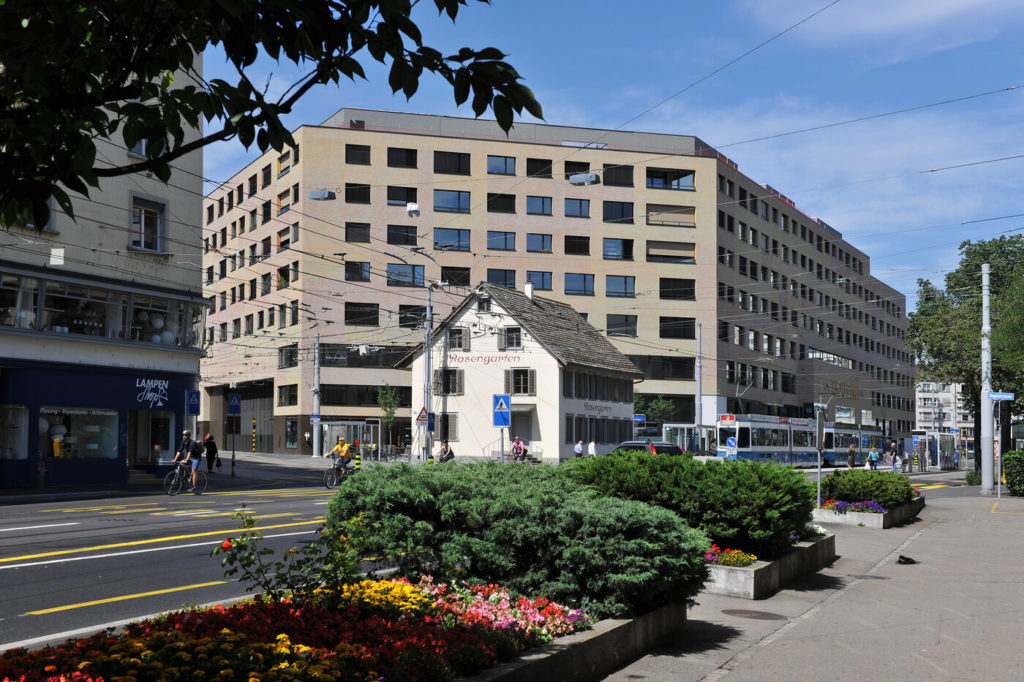
The large, up to sev­en-sto­ry res­i­den­tial and com­mer­cial build­ing in Zurich’s Wiedikon dis­trict is any­thing but ordi­nary. The build­ing is like a small town: com­plete with day­care cen­ter, doctor’s office, bank, art-house cin­e­ma, bars, restau­rant, flower shop, and tram depot. Fur­ther­more, Kalk­bre­ite is a cer­ti­fied »2000 Watt site in oper­a­tion«: Through active sus­tain­abil­i­ty mea­sures, those liv­ing and work­ing there reduce their eco­log­i­cal foot­print. Peo­ple cook and eat togeth­er, work­rooms are shared, an object library makes it pos­si­ble to bor­row equip­ment, and no one has their own car. The result­ing sav­ings are cur­rent­ly around 50% com­pared to aver­age house­hold usage in Zurich. The vision­ary approach of the Kalk­bre­ite will, in the long term, be applied to the entire city in order to con­tribute marked­ly to cli­mate justice.


Project

Res­i­den­tial and com­mer­cial build­ing Kalkbreite


Actors

Genossen­schaft Kalk­bre­ite, plan­ning and con­tract; Müller Sigrist Archi­tects AG, archi­tec­ture office; HAAG. LA, land­scape archi­tec­ture; City of Zurich, property


Year

Since 2006, work­shop stadt. labor / »Visions for the Kalk­bre­ite Site«; 2014, build­ing occupancy


Loca­tion

Zurich, Switzer­land

Genossen­schaft Kalk­bre­ite, Zurich, Müller Sigrist Architek­ten © Michael Egloff
In addi­tion to the pub­licly acces­si­ble inner court­yard of Kalk­bre­ite, which is locat­ed above the street­car hall of the depot, there are oth­er out­door spaces such as the acces­si­ble roof areas, which are only acces­si­ble to the res­i­dents of the block. © Genossen­schaft Kalk­bre­ite, Volk­er Schopp
© Genossen­schaft Kalk­bre­ite, Volk­er Schopp

/* Custom Archives Functions Go Below this line */ /* Custom Archives Functions Go Above this line */

Intimate Inner Lives

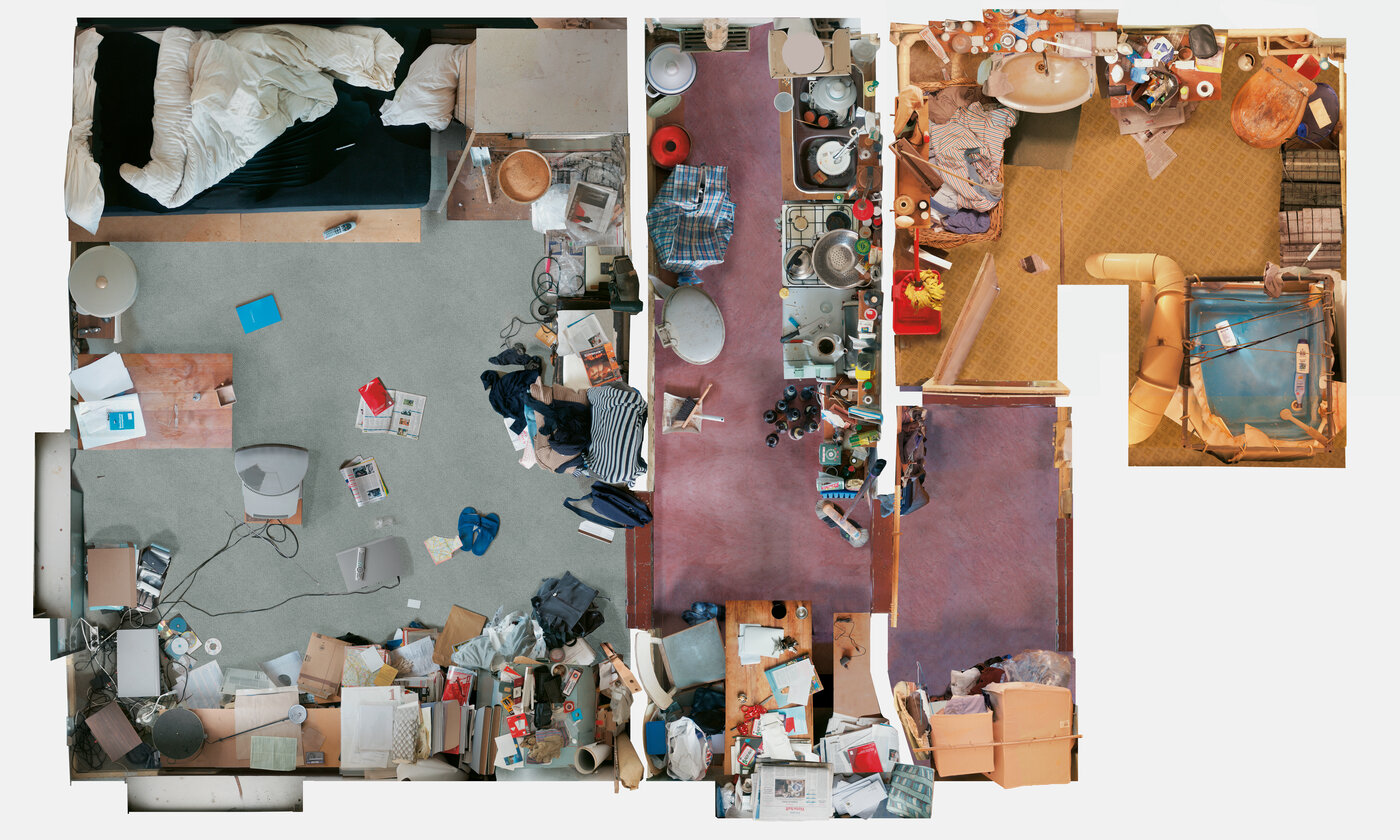
Andreas Koch, Apart­ment, pho­to print on can­vas, 500×800 cm, 2004 © Andreas Koch

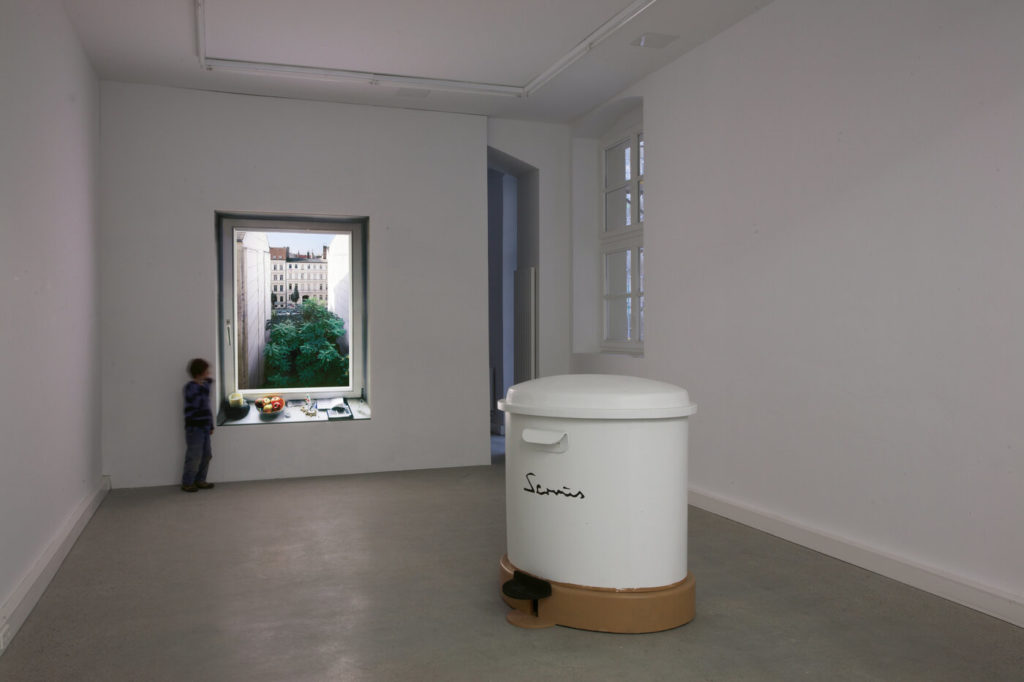
Both works, Fen­ster (Win­dow) and Tep­pich (Car­pet), by Andreas Koch are frozen. They depict traces in a city’s exis­tence, in the life of one or more peo­ple. Sup­pos­ed­ly famil­iar things, the inter­face between inside and out­side, are strange­ly dis­tort­ed by this enlarge­ment. Even the uncan­ny view of an apart­ment from above, which could not pos­si­bly be pho­tographed in this way, changes the sup­posed famil­iar­i­ty of the inte­ri­ors. It turns the pri­vate into the pub­lic with­out the occu­pants’ knowl­edge. As spec­ta­tors, we take an observ­ing, a dis­tanc­ing posi­tion; strange­ly for­eign, sound­less, pas­sive, and entire­ly with­out par­tic­i­pa­tion. It is not long before this voyeuris­tic view of the lives of oth­ers becomes unpleas­ant. Quick, let’s get out of here and into the city!


Project

Fen­ster und Tep­pich (Win­dow and Carpet)


Artist

Andreas Koch


Year

2007


Loca­tion

Berlin, Ger­many

Andreas Koch, Win­dow, light box, slide, 230×160×30 cm, 2007. exhi­bi­tion view loop—raum für aktuelle kun­st © Andreas Koch

/* Custom Archives Functions Go Below this line */ /* Custom Archives Functions Go Above this line */

Transformation Instead of Demolition and Construction

© Philippe Ruault

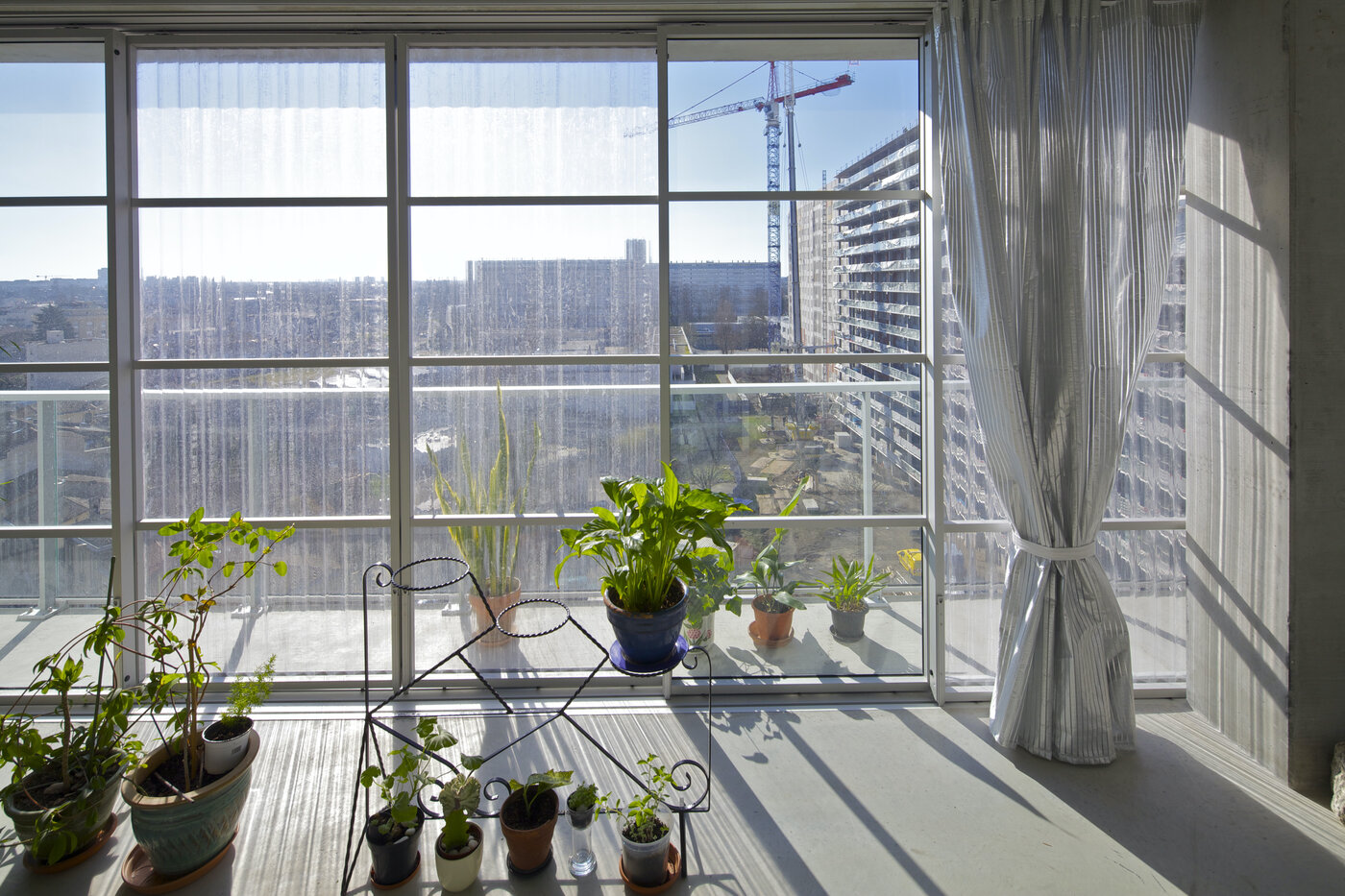
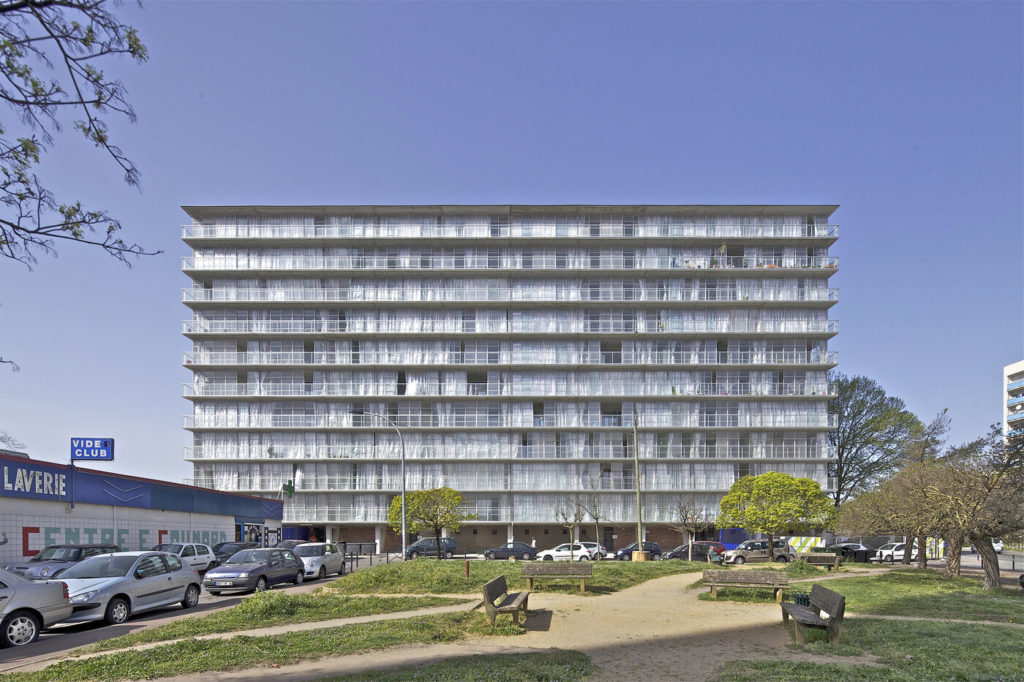
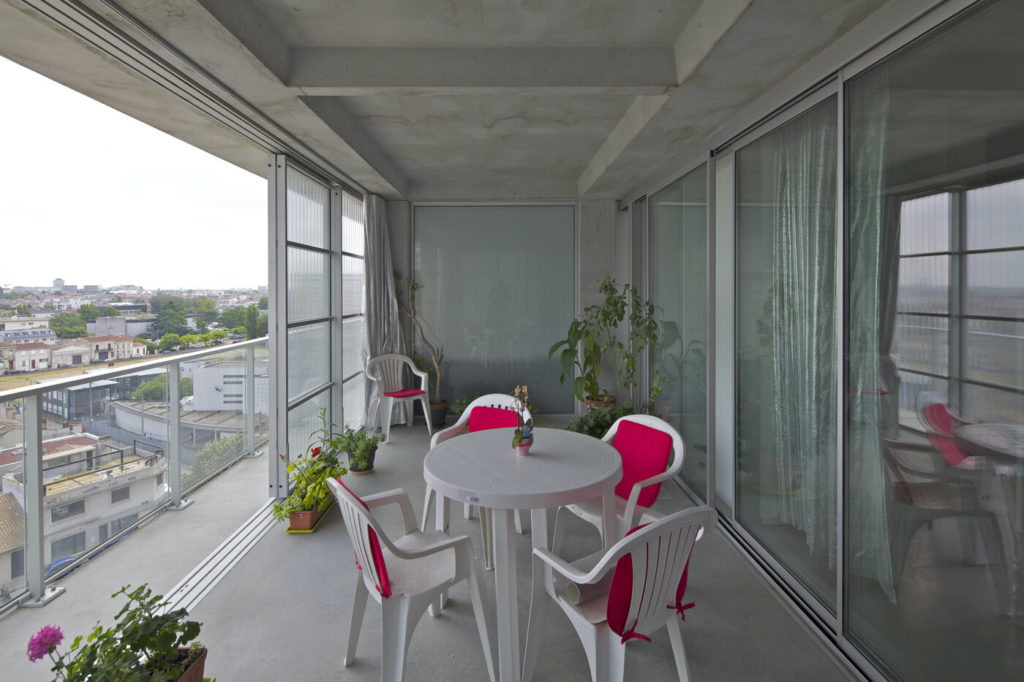
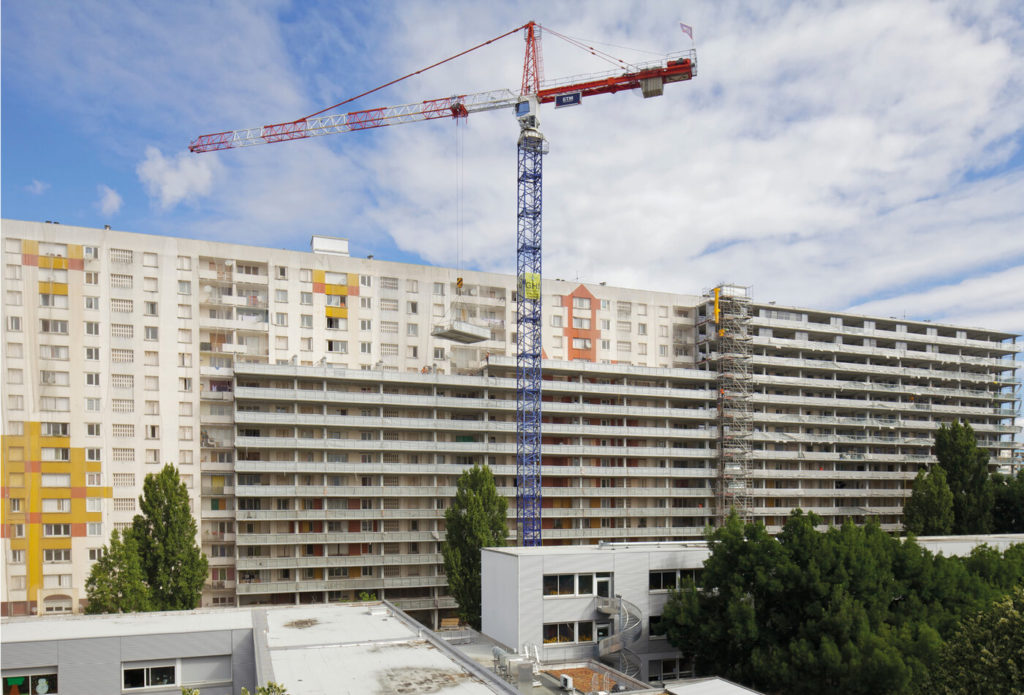
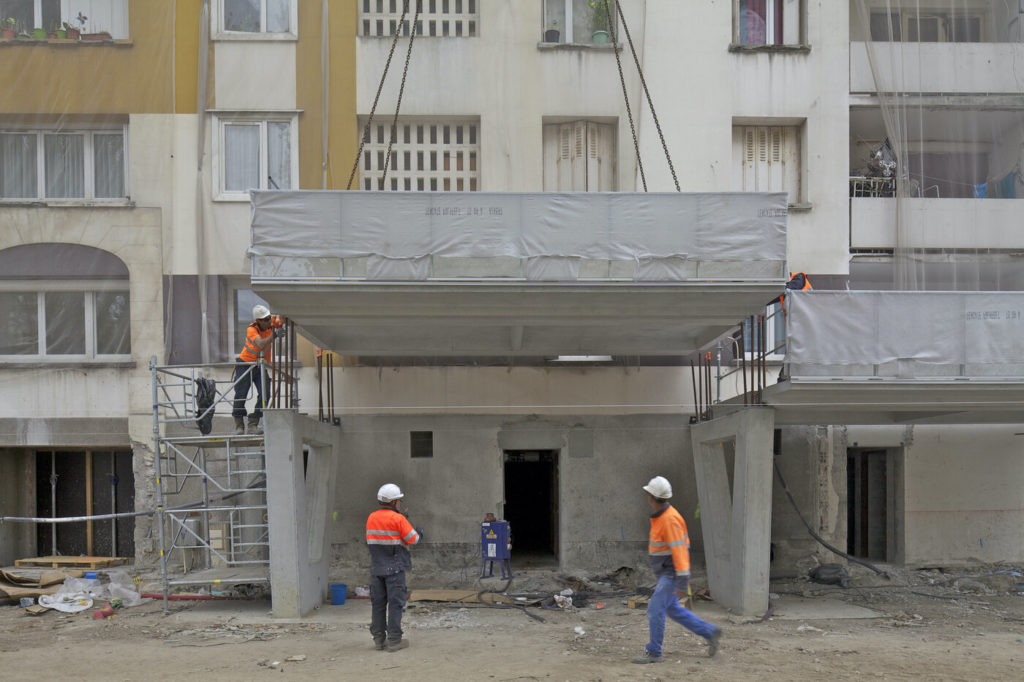
All over the world, large hous­ing estates like Cité du Parc rise upwards out of spa­cious park land­scapes. They are often con­sid­ered »social hotspots.« As is the case here. In the ear­ly 2000s, the French state decid­ed to rethink the future of such hous­ing estates. This is where the archi­tec­ture firm Laca­ton & Vas­sal with Druot comes in. The team had been work­ing on this ques­tion for some time: How can spa­tial trans­for­ma­tions be planned and imple­ment­ed so that they do not lead to occu­pant dis­place­ment? The office’s work illus­trates that alter­na­tives to demo­li­tion and new con­struc­tion do exist. And they define new qual­i­ties in build­ings, which many believe can­not be improved.


Project

Trans­for­ma­tion de 530 Loge­ments et création de 8 loge­ments en toitures—Grand Parc Bordeaux


Con­trib­u­tors

Laca­ton & Vas­sal Archi­tects, Frédéric Druot Archi­tec­ture, Christophe Hutin Archi­tec­ture, archi­tec­ture ofWices; Bernard Blanc, for­mer Gen­er­al Direc­tor Aqui­ta­nis; Alain Jup­pé, for­mer O.P.H. de la com­mu­nauté Urbaine de May­or of Bor­deaux; Aqui­ta­nis O. P.H. de la com­mu­nauté Urbaine de Bor­deaux, commission


Year

2011—2016


Loca­tion

Bor­deaux, France

The hous­es of the Cité after the recon­struc­tion mea­sures. 2,300 of 4,000 apart­ments were ren­o­vat­ed between 2012 and 2017. But Aqui­ta­nis also car­ried out sim­i­lar mea­sures in oth­er large hous­ing estates in Bor­deaux, test­ing a dif­fer­ent approach to exist­ing build­ings instead of demo­li­tion and new con­struc­tion as part of the Généra­tions d’Habi­tat Inno­vant (GHI) pro­gram. © Philippe Ruault
© Philippe Ruault
Aqui­ta­nis, the social hous­ing asso­ci­a­tion of the Bor­deaux Métro­pole local author­i­ty, is the own­er of the build­ings. The company’s for­mer gen­er­al man­ag­er, Bernard Blanc, was able to pre­vent the demo­li­tion, among oth­er things by argu­ing that the Cité du Grand Parc has been part of the UNESCO World Her­itage Site of Bor­deaux since 2007. Fol­low­ing an archi­tec­tur­al com­pe­ti­tion, the deci­sion to retain the build­ings will mark the start of the ren­o­va­tion work in 2011. The con­struc­tion task com­pris­es the trans­for­ma­tion of a total of three disc-like res­i­den­tial build­ings: Blocks H and I, each 150 meters long and 45 meters high, and Block G, which is 60 meters long but only 31 meters high. © Philippe Ruault
© Philippe Ruault
In the first phase of the recon­struc­tion, the lat­er con­ser­va­to­ries and bal­conies, which were deliv­ered by usu­al trucks, were placed in front of the exist­ing facade. Only then did the adap­ta­tion of the exist­ing shell of the build­ings con­tin­ue: the old win­dows were dis­man­tled and new open­ings were cut into the facades. The quick assem­bly, made pos­si­ble by the high degree of use of pre­fab­ri­cat­ed ele­ments, helped to ensure that the occu­pants did not have to move out dur­ing the recon­struc­tion work. © Philippe Ruault

/* Custom Archives Functions Go Below this line */ /* Custom Archives Functions Go Above this line */

A Sign for Europe

EUROPA at the König Galerie in the for­mer St. Agnes Church in Berlin (2016). © Rubén Dario Kleimeer

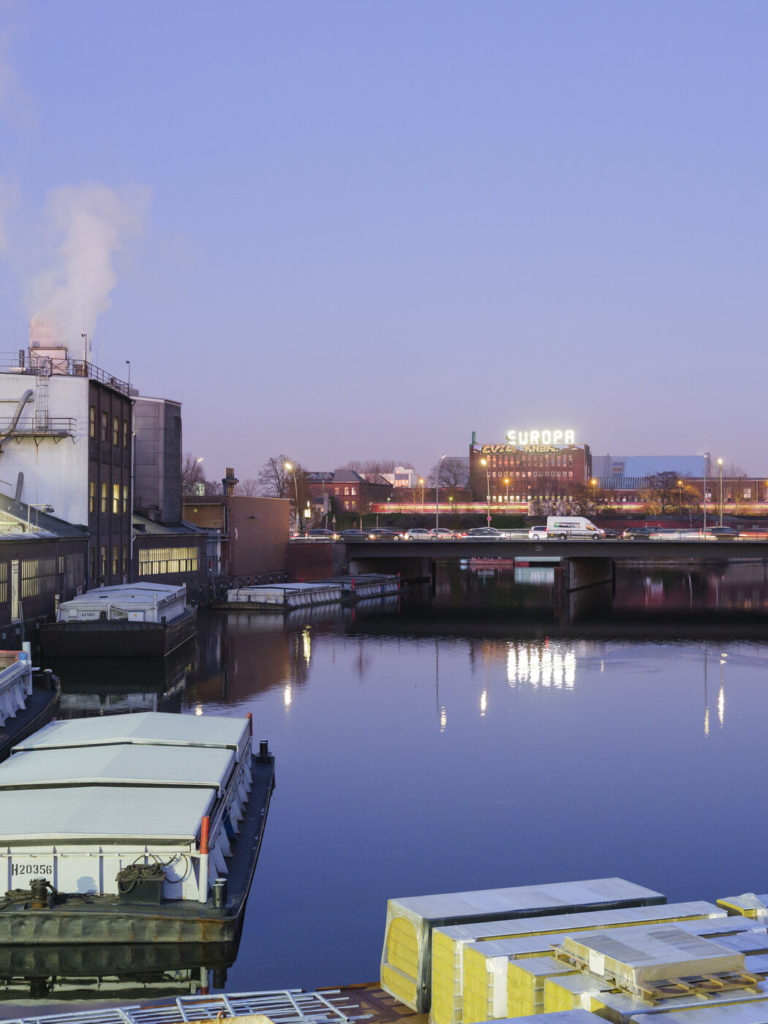
The work EUROPA was cre­at­ed in the after­math of Britain’s ref­er­en­dum for with­draw­al from the Euro­pean Union. Europe, accord­ing to the archi­tec­ture and plan­ning office more­Platz, lacks vis­i­bil­i­ty, pub­lic pres­ence, and pos­i­tive feed­back. The huge lumi­nous tubes, which have been on dis­play in Berlin and many oth­er loca­tions across Ger­many and abroad since their first instal­la­tion in Novem­ber 2016, were con­cep­tu­al­ized to address this artic­u­lat­ed lack. But this notion of Europe that these let­ters and this light fix­ture are meant to rep­re­sent is also viewed crit­i­cal­ly by many for Europe’s exter­nal bor­ders are being increas­ing­ly sealed off and defend­ed. The promise of an open and sol­idary Europe remains for many an unat­tain­able goal. Radi­ant EUROPA does not shine equal­ly for everyone.


Pro­jekt

Europa


Con­trib­u­tors

more­Platz, co-ini­tia­tors, design; Johann and Lena König, co-financ­ing; St. Agnes Immo­bilien- und Ver­wal­tungs­ge­sellschaft mbH; Deutsches Architek­tur Zen­trum, sup­port; thir­ty-three indi­vid­u­als and archi­tec­ture and cul­ture offices, co-financing


Year

Since 2016


Loca­tions

Var­i­ous

EUROPA at the Bille pow­er plant in Ham­burg (2017). © Hein­rich Holtgreve

/* Custom Archives Functions Go Below this line */ /* Custom Archives Functions Go Above this line */

River Landscapes in the City

© Lucía de Mosteyrín

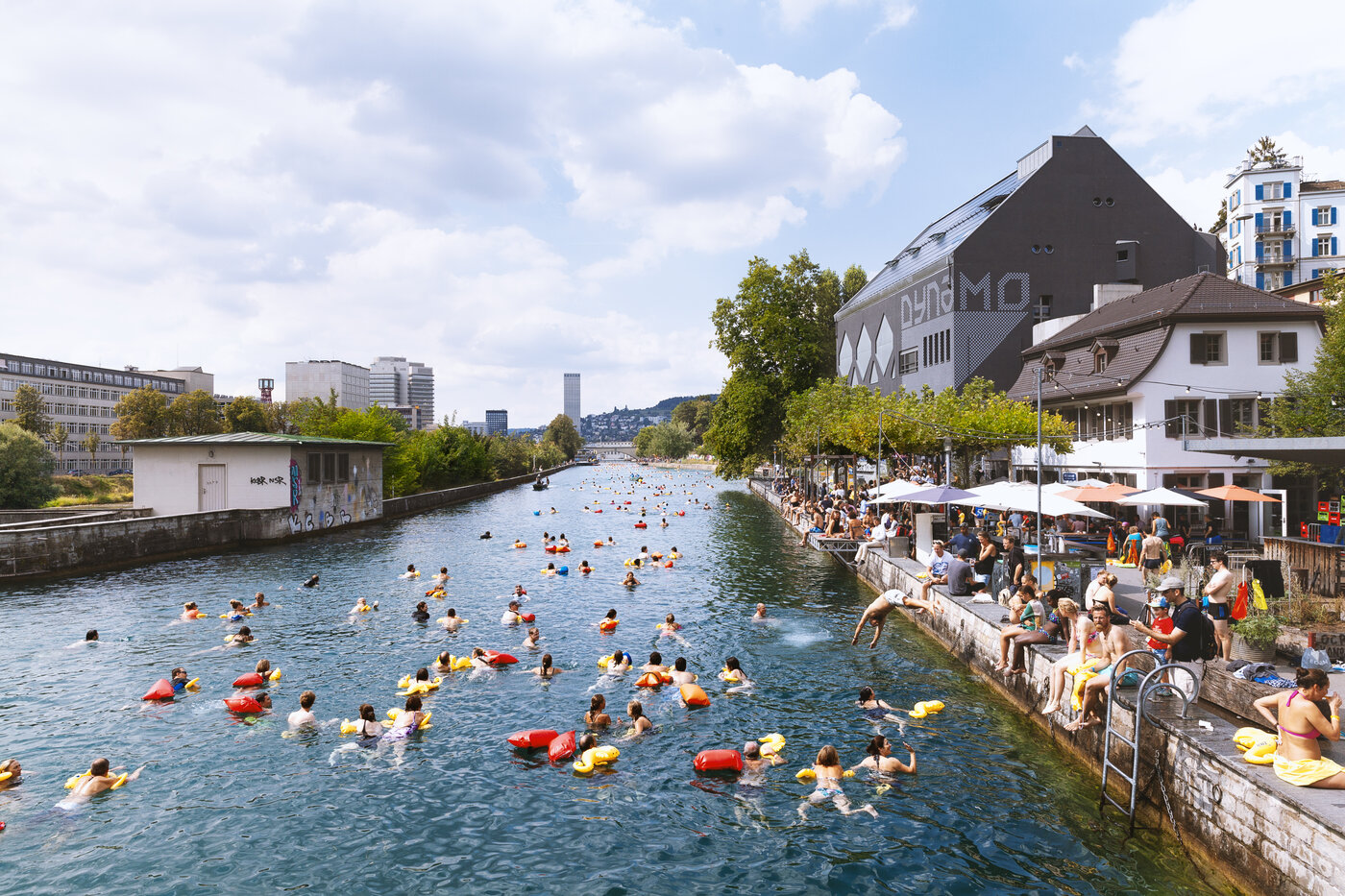
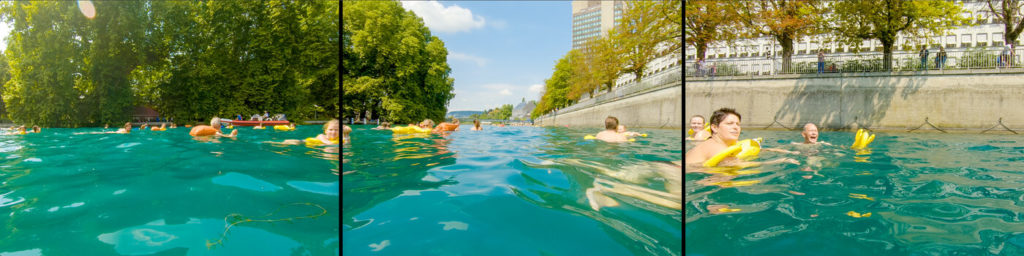
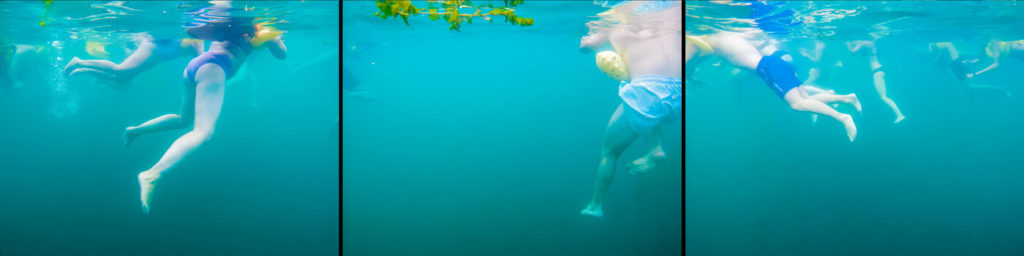
The film Swim City shows us how vital rivers are for the well-being of the entire urban pop­u­la­tion. Whether in the Danube baths in Vien­na, the botan­i­cal gar­dens of Tbil­isi, or the rivers in Basel and Zurich—everywhere peo­ple are jump­ing into the water on warm and even cold days. In oth­er cities, too, where rivers are only just being redis­cov­ered as open spaces, ini­tia­tives are being formed to raise aware­ness of the val­ue of water in the city. This, how­ev­er, goes far beyond the mere pop­u­lar­iz­ing of swim­ming. They are also move­ments that fight for pub­lic access to water against the back­ground of increas­ing pri­va­ti­za­tion of riv­er banks. They make it clear that rivers must be tak­en seri­ous­ly as impor­tant arter­ies in larg­er eco­log­i­cal structures.


Project

Swim City


Con­trib­u­tors

Jürg Egli, artist and Wilm­mak­er; Lucı́a de Mosteyrı́n, pho­tog­ra­ph­er; Bar­bara Buser, Andreas Ruby, and Yuma Shi­no­hara, co-cura­tion; Swiss Archi­tec­ture Muse­um Basel (S AM), commission

Year

2018, Film­ing


Loca­tions

Basel, Bern, Zurich, and Gene­va, Switzerland

Jürg Egli, Swim City, 3‑Kanal Instal­la­tion in video loop (18 min), 2019. © Jürg Egli
© Jürg Egli
© Lucía de Mosteyrín

/* Custom Archives Functions Go Below this line */ /* Custom Archives Functions Go Above this line */