A Small Town’s Dialogue with Civil Society

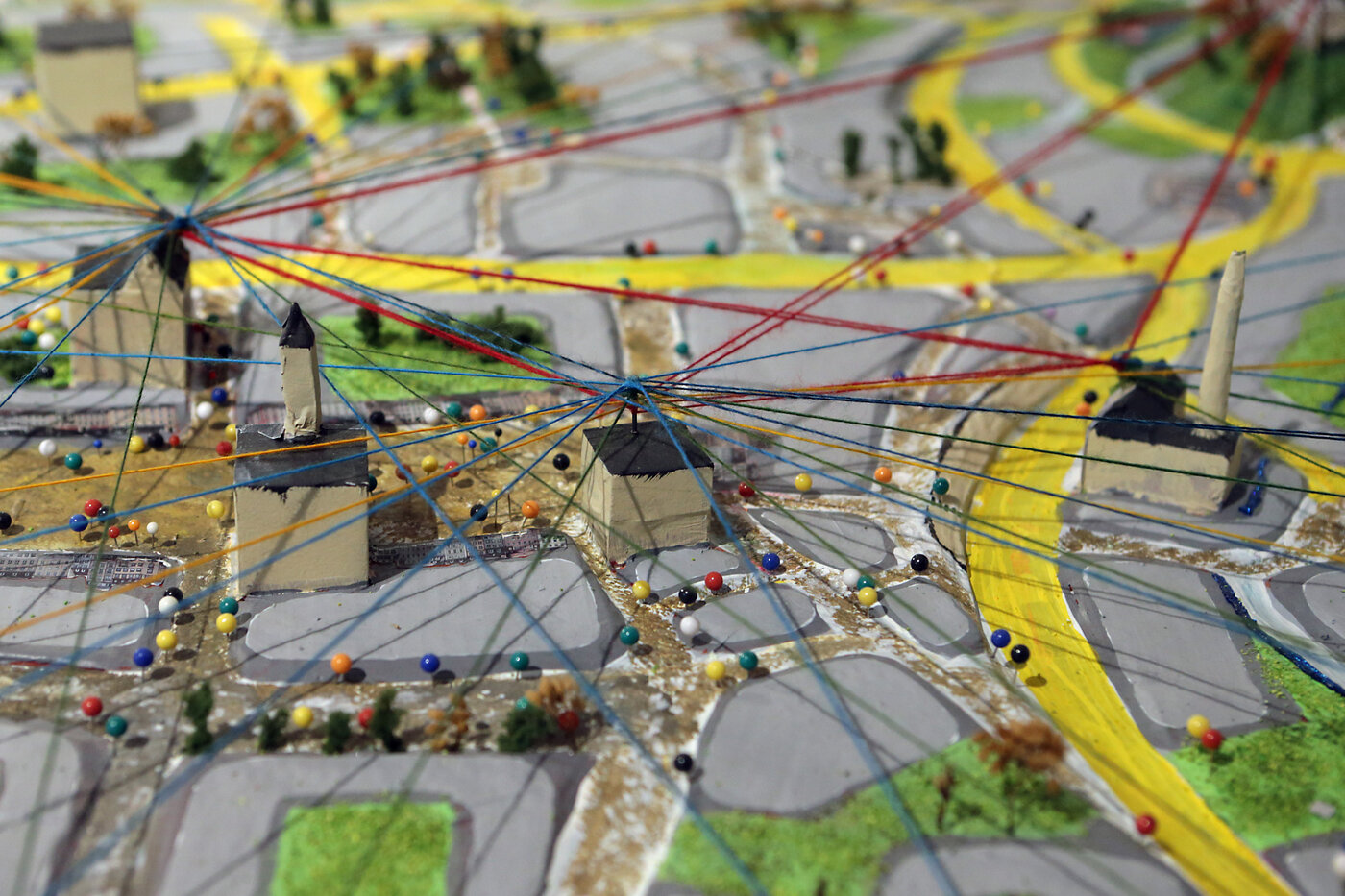
Stadt­men­sch should empow­er peo­ple to take the ini­tia­tive and imple­ment their own project ideas. Var­i­ous instru­ments have been devel­oped for this pur­pose: There is the Stadt­men­sch Acad­e­my and Think Tank, which offers exchange, advice and edu­ca­tion­al oppor­tu­ni­ties on top­ics such as con­cept devel­op­ment, project man­age­ment and pub­lic rela­tions to help peo­ple set up their own busi­ness­es. The Stadt­men­sch-Fonds sup­ports ini­tia­tives. © Jens Paul Taubert

The small town of Altenburg in Thuringia is shrink­ing. Since the 1980s, the pop­u­la­tion has declined by over 40%. Numer­ous indi­vid­u­als and ini­tia­tives have there­fore been active for sev­er­al years. They want to coun­ter­act the down­beat atmos­phere. The coop­er­a­tion of var­i­ous ini­tia­tives, sup­port asso­ci­a­tions, and cul­tur­al institutions—Stadtmensch—is sup­port­ed by a pro­gram under the Nation­al Urban Devel­op­ment Pol­i­cy and work­ing on pur­pose­ful­ly expand­ing exist­ing mod­els for the co-pro­duced city. In con­crete terms, the aim is for civ­il soci­ety to assume respon­si­bil­i­ty for pub­lic indoor and out­door spaces. Calls for ideas bring forth projects, the imple­men­ta­tion and pro­mo­tion of which are decid­ed upon by locals through var­i­ous pro­ce­dures. An impor­tant cri­te­ri­on: the projects should serve the com­mon good.

Link to Audio guide


Project

Stadt­men­sch


Con­trib­u­tors

Erlebe was geht gGmbH, respon­si­ble body; Fed­er­al Min­istry of the Inte­ri­or, Build­ing and Com­mu­ni­ty, co-financing


Year

Since 2018


Loca­tion

Altenburg, Ger­many

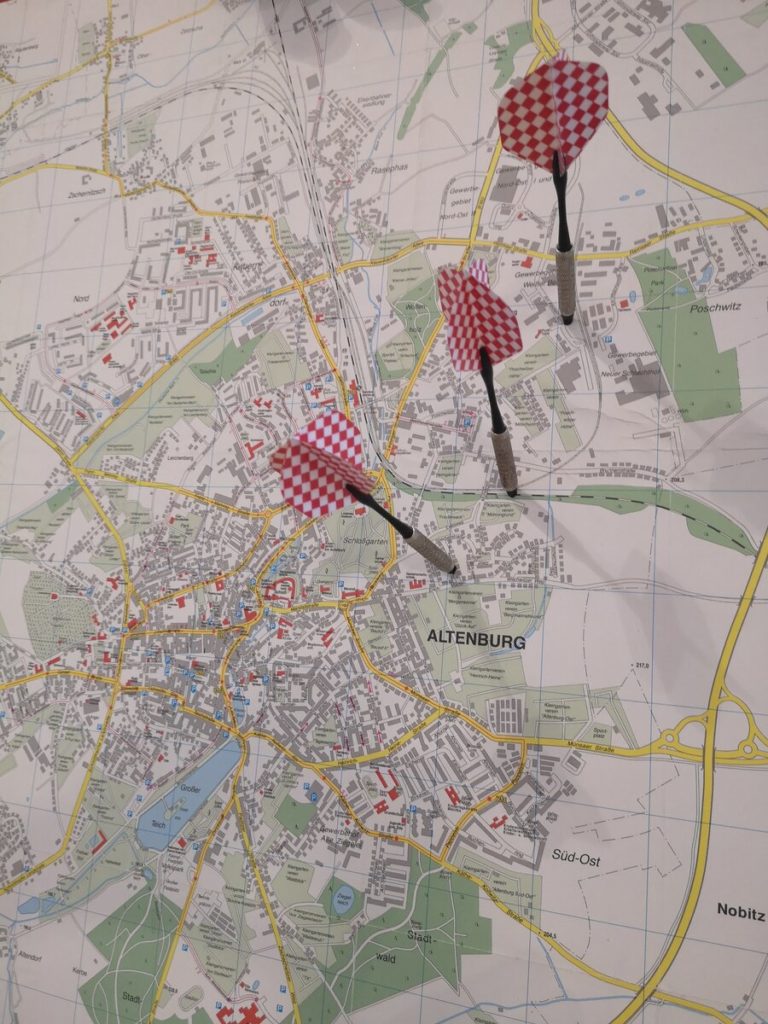
How best to dis­trib­ute fund­ing? »Stadt­men­sch« try a vari­ety of meth­ods. Some­times darts are thrown on a city map, some­times projects wor­thy of sup­port are select­ed through a mul­ti-stage process. © Stadtmensch
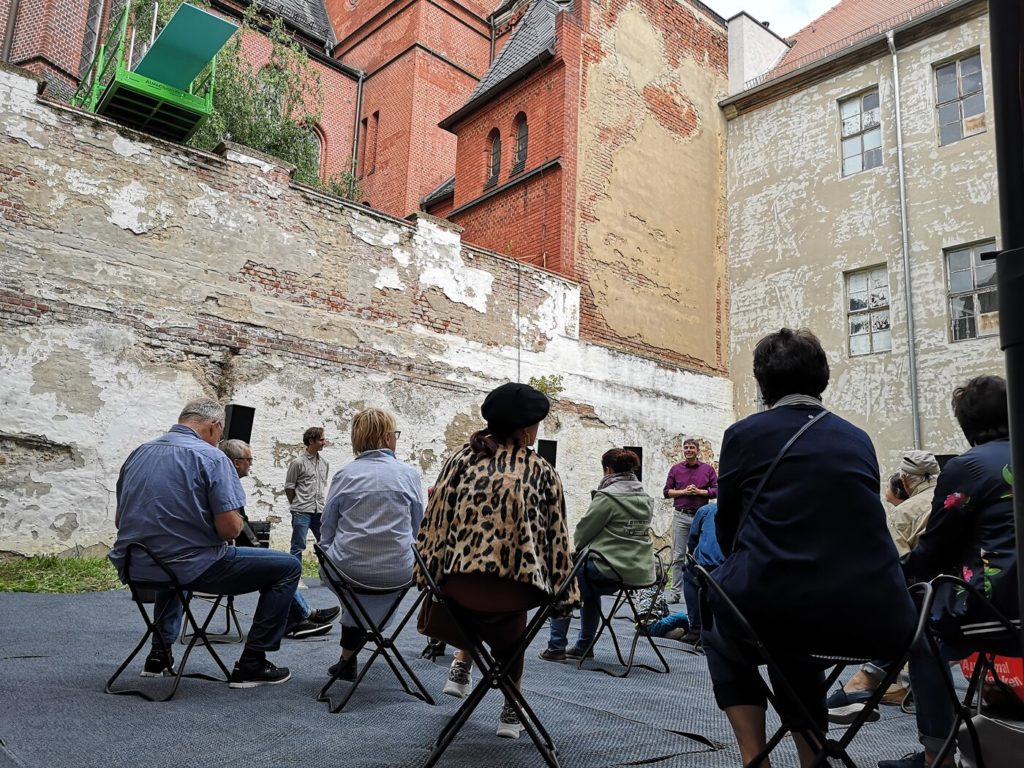
Var­i­ous actions in pub­lic space are intend­ed to encour­age more peo­ple to get involved and revi­tal­ize pre­vi­ous­ly unused places in the city. Here: the audi­ence of a radio play instal­la­tion in the con­text of the sec­ond Mit­Mach­Markt. In addi­tion to the Mit­Mach­Markt, there is the Stadt­men­sch-Fes­ti­val, a bazaar on Altenburg’s his­toric mar­ket square, where the numer­ous ini­tia­tives from the fields of art and pol­i­tics, sports and the envi­ron­ment, social affairs and cul­ture can meet and exchange ideas. © Anja Fehre

/* Custom Archives Functions Go Below this line */ /* Custom Archives Functions Go Above this line */

A Model Project for Refugee Integration

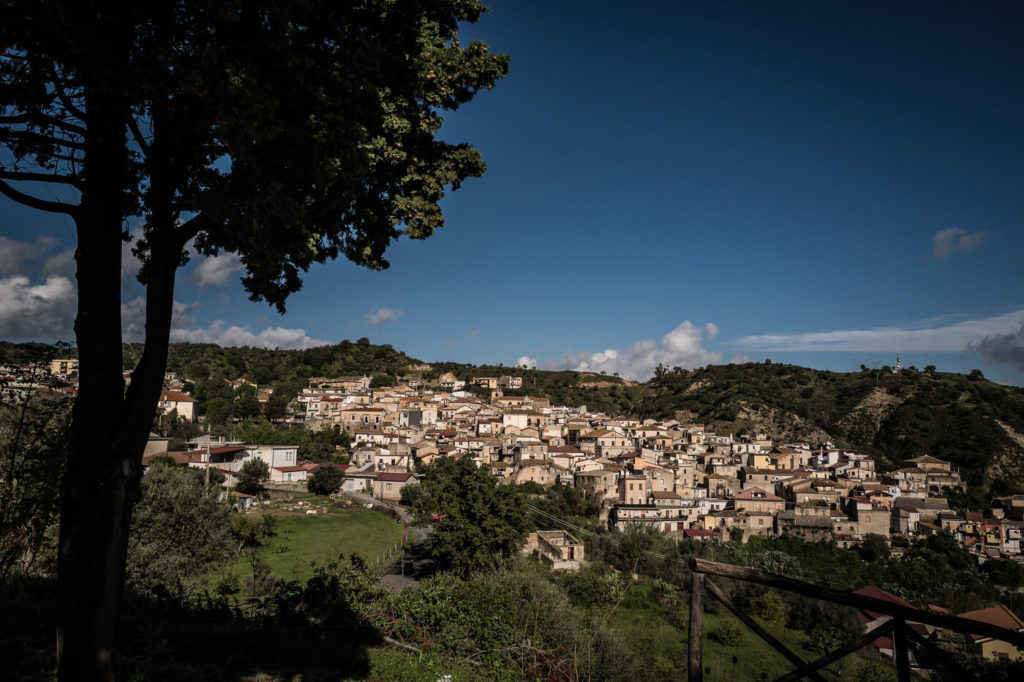
The pho­tog­ra­ph­er and author Nico­la Zolin doc­u­ment­ed the rise and fall of the city of Riace and its for­mer may­or, who wel­comed refugees with open arms, cre­at­ing a spe­cial kind of utopia. The fol­low­ing images are tak­en from Zolin’s 2018 pho­to series »The World is a Small Town«. The Mari­na of Riace on the south­east coast of Italy, where a boat with sev­er­al hun­dred Kurds strand­ed in 1998. © Nico­la Zolin

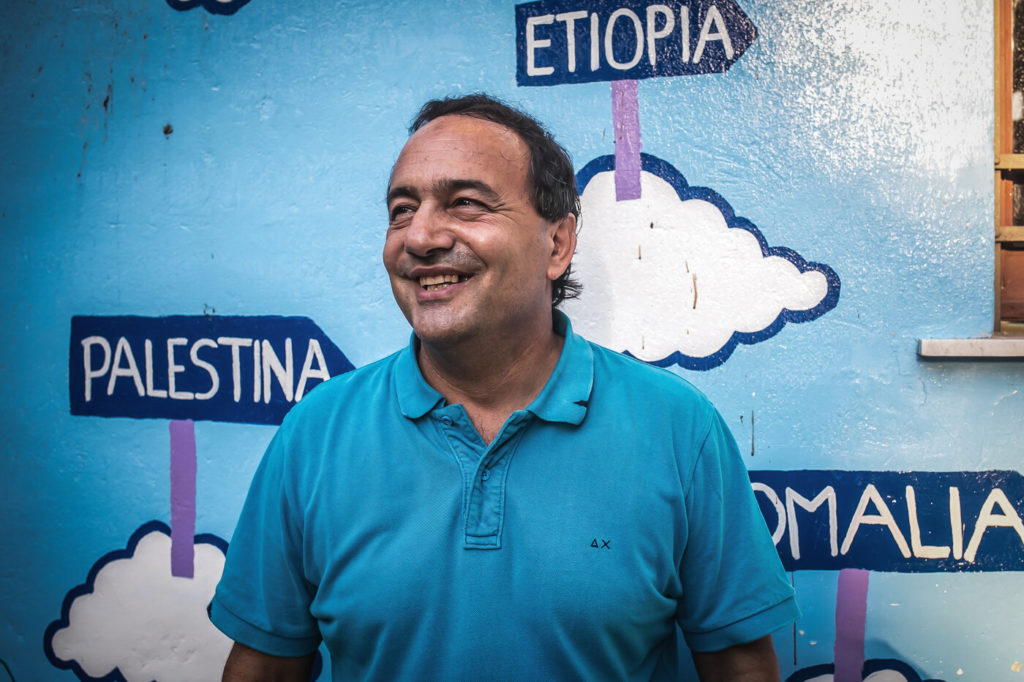
For­mer may­or Domeni­co »Mim­mo« Lucano of the south­ern Ital­ian munic­i­pal­i­ty of Riace was co-founder of the asso­ci­a­tion Cit­tà Futura—City of the Future. In col­lab­o­ra­tion with aid orga­ni­za­tions, he took in refugees from Afghanistan, Iraq, Eritrea, Pales­tine, and Lebanon. With this came state sub­si­dies that were then also invest­ed in the village’s infra­struc­ture, which—many today believe—would like­ly have died out with­out the new res­i­dents. And so, togeth­er with the locals, aban­doned hous­es were repaired. The new­com­ers were also intro­duced to local tra­di­tions of glass mak­ing, ceram­ics, and embroi­dery. But from the begin­ning, there was resis­tance to what was seen as an idio­syn­crat­ic approach, which final­ly led to the project’s col­lapse a few years ago. Lucano was accused of mal­prac­tice, abuse of his posi­tion, and had to leave Riace. In the mean­time, how­ev­er, he’s back forg­ing new plans.


Project

Riace Cit­tà Futu­ra / Asso­ci­azione Cit­tà Futura—Giuseppe Puglisi


Con­trib­u­tors

Domeni­co Lucano, for­mer may­or of Riace; res­i­dents of Riace, refugees, Ser­vice of Pro­tec­tion for Refugees and Asy­lum Seek­ers (SPRAR), co-Winanc­ing; Cit­tà Futura—Giuseppe Puglisi, asso­ci­a­tion; Nico­la Zolin, photographer


Year

Since 1999, year of foundation


Loca­tion

Riace, Italy

A view of Riace Sopra, a place from which peo­ple had moved away for decades to find work in the north of the coun­try or North­ern Europe. The fate of the vil­lage changes with the fugi­tives that the for­mer may­or Domeni­co Lucano has placed in the emp­ty hous­es of the vil­lage. Ini­tia­tives are estab­lished with res­i­dents so that those who want to stay can set­tle down. © Nico­la Zolin
The for­mer teacher Domeni­co Lucano became may­or of Riace in 2004 and is estab­lish­ing a cul­ture of welcome—a cel­e­brat­ed inte­gra­tion and devel­op­ment project. Togeth­er with local res­i­dents, he found­ed the coop­er­a­tive »Cit­tà Futura«—City of the Future, in order to take a stand against the eco­nom­ic exploita­tion and social exclu­sion of refugees, while at the same time attract­ing more tourists to the region. © Nico­la Zolin
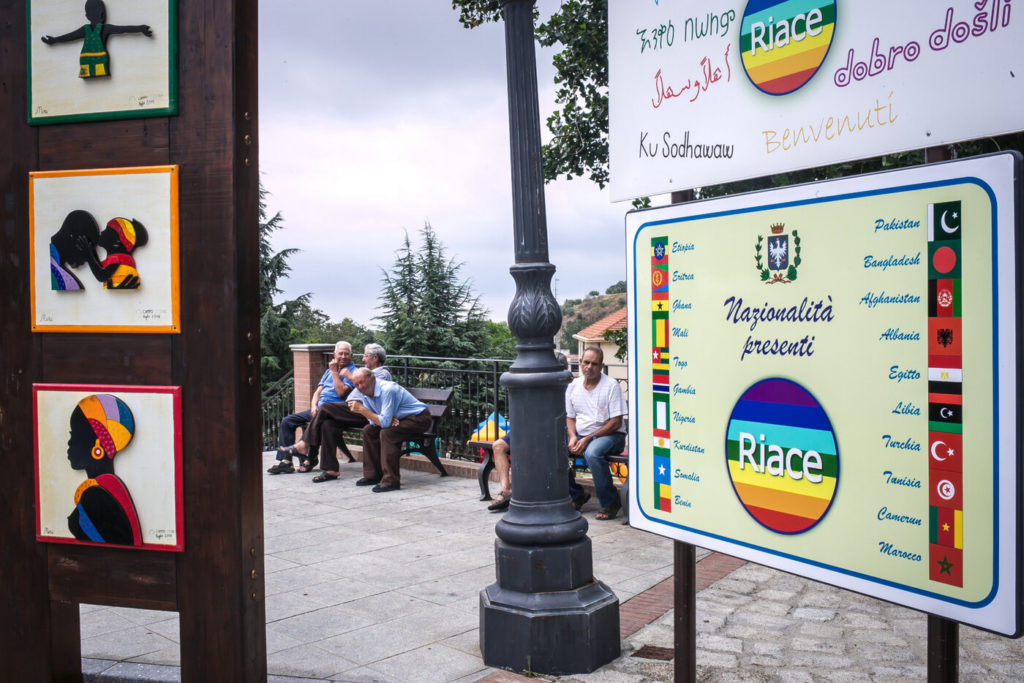
It is said that over the years more than 6,000 refugees from about 20 nations have come through Riace. Only a few stayed, many want­ed or had to move on. The sign that stood at the entrance of the town dur­ing the reign of Domeni­co Lucano is an expres­sion of this diver­si­ty. © Nico­la Zolin
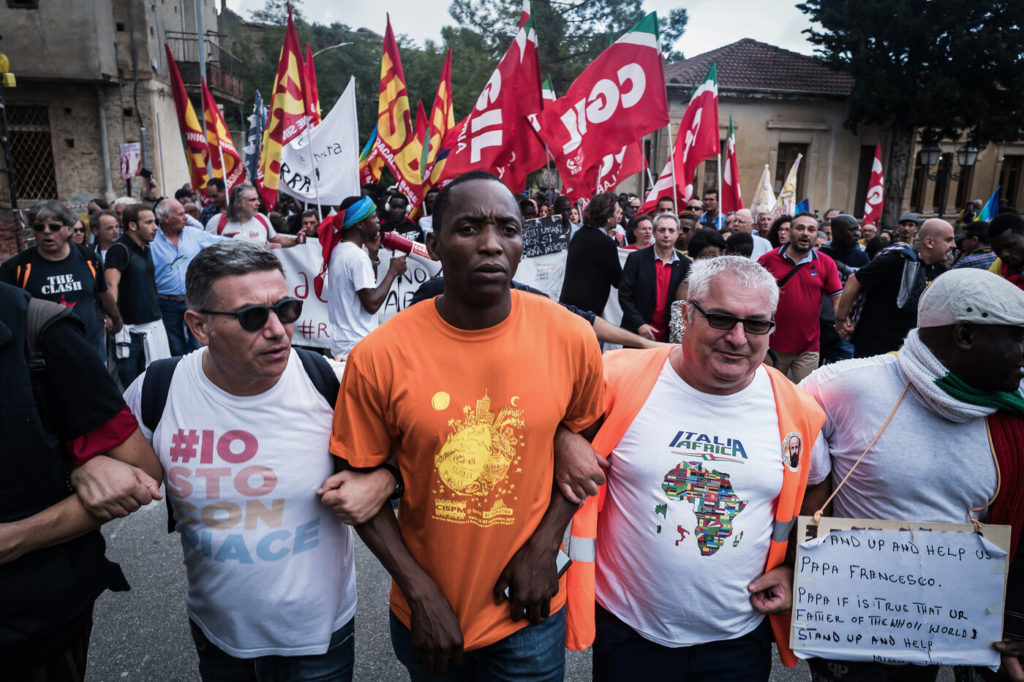
6,000 peo­ple protest against the arrest of Domeni­co Lucano. © Nico­la Zolin

/* Custom Archives Functions Go Below this line */ /* Custom Archives Functions Go Above this line */

Small Fortified Buildings

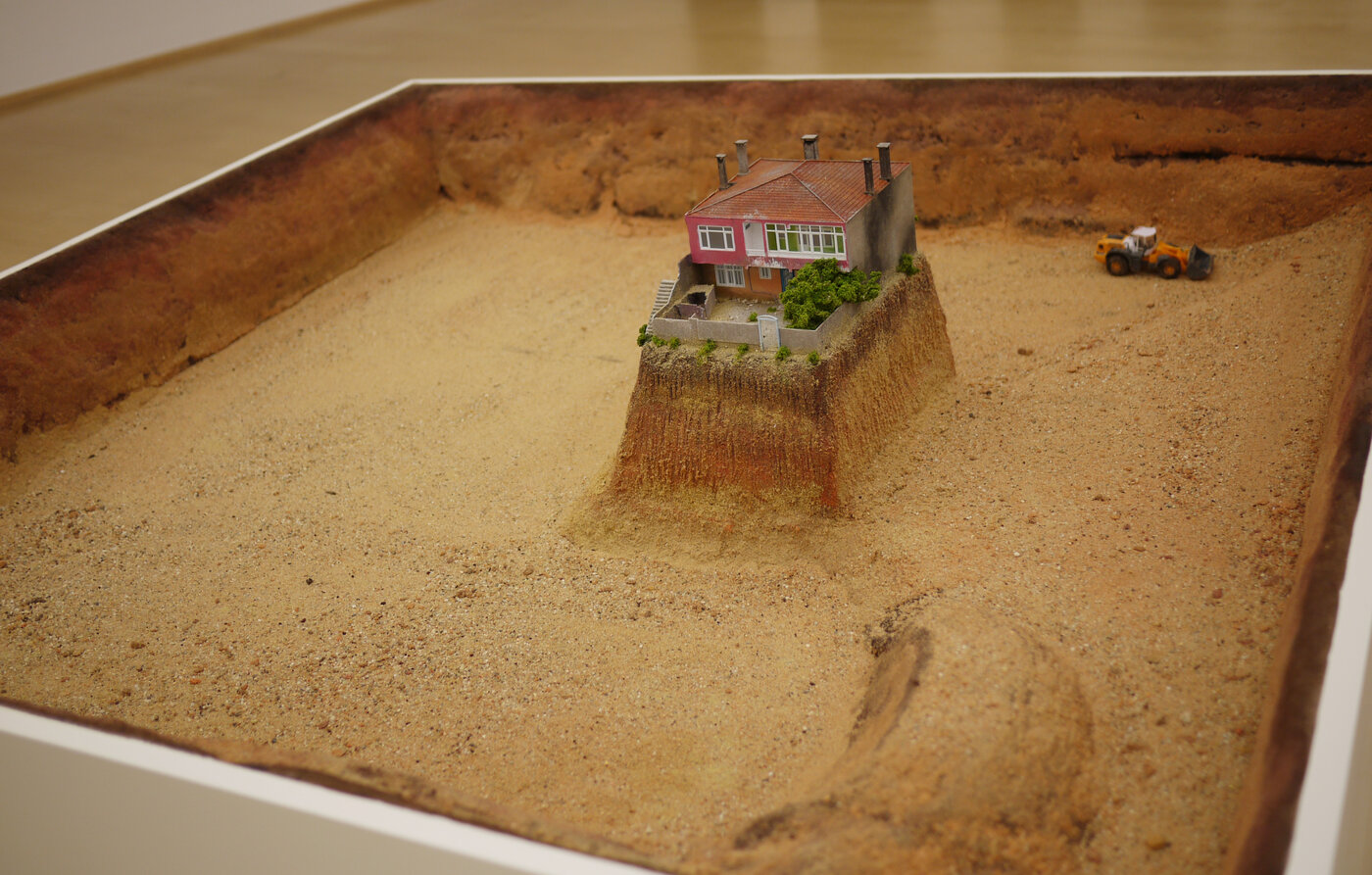
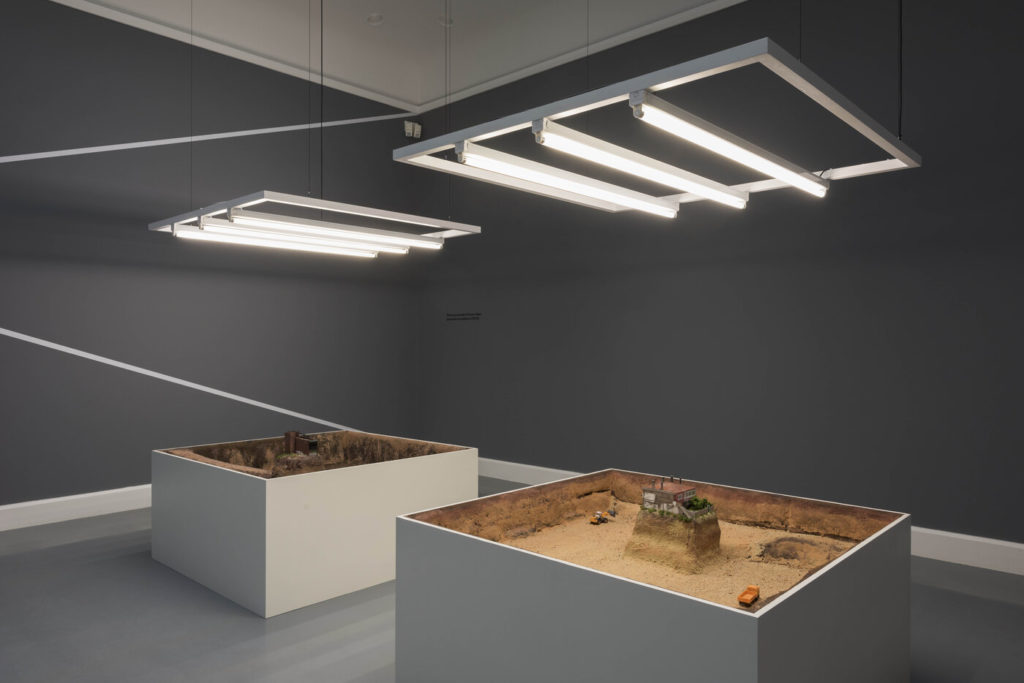
The iso­lat­ed house stands like a bas­tion against the changes of the Istan­bul dis­trict Fikirte­pe decid­ed by the author­i­ties. Ahmet Öğüt, Plea­sure Places of All Kinds; Fikirte­pe Quar­ter, sculp­ture, 150×150×70 cm, 2014 © pri­vate col­lec­tion, Amsterdam

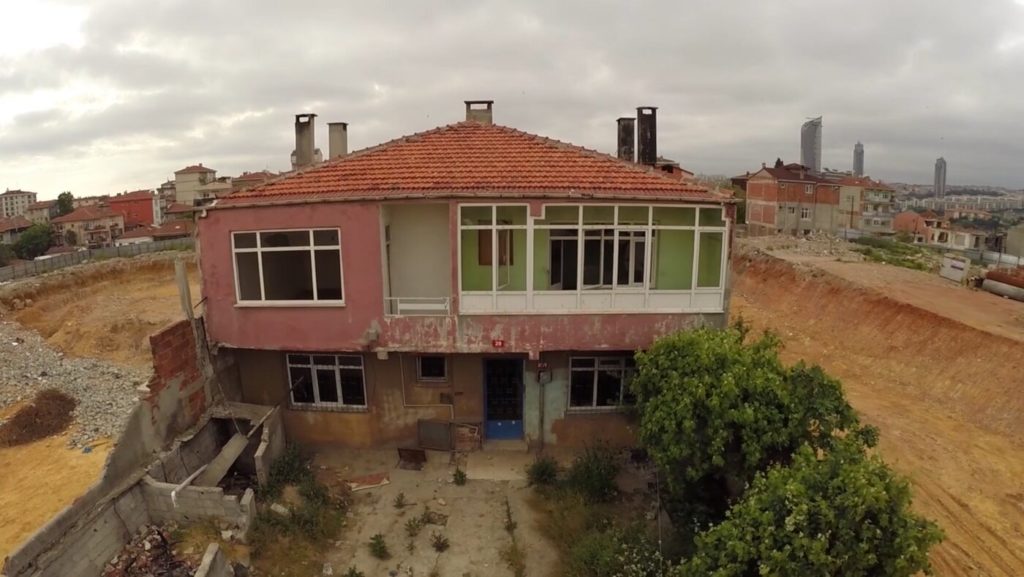
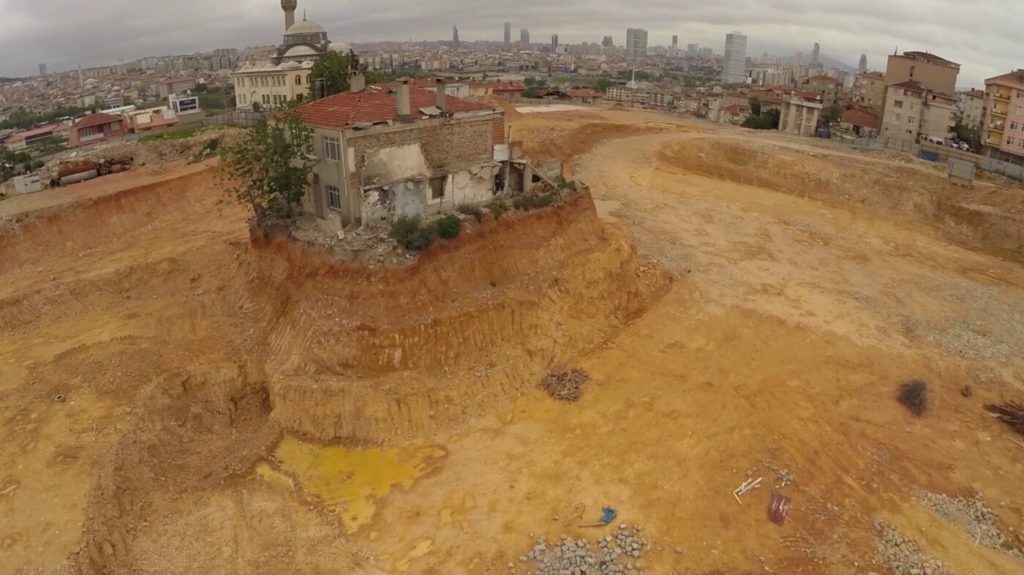
We peer into a pit dug deep into the ground. In the mid­dle: a last iso­lat­ed house on a mas­sive clump of earth. Nail hous­es, that’s what these structures—left in appar­ent wastelands—are called. For Ahmet Öğüt, these hous­es are »expres­sions of indi­vid­ual every­day resis­tance against strate­gies of state or cor­po­rate con­straint.« They are rem­nants of hasty urban­iza­tion process­es and, at the same time, speak of dis­place­ment. Öğüt’s mod­el rep­re­sen­ta­tions of the nail hous­es record this state of things as a warn­ing. And so, resis­tance to the relent­less glob­al real estate indus­try and spec­u­la­tive land devel­op­ment is made vis­i­ble in the long term and thus nego­tiable for others.


Pro­jekt

Plea­sure Places of All Kinds


Artist

Ahmet Öğüt


Year

2014


Loca­tion

Istan­bul, Turkey

Ahmet Öğüt, Plea­sure Places of All Kinds © Ahmet Öğüt
Instal­la­tion view of a nail house, Istan­bul. Since a law was passed in 2012, res­i­den­tial build­ings that do not meet the earth­quake safe­ty reg­u­la­tions may be demol­ished. In the Istan­bul dis­trict of Fikirte­pe, many thou­sands of hous­es, many of which were home-built with the tac­it approval of the author­i­ties, have been affect­ed by the demo­li­tion due to the accom­pa­ny­ing urban trans­for­ma­tion process­es. These changes have been cre­at­ing immense con­flicts between res­i­dents of the quar­ter and the city admin­is­tra­tion or real estate com­pa­nies for years. Ahmet Ögüt, Plea­sure Places Of All Kinds, Fikirte­pe Quar­ter, sculp­ture, 150×150×70cm, 2014. pri­vate col­lec­tion, Ams­ter­dam. Exhi­bi­tion view Van Abbe­mu­se­um, Eind­hoven © Peter Cox

/* Custom Archives Functions Go Below this line */ /* Custom Archives Functions Go Above this line */

From Wasteland to Neighborhood Local

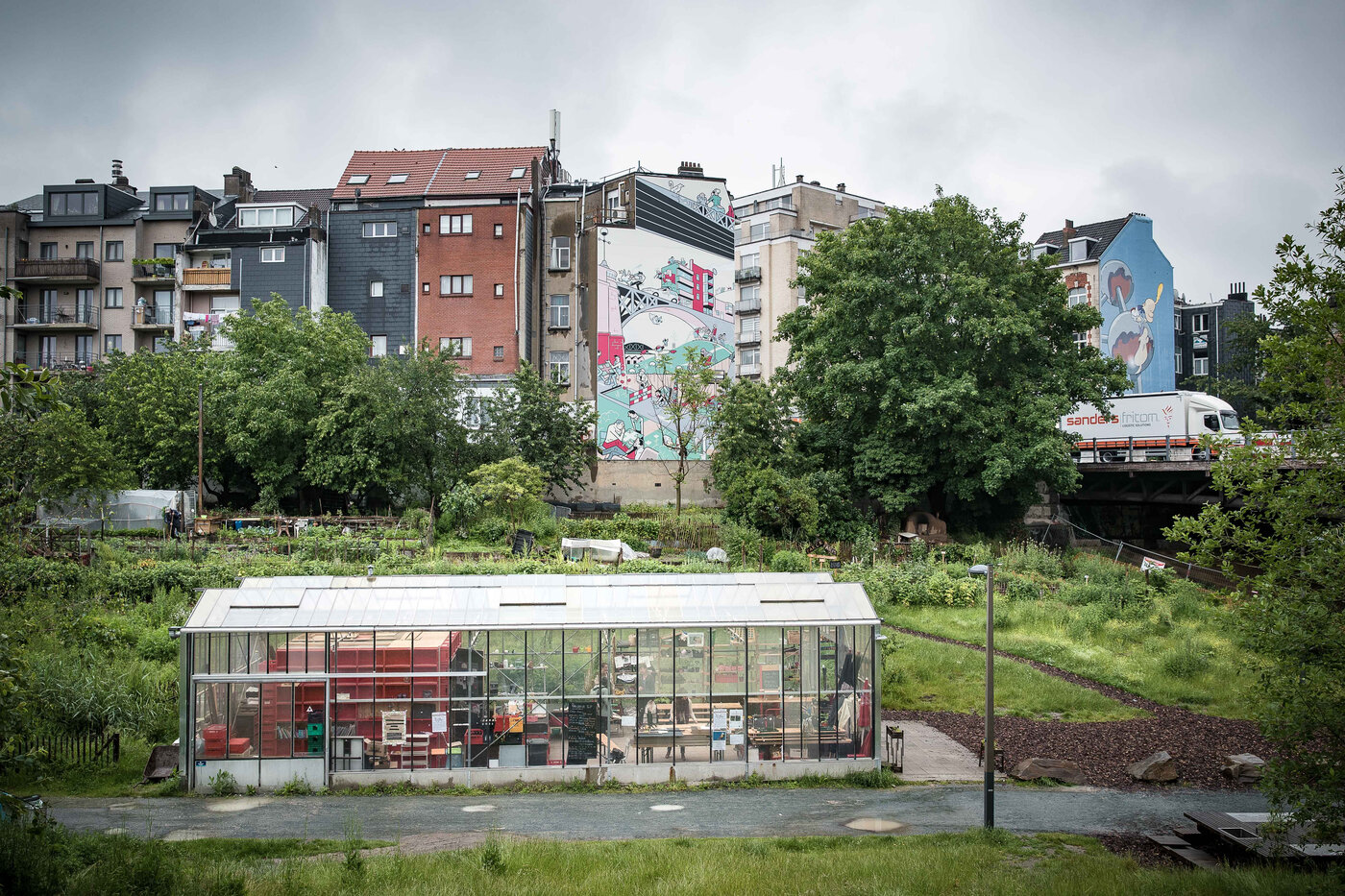
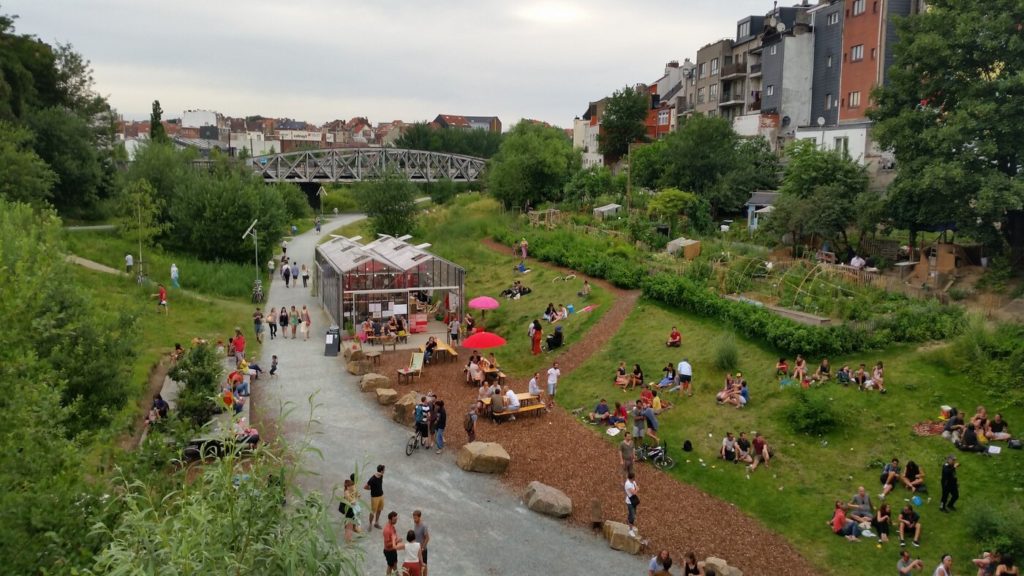
The so-called Farm­House is con­sid­ered the heart of Par­ck­farm. The sec­ond-hand green­house was moved from the Nether­lands to Brus­sels. Today, it serves as a place for meet­ings, cook­ing, and eat­ing. One of the ini­tia­tors was the design office 1010 Archi­tec­ture Urban­ism, which man­aged the par­tic­i­pa­to­ry build­ing process in coop­er­a­tion with the JES and Yota! orga­ni­za­tions. © Rossel & Cie — Bruno D’Alimonte

In the north of Brus­sels, sur­round­ed by streets and yet almost hard to find, a small par­adise has emerged. In 2013, a diverse team put an idea into prac­tice: they com­bined the spe­cial and unique fea­tures of a park with urban agri­cul­ture and micro-farm­ing. Involved were local ini­tia­tives and groups that had been using the fringes of the fal­low land for some time for the col­lec­tive cul­ti­va­tion of fruit and veg­eta­bles, small ani­mal hus­bandry, and pigeon­ries. The result­ing location—Parckfarm—still brings the neigh­bor­hood togeth­er today. Dif­fer­ent actors orga­nize var­i­ous activ­i­ties, work­shops, gar­den­ing, and debates. How­ev­er, a land use plan for the area is now in place. Neigh­bor­hood asso­ci­a­tions and ini­tia­tives see access to and use of the park as threatened.


Project

Par­ck­farm


Actors

Par­ck­farm T&T asbl, asso­ci­a­tion and coor­di­na­tion; res­i­dents of the neigh­bor­hoods, ini­tia­tives and col­lab­o­ra­tion; Alive Archi­tec­ture and Tak­tyk, cocu­ra­tion; IBGE — Insti­tut Brux­el­lois pour la Ges­tion de l’Environnement, com­mis­sion and co Winancing


Year

Since 2014, open­ing at the Par­ck­de­sign Biennale


Loca­tion

Brus­sels, Belgium

Par­ck­farm was ini­tial­ly planned for only five months, but thanks to the ini­tia­tive of numer­ous res­i­dents and oth­er sup­port­ers, it still exists six years lat­er. © Par­ck­farm T&T
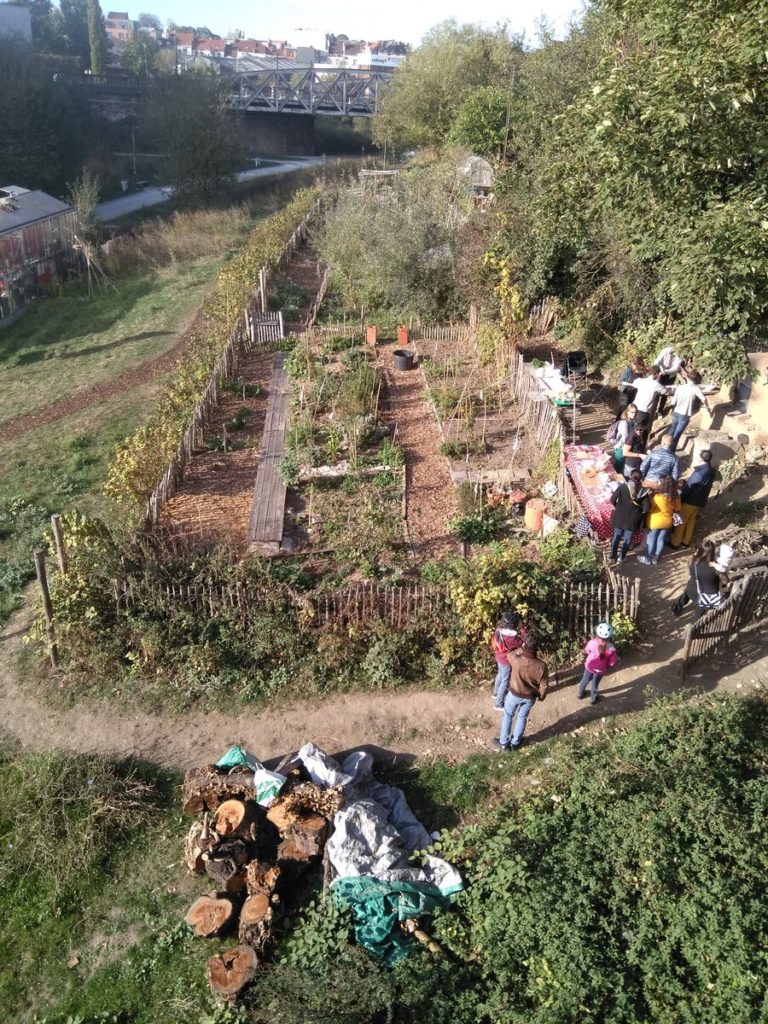
Peo­ple from the neigh­bor­hood come togeth­er on-site to grow fruit and veg­eta­bles. Bees, chick­ens, ducks, and sheep are also kept. © Par­ck­farm T&T
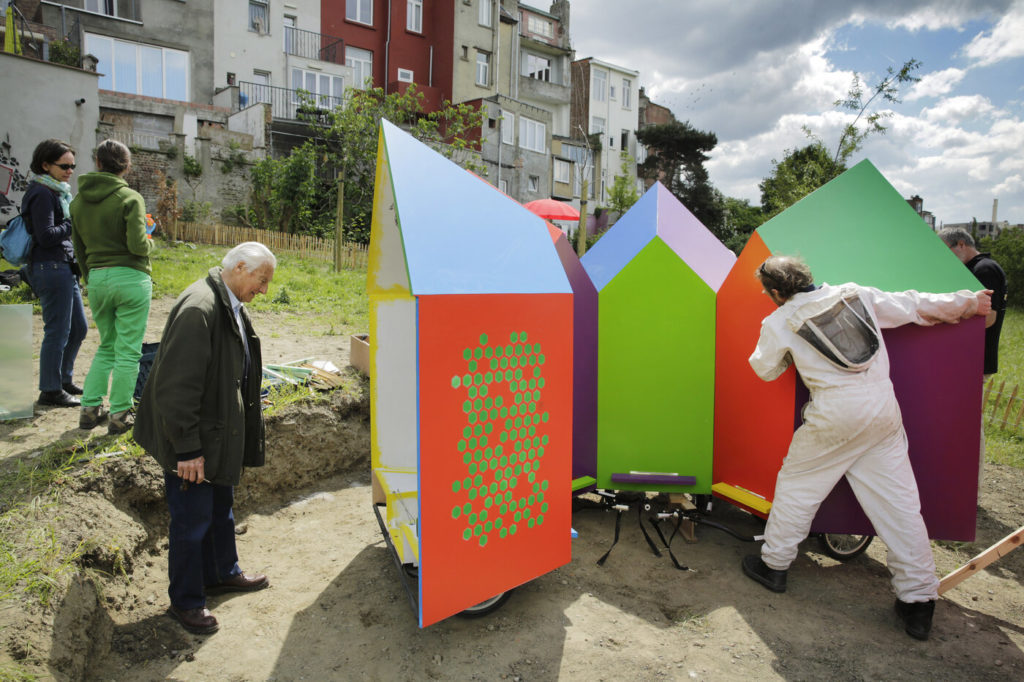
The col­or­ful bee-cars or bee-wag­ons, which can be pulled by a bicy­cle, were devel­oped by the Roy­al Bee­keep­ing Soci­ety of Brus­sels and Sur­round­ings (SRABE). Bee­keep­ers like Mok­tar pro­duce and sell their hon­ey here. Vis­i­tors can tour the bee colonies and learn more about the crit­i­cal role these insects play in our liv­ing envi­ron­ment. © Dieter Telemans

/* Custom Archives Functions Go Below this line */ /* Custom Archives Functions Go Above this line */