A Refugee Hotel in the Heart of Athens

We Are City Plaza, Claude Somot & Xiao­fu Wang © Samir

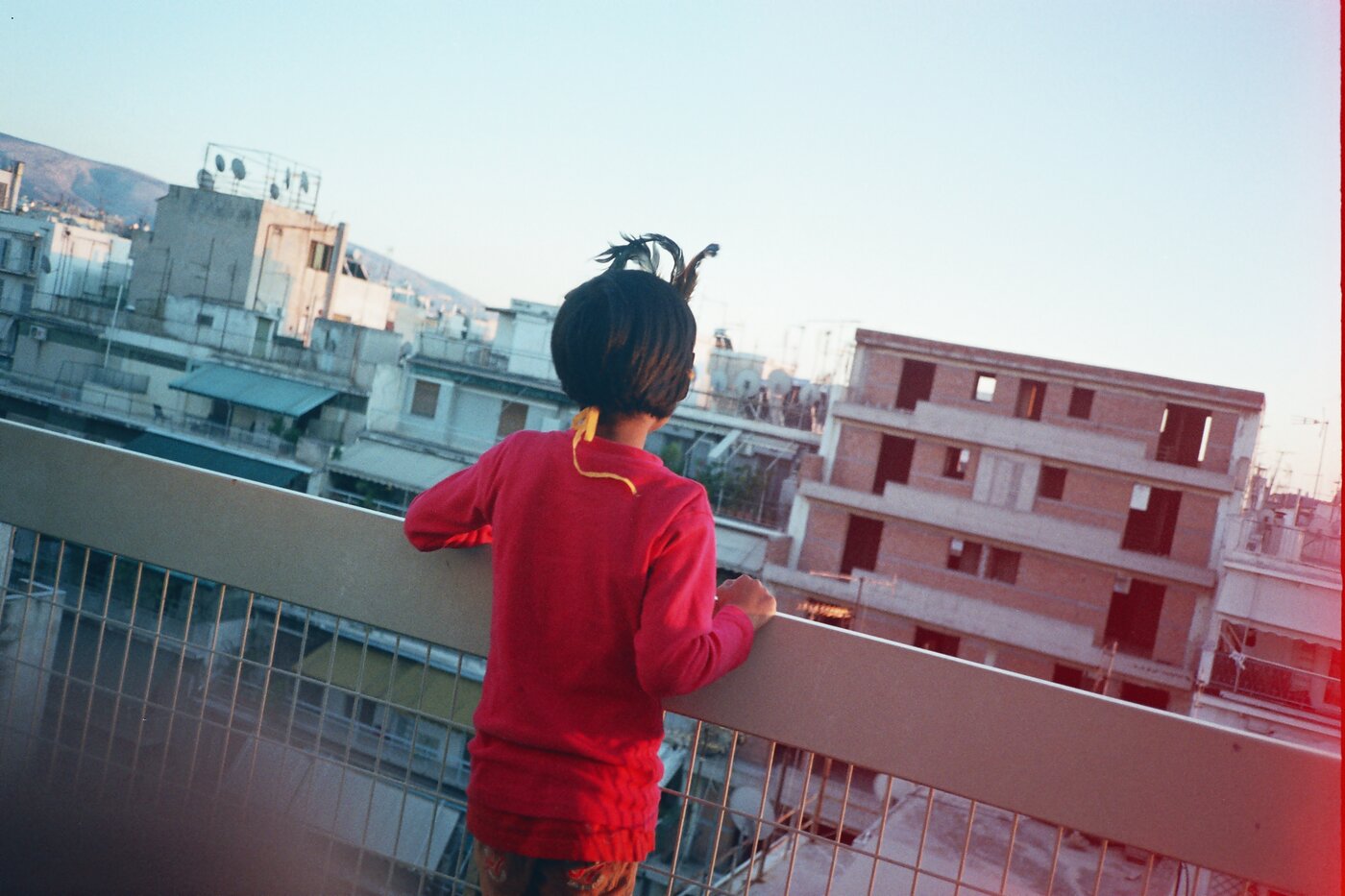
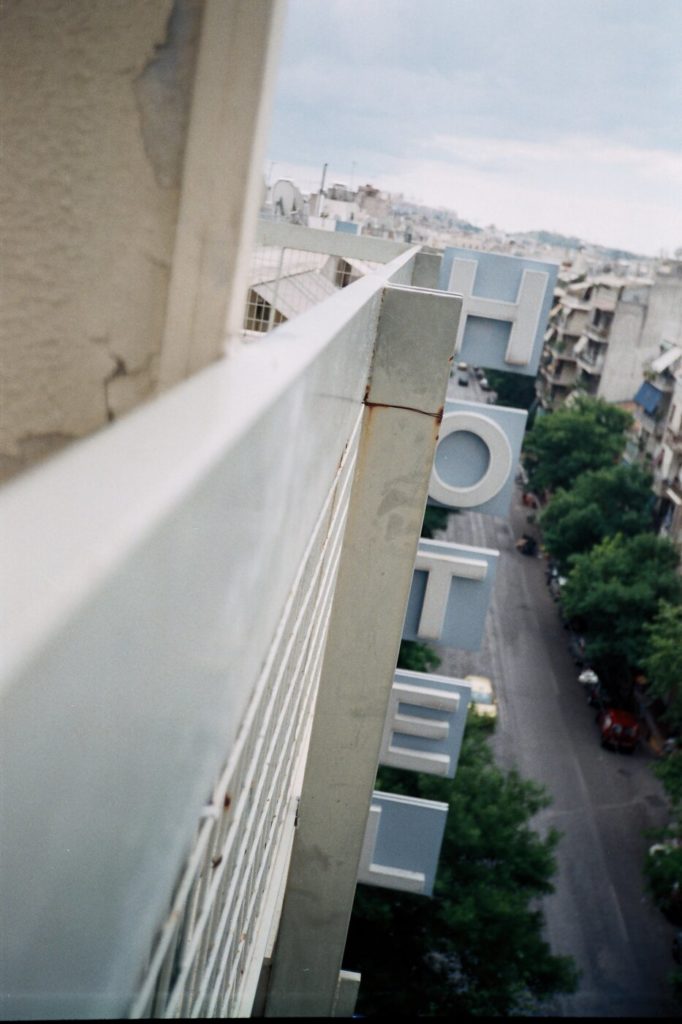
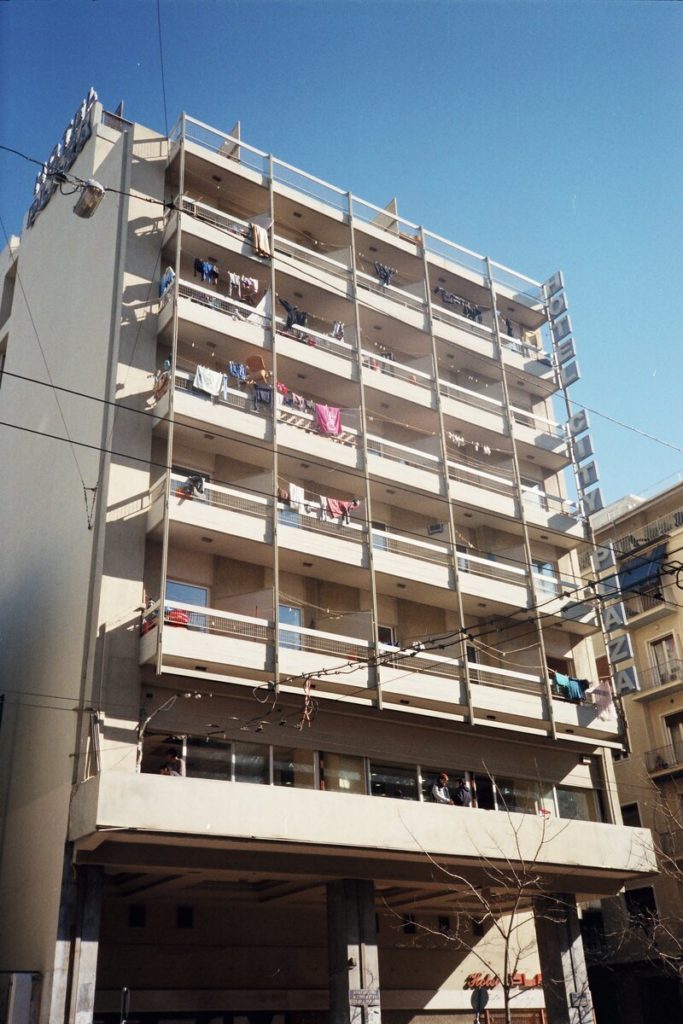
The City Plaza Hotel in Athens’ Vic­to­ria dis­trict stood emp­ty for a long time. In April 2016, an ini­tia­tive, togeth­er with strand­ed refugees from Iraq, Afghanistan, Syr­ia, and many oth­er places, occu­pied the build­ing. They trans­formed the 126-room ex-hotel into a res­i­den­tial com­plex and man­aged it them­selves. In doing so, the project is a demon­stra­tion of the prac­tice of eco­nom­ic and polit­i­cal sol­i­dar­i­ty with refugees. Thus, it was also a cen­ter for the fight against racism, bor­ders, repres­sive migra­tion poli­cies, and social exclu­sion. After thir­ty-six months, the exper­i­ment came to an end in 2019. Despite the project’s brevi­ty, this build­ing in cen­tral Athens, as well as the activ­i­ties that unfold­ed there, rep­re­sent crit­i­cal­ly impor­tant top­ics to all of us—and not only in times of crisis.


Project

City Plaza Hotel


Actors

Sol­i­dar­i­ty Ini­tia­tive for Eco­nom­ic and Polit­i­cal Refugees, orga­ni­za­tion; Claude Somot, pho­tog­ra­ph­er and cura­tor of We Are City Plaza; Xiao­fu Wang, pho­tog­ra­ph­er and cura­tor of We Are City Plaza


Year

2016—2019


Loca­tion

Athens, Greece

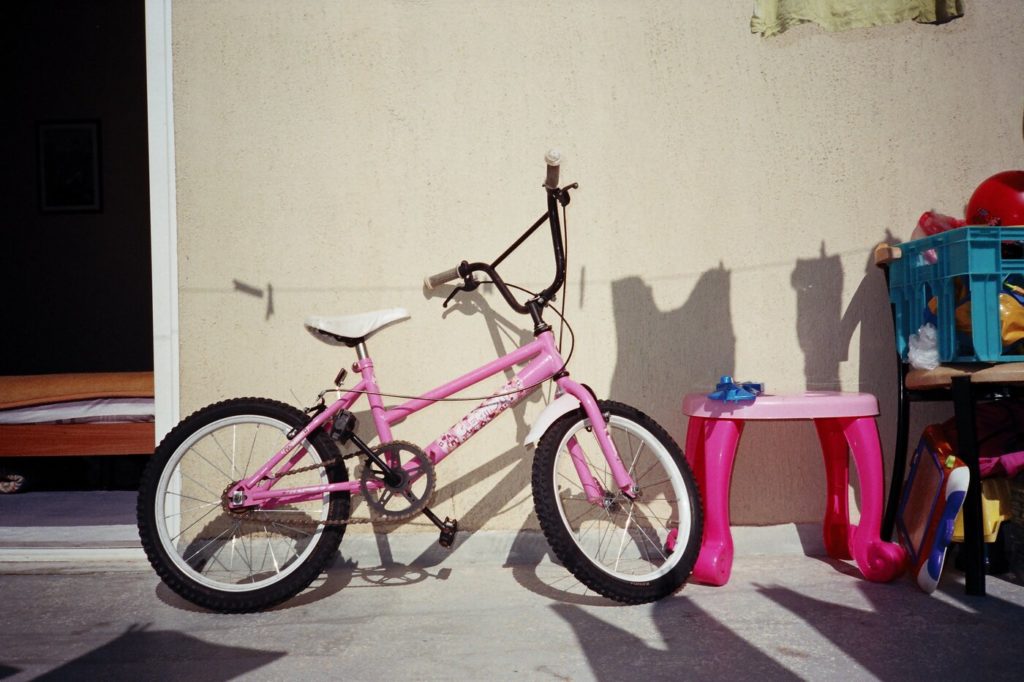
We are City Plaza is a project of the French pho­tog­ra­ph­er Claude Somot and the Chi­nese pho­tog­ra­ph­er Xiao­fu Wang. For a peri­od of two weeks they lent cam­eras to 18 res­i­dents of the squat­ted hotel aged between 8 and 38 years. They took pic­tures of their dai­ly lives, which are shown here in excerpts. We Are City Plaza, Claude Somot & Xiao­fu Wang © Ali
We Are City Plaza, Claude Somot & Xiao­fu Wang © Hassan
The City Plaza Hotel in Athens was occu­pied by activists between 2016 and 2019 to pro­vide safe and dig­ni­fied accom­mo­da­tion for peo­ple on the run. The self-man­aged project was financed exclu­sive­ly from pri­vate funds and was sup­port­ed by sol­i­dar­i­ty. With­in a very short time, it estab­lished itself as a cen­ter for the fight against social exclu­sion and racism. We Are City Plaza, Claude Somot & Xiao­fu Wang © Abbas

/* Custom Archives Functions Go Below this line */ /* Custom Archives Functions Go Above this line */

From Locomotive Workshop to Library

© Sti­jn Bollaert

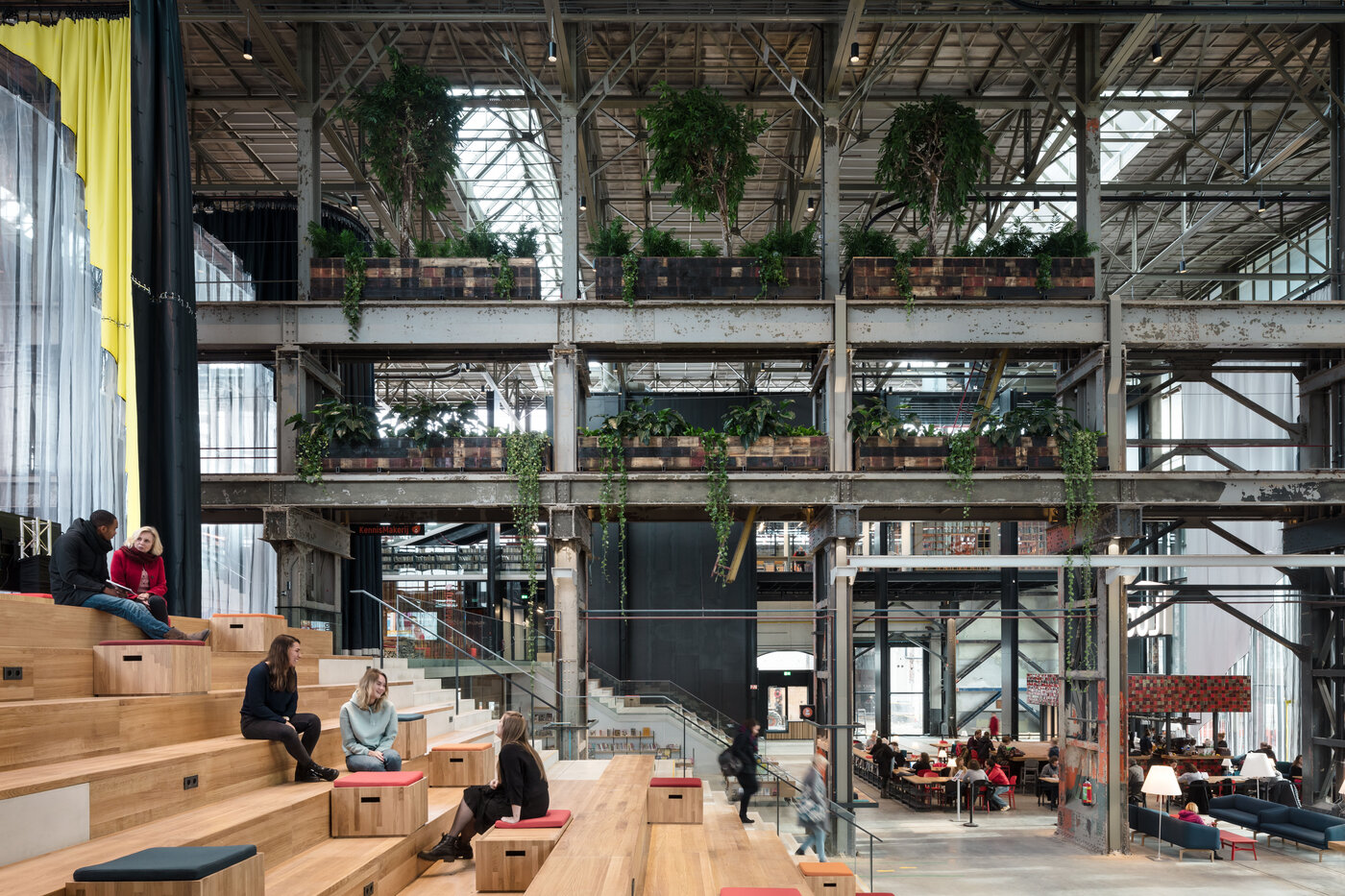
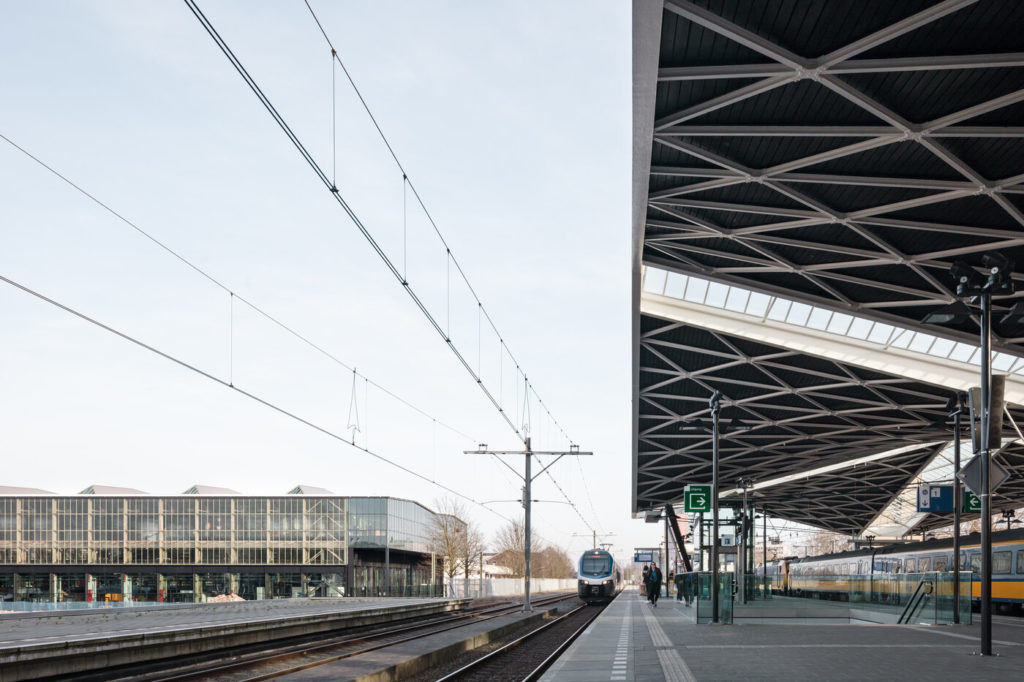
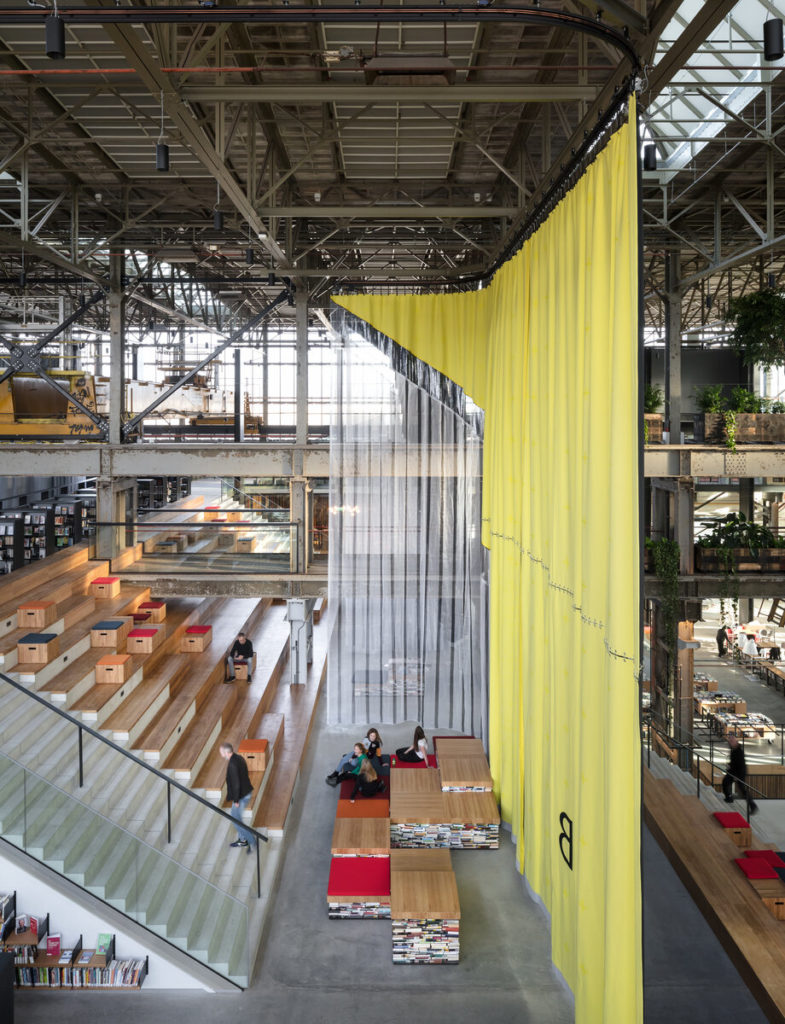
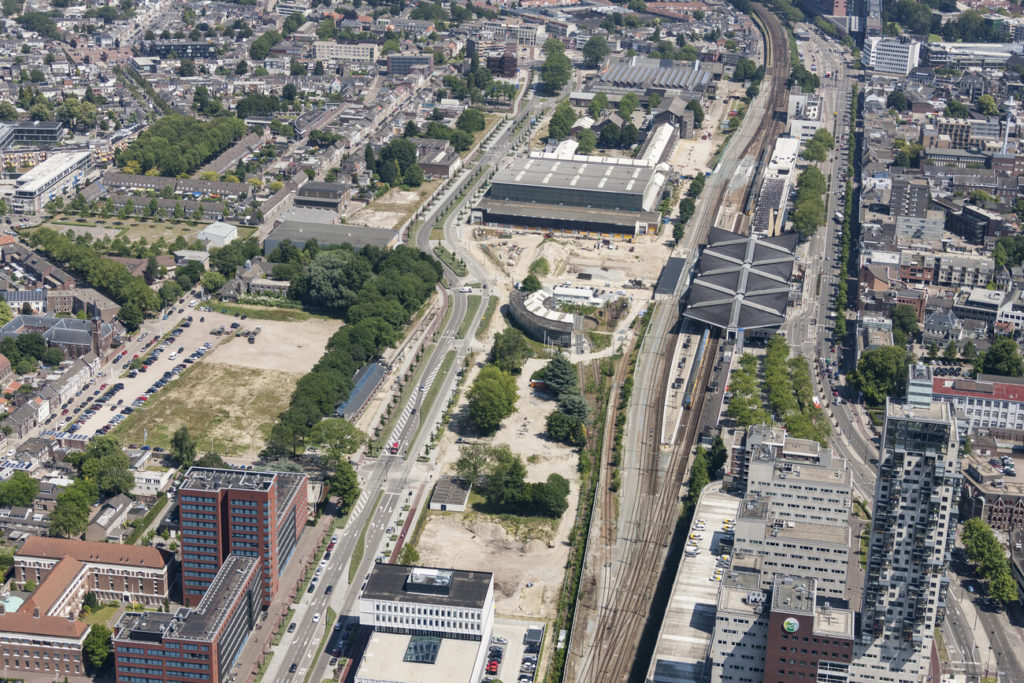
In 2009, the munic­i­pal­i­ty of Tilburg, togeth­er with two large real estate and con­struc­tion groups, acquired a mas­sive plot direct­ly behind the main rail­way sta­tion. The orig­i­nal plan was to demol­ish exist­ing build­ings, such as the for­mer loco­mo­tive hall, or LocHal for short, and to con­struct huge office and apart­ment com­plex­es. How­ev­er, the deci­sion was reversed. Instead of demo­li­tion, rede­vel­op­ment and con­ver­sions took root. And so, in 2019, the munic­i­pal library—which is much more than just a col­lec­tion of books—opened here. Its glass hall pro­tects an inner-city square with a café and open stair­case. There are also archives, offices, as well as event rooms and, on the perime­ters, work­shop areas and small meet­ing rooms. The many peo­ple who use the build­ing for a wide range of activ­i­ties make it clear that pub­lic space will con­tin­ue to play an essen­tial role in the future.


Project

LocHal


Actors

CIVIC Archi­tects, Braaks­ma & Roos archi­tecten­bu­reau, Inside Out­side / Petra Blaisse, Mecanoo, archi­tects; Gemeente Tilburg, De Bib­lio­theek Mid­den-Bra­bant, Kun­st­loc Bra­bant, commission


Year

Since 2019


Loca­tion

Tilburg Nether­lands

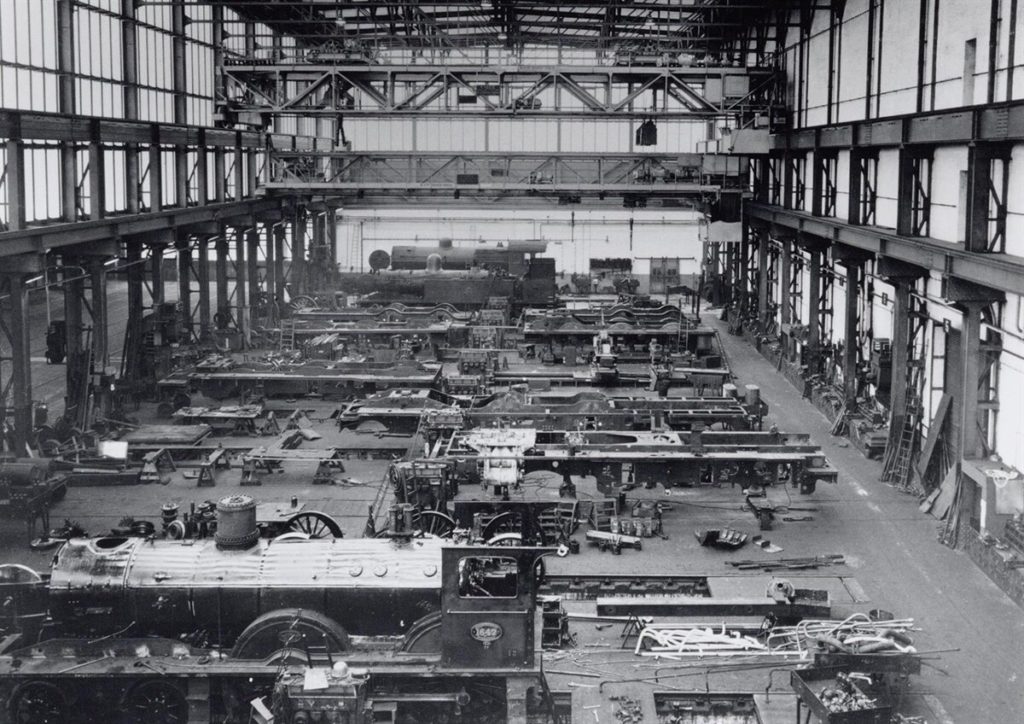
The for­mer work­shop where loco­mo­tives were assem­bled and main­tained. Archive image © Civic Architects
© Sti­jn Bollaert
© Sti­jn Bollaert
Aer­i­al pic­ture of the rail­road area in the Dutch city of Tilburg. © Karel Tomei

/* Custom Archives Functions Go Below this line */ /* Custom Archives Functions Go Above this line */

Diversity in Club Culture

© Ceren Saner

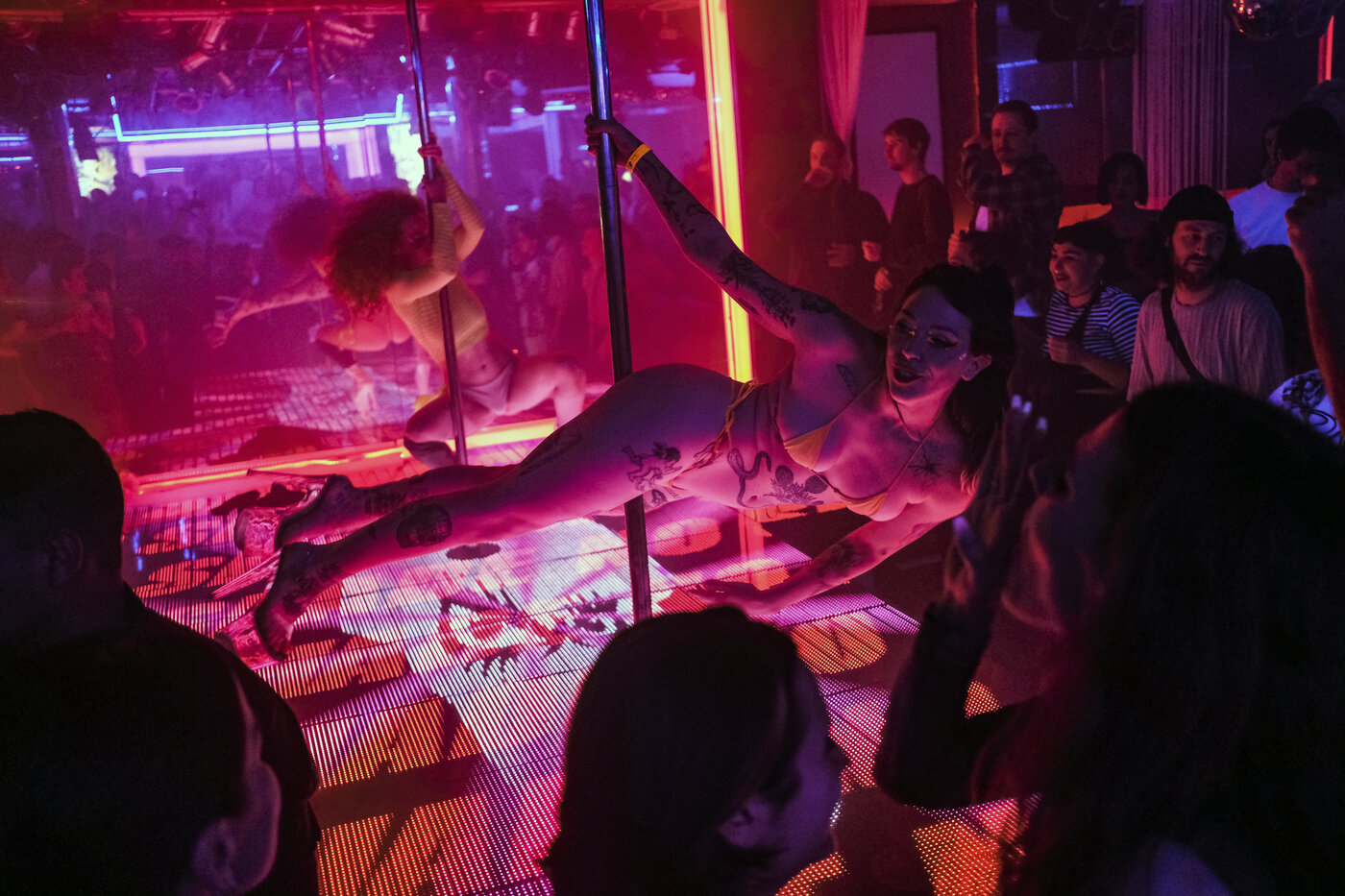
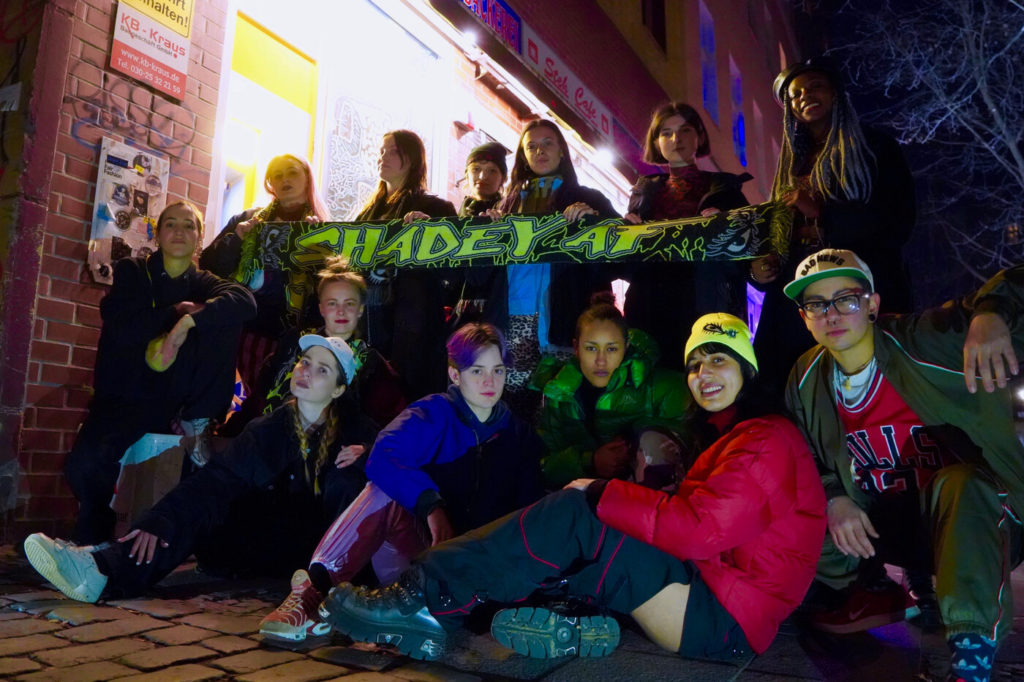
The young Berlin col­lec­tive No Shade seeks to change the music and club scene in the long run. For exam­ple, they strive to increase the rep­re­sen­ta­tion of female, non-bina­ry, and trans DJs and visu­al artists in the club scene through the orga­ni­za­tion of a reg­u­lar club night and a series of train­ing pro­grams. The col­lec­tive also wants to bet­ter net­work the var­i­ous com­mu­ni­ties, crews, and club-goers to build a more sol­id foun­da­tion. These net­works, sup­port mech­a­nisms, and tools are essen­tial for keep­ing the some­times frag­ile, often pre­car­i­ous, fre­quent­ly iso­lat­ed, and most­ly par­al­lel-exist­ing sys­tems alive and fur­ther strength­en them by cre­at­ing moments of solidarity.


Project

No Shade


Actors

41issa, Ace of Dia­monds, AUCO, Bad Juju, Ceekayin2u, Fol­ly Ghost, Fores­ta, GODxXx Noir­philes, Grinder Teeth, Hunni’d Jaws, Kikelo­mo, LINN.A, Panasi­a­girl, Per­i­fa, Poly Maze, Sara Fumaça, members


Year

Since 2018


Loca­tion

Berlin, Ger­many

© No Shade
© No Shade

/* Custom Archives Functions Go Below this line */ /* Custom Archives Functions Go Above this line */

Tracing Colonial Histories

© The Black Archives

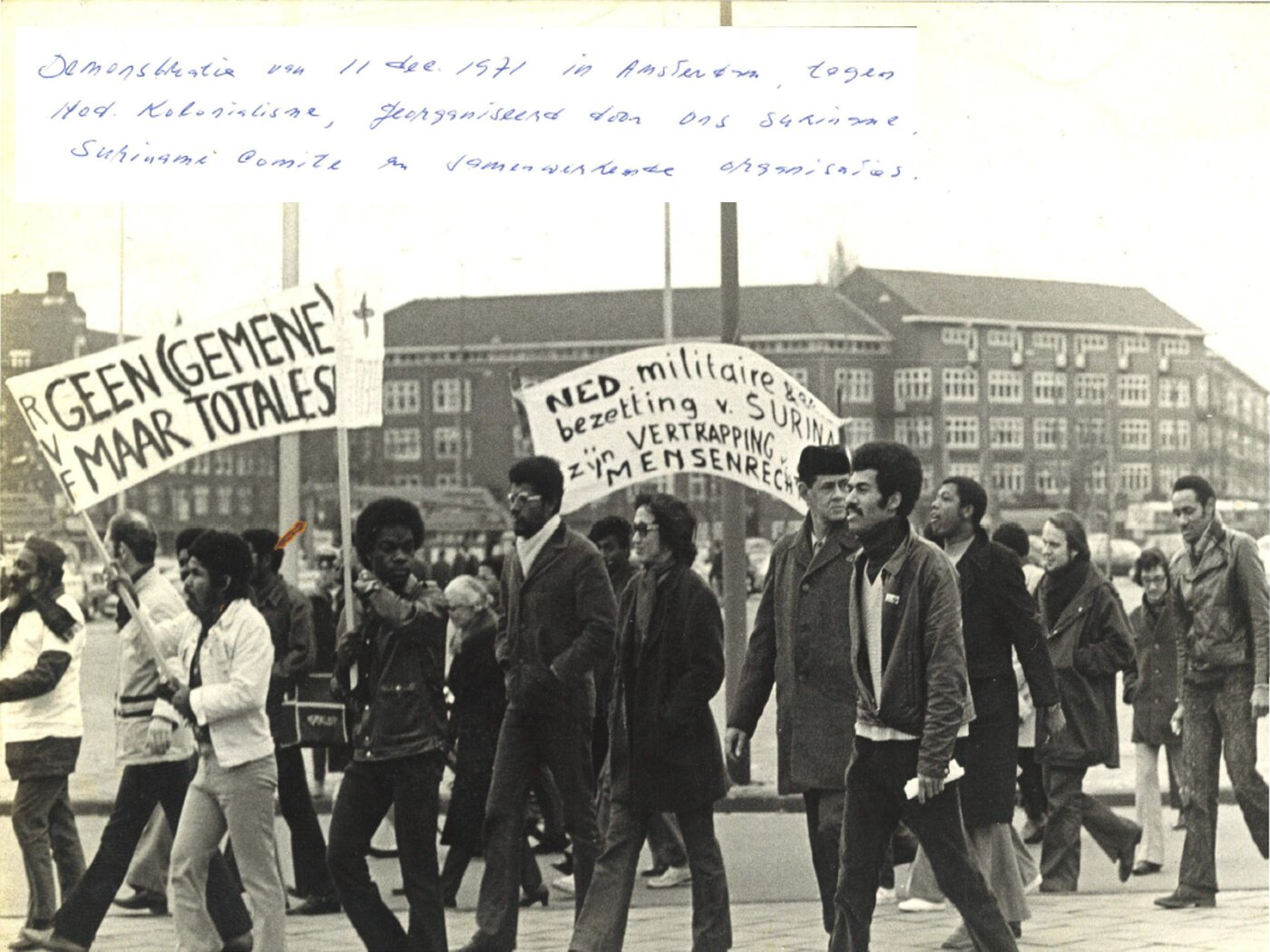
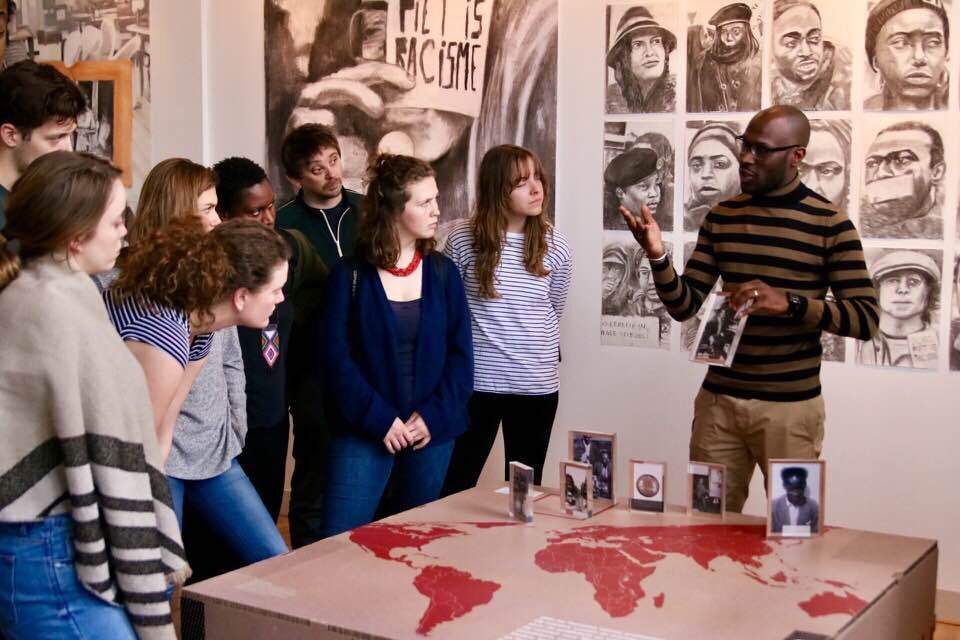
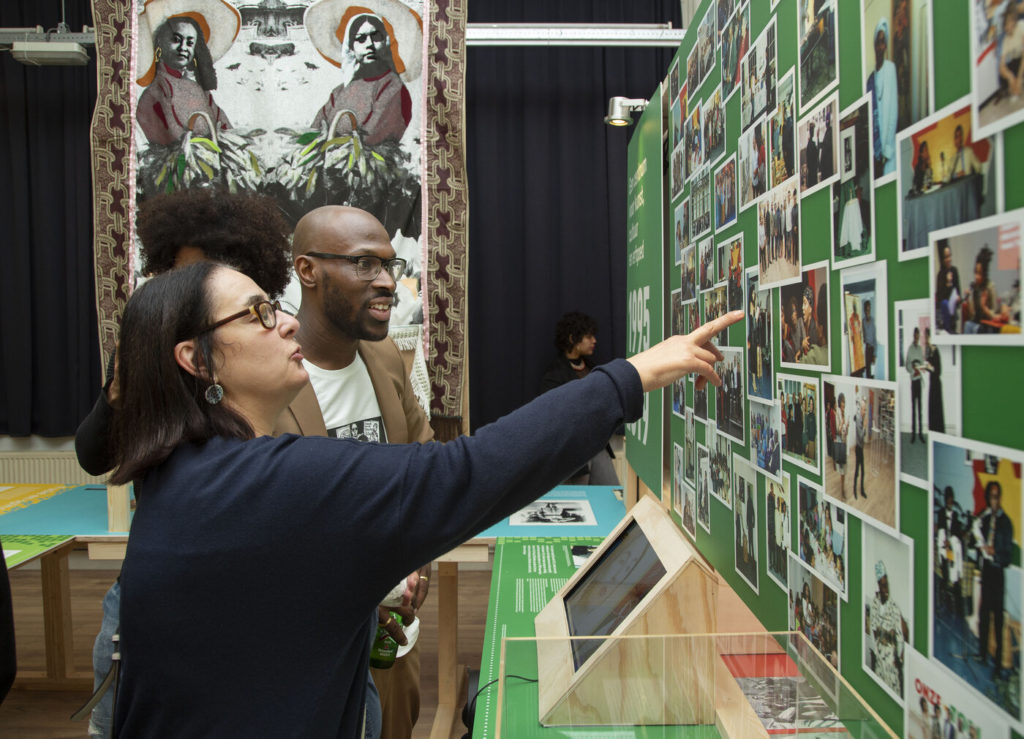
For about five years, an archive has exist­ed in Ams­ter­dam, reveal­ing that which is buried and rarely told. It makes vis­i­ble (again) erad­i­cat­ed and sup­pressed voic­es, his­to­ries, and sto­ries. Build­ing on the lega­cy of the Suri­nam-born and lat­er Ams­ter­dam-based social sci­en­tist Wal­do Heil­bron, a cen­ter for (post)colonial his­to­ry was estab­lished. From this base, hege­mon­ic and Euro-cen­tric his­to­ri­og­ra­phy is expand­ed upon with oth­er aspects, data, and facts that paint a more dif­fer­en­ti­at­ed and mul­ti-per­spec­ti­val image of glob­al devel­op­ments over the last 400 years. As a place for col­lect­ing, research­ing, medi­at­ing, and pro­duc­ing knowl­edge, The Black Archives demon­strates how his­to­ry can be ori­ent­ed dif­fer­ent­ly and, step by step, sup­ple­ment­ed and expand­ed with exact­ly those miss­ing and sup­pressed voices.


Project

The Black Archives


Actors

Jes­si­ca de Abreu, Mitchell Esa­jas, Miguel Heil­bron, Thiemo Heilbron


Year

Since 2015


Loca­tion

Ams­ter­dam, Netherlands

© Mar­i­on Visser
© The Black Archives

/* Custom Archives Functions Go Below this line */ /* Custom Archives Functions Go Above this line */

Technical Assistance for an Informal Settlement

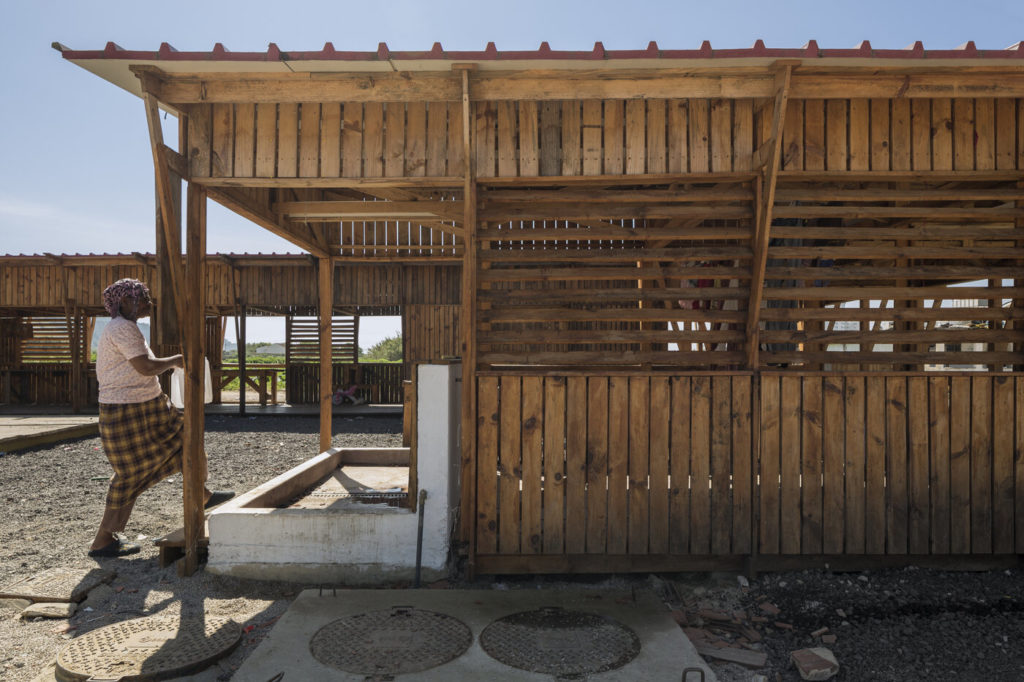
The work with the neigh­bor­hood of Ter­ras da Cos­ta is not an iso­lat­ed case for ate­lier­mob. For a long time now, the office has been work­ing on sim­i­lar neigh­bor­hoods, advo­cat­ing bet­ter equipped, legal hous­ing for peo­ple in infor­mal set­tle­ments and pro­vid­ing tech­ni­cal assis­tance. The archi­tects see this work as an exten­sion of the archi­tec­tur­al pro­fes­sion, which so often only cares about for­mal and aes­thet­ic mat­ters, but com­plete­ly ignores social and eco­nom­ic rela­tion­ships. © Fer­nan­do Guerra

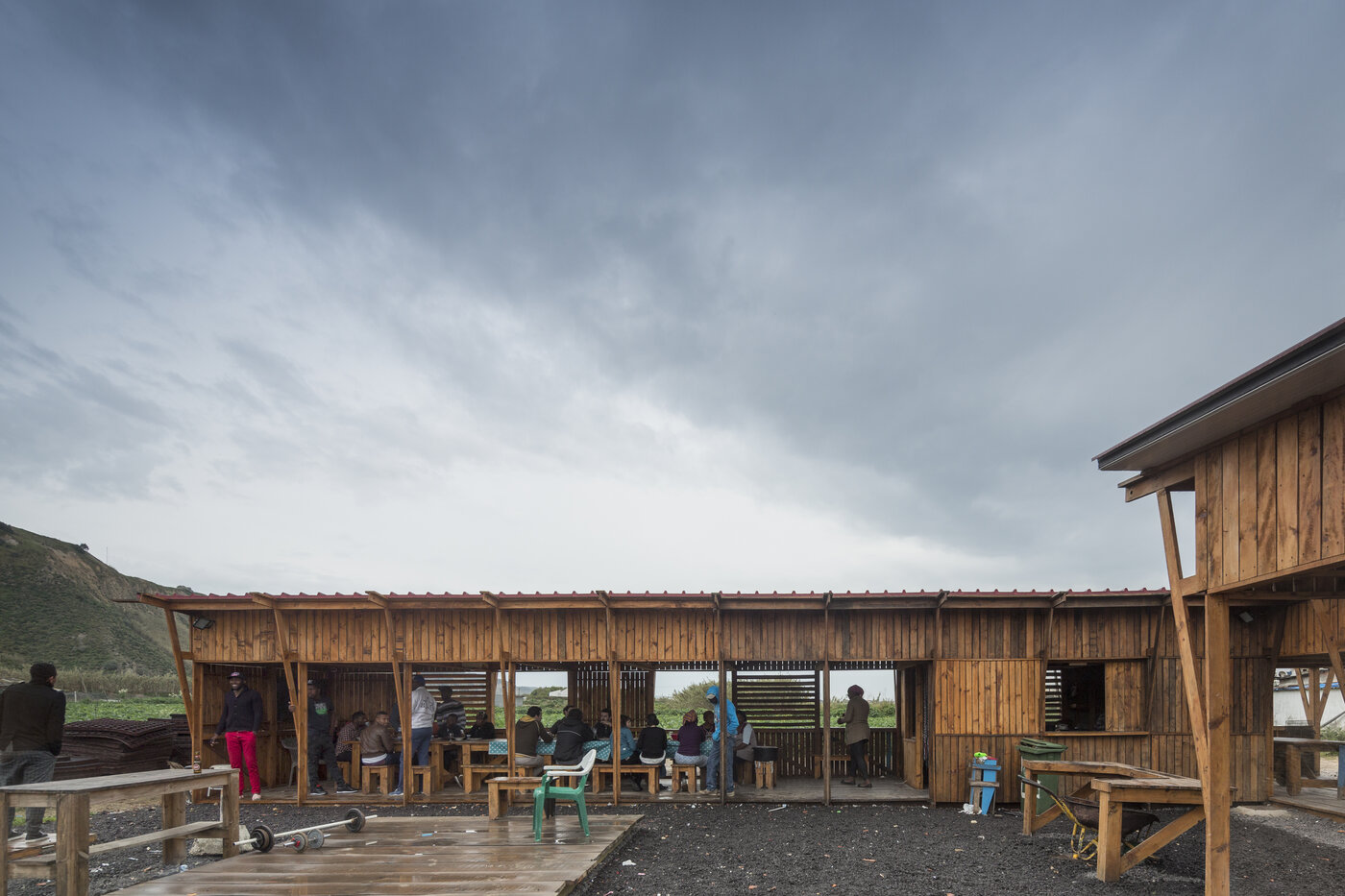
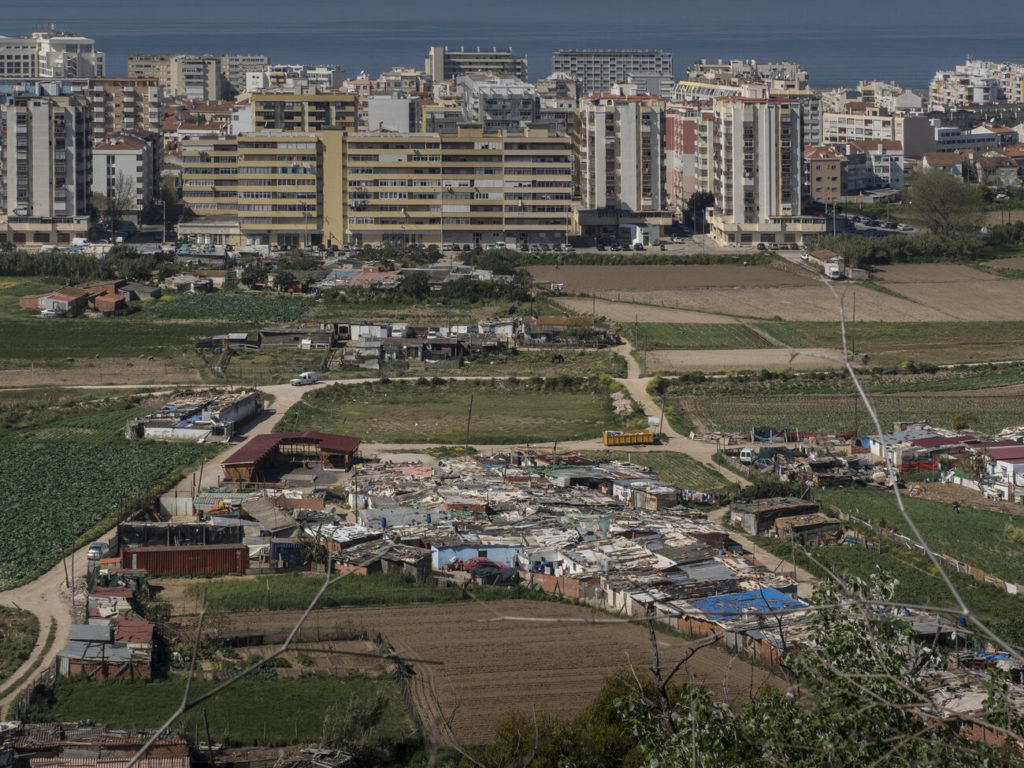
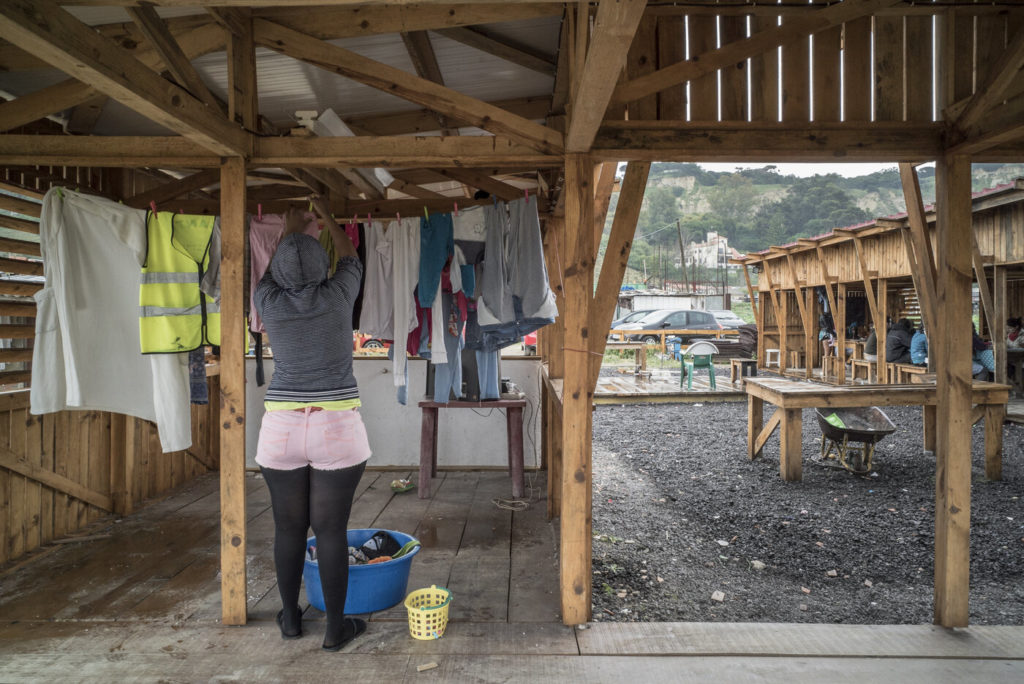
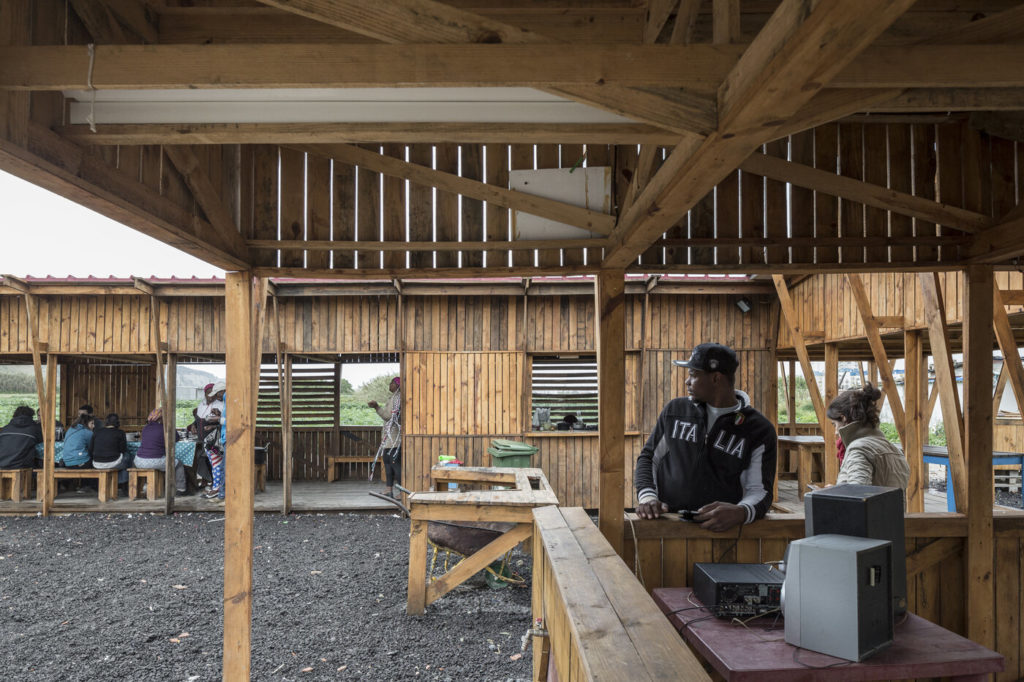
South of Lis­bon, in the hin­ter­land of hotels and apart­ment com­plex­es, is the not yet legal­ized Ter­ras da Cos­ta quar­ter. In 2012, the idea of set­ting up a com­mu­nal kitchen was born in the neigh­bor­hood. Their pro­pos­al was tied to hopes that author­i­ties would agree to install a water sup­ply and there­by start the legal­iza­tion process of the set­tle­ment. The archi­tec­tur­al office ate­lier­mob and many oth­er groups, ini­tia­tives, and indi­vid­u­als sup­port­ed this ambi­tion in var­i­ous ways. Some con­tributed their work direct­ly, oth­ers posi­tioned them­selves in sol­i­dar­i­ty, and foun­da­tions fund­ed the project. After about two years, water final­ly flowed to Ter­ras da Cos­ta. But many oth­er aspects remained unre­solved or have not been decid­ed polit­i­cal­ly, so that set­tle­ments in sim­i­lar sit­u­a­tions have to con­tin­ue the fight for their rights to the city.


Project

Coz­in­ha Comunitária das Ter­ras da Cos­ta (Com­mu­ni­ty Kitchen of Ter­ras Da Costa)


Actors

ate­lier­mob and Colec­ti­vo Ware­house, archi­tects; res­i­dents of Ter­ras da Cos­ta, con­struct­Lab, support


Year

2014


Loca­tion

Ter­ras da Cos­ta, Lis­bon, Portugal

The infor­mal set­tle­ment of Ter­ras da Cos­ta south of Lis­bon. © Fer­nan­do Guerra
The legal­iza­tion of the set­tle­ment was nev­er at issue. Instead, the neighborhood’s coop­er­a­tion with the archi­tec­tur­al bureau has result­ed in the pri­or­i­ti­za­tion of a water con­nec­tion that is polit­i­cal­ly fea­si­ble. © Fer­nan­do Guerra
The water sup­ply runs through the kitchen and serves hygiene and san­i­tary func­tions. © Fer­nan­do Guerra
© Fer­nan­do Guerra

/* Custom Archives Functions Go Below this line */ /* Custom Archives Functions Go Above this line */

A Model City of Memories and Dreams

The urban land­scape of the cos­mopoli­tan city devel­ops from about 150 hous­es, which were built by fugi­tives togeth­er with the Berlin asso­ci­a­tion Schle­sis­che 27 and oth­er orga­ni­za­tions. © Aris Kress

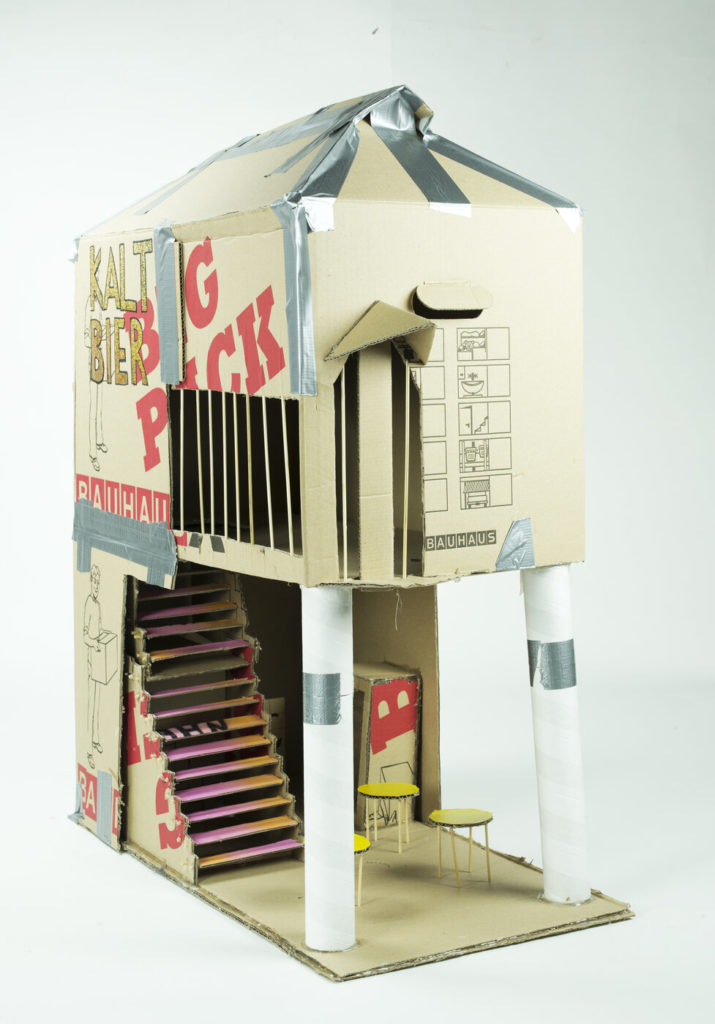
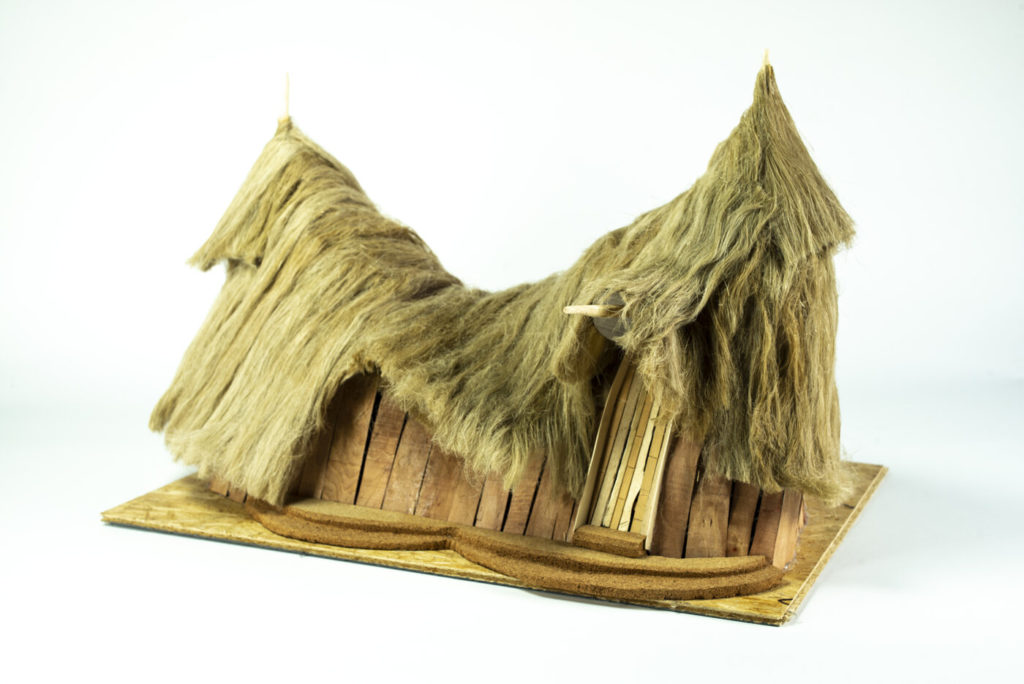
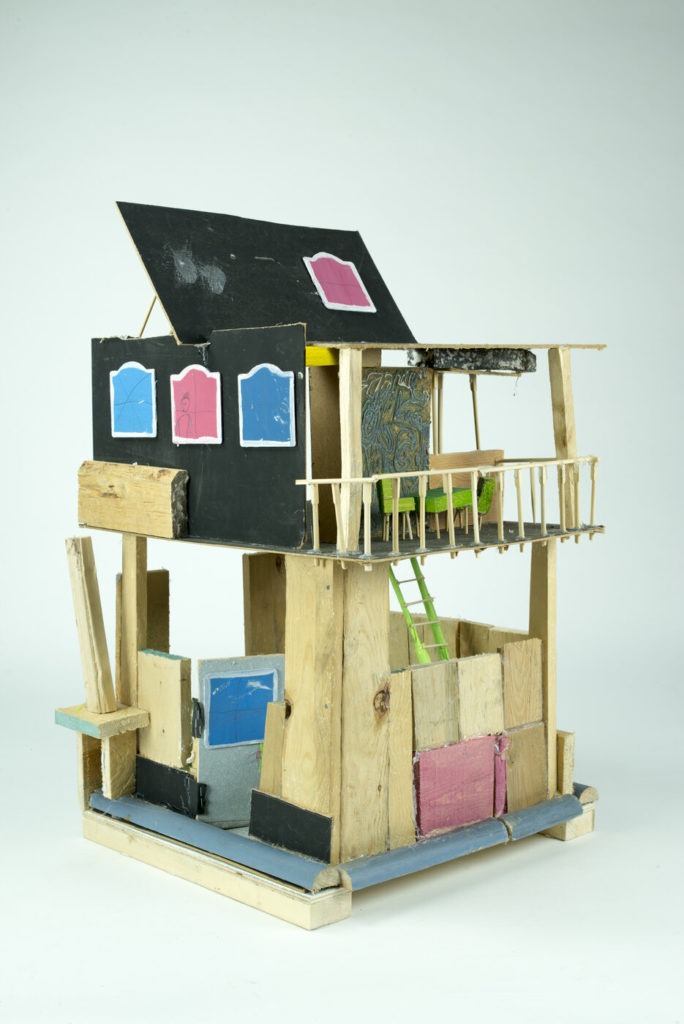
That the hous­es assem­bled here seem to be thrown togeth­er is because the indi­vid­ual build­ings, as they stand there, do not nec­es­sar­i­ly exist as built struc­tures. They are mem­o­ries mixed with visions of one’s future four walls. Built by refugees from Iran, Syr­ia, Moroc­co, and Pak­istan, World City, as the project is called, was cre­at­ed togeth­er with Berlin-based asso­ci­a­tion Schlesische27 and oth­er orga­ni­za­tions. This glob­al city of a dif­fer­ent kind is both spec­u­la­tion and dream: about a future with­out bor­ders, the city as a process of dia­logue and its polypho­ny, of which there’s still too lit­tle to date.


Project

World City


Actors

S27—Art and Edu­ca­tion, ini­tia­tive; Anton Schüne­mann, Bar­bara Mey­er, Lin­da Weich­lein, Matze Görig, con­cept; Matze Görig, artis­tic project man­age­ment; Lin­da Weich­lein, orga­ni­za­tion­al project man­age­ment; Jana Barthel, Car­los de Abreu, Matthias Falken­berg, Jens Ger­lich, Wasim Ghiri­ou, Abuzer Güler, Renaud Hélé­na, Chris­t­ian Diaz Ore­jare­na, Nidal Jalouk, Folke Köb­ber­ling, Bern­hard Kremser, Ben­jamin Men­zel, Valentin Peitz, Thorsten Schlop­snies / Todosch, Fed­er­i­ca Teti, Kun­sta­syl e.V. with Bar­bara Caveng, Rudi Keil­er Gómez de Mel­lo, Char­lotte Kent Danoy, Bern­hard Kremser, Aymen Mon­tass­er, Dachil Sado, David Tsch­ier­sch, Patryk Witt


Year

2016—2020


Loca­tion

Berlin, Ger­many

Chil­dren, teenagers and adults build mod­els of hous­es, which rep­re­sent known and expe­ri­enced, but also future and dreamed places. © Fred Moseley
Lamin Man­neh, Gam­bia. © Fred Moseley
Abdel Kad­er Hami, Syrien. © Matze Görig
S27—art and edu­ca­tion © Fred Moseley

/* Custom Archives Functions Go Below this line */ /* Custom Archives Functions Go Above this line */

Initiative for a Cooperative Future City

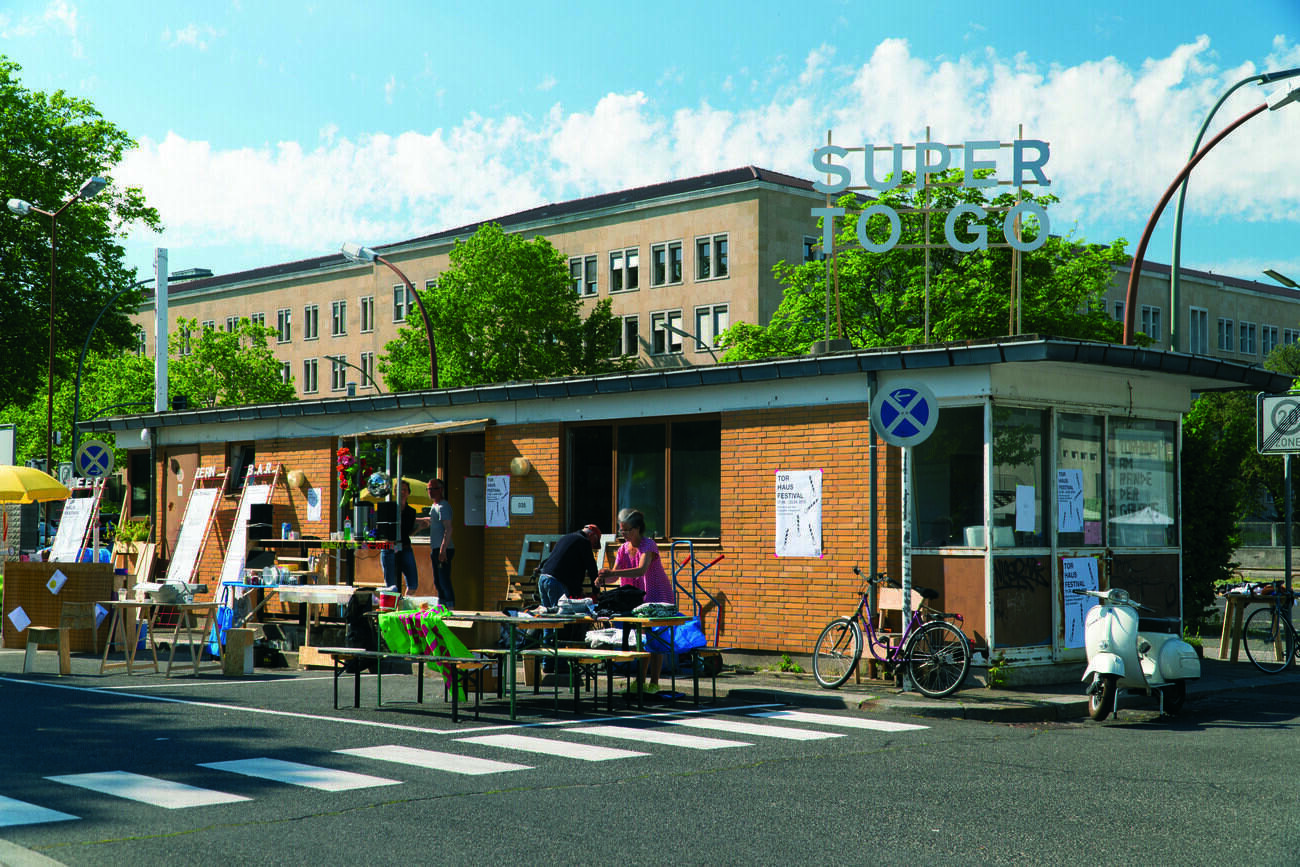
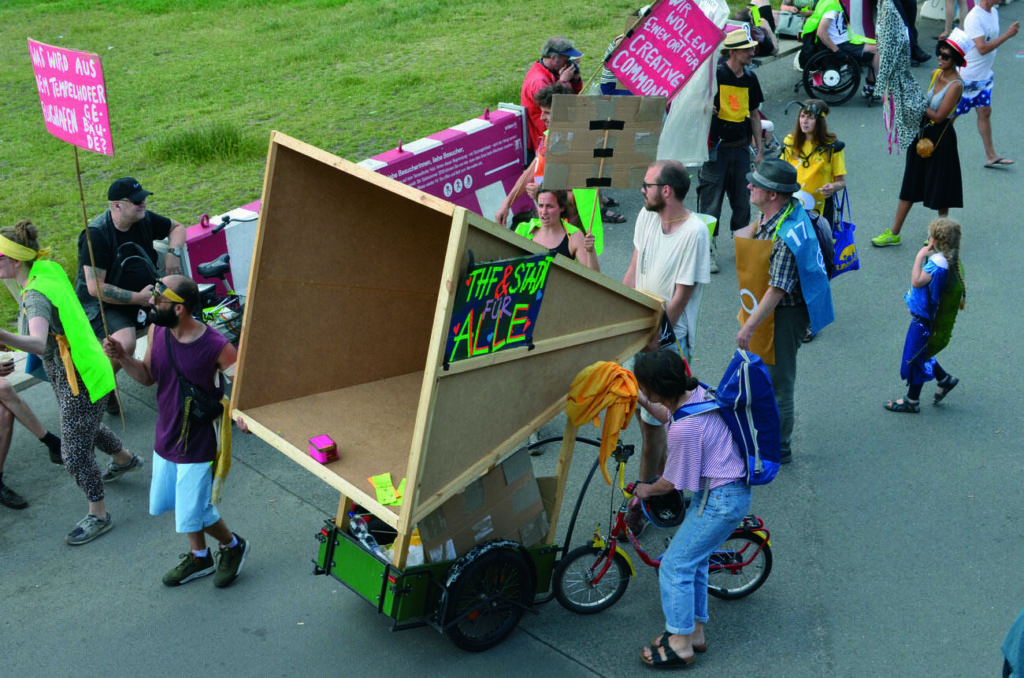
The for­mer gate­house at Tem­pel­hof Air­port serves as the basis for the Torhaus Project, which is com­mit­ted to a city based on sol­i­dar­i­ty, eman­ci­pa­tion and the com­mon good. © Alexan­der Donath

Berlin-Tem­pel­hof Air­port build­ing: 312,000 square meters of total floor space. Con­cret­ed apron: 236,000 square meters. Tem­pel­hof Field: a vast 355 hectares. For twelve years, flight oper­a­tions have been sus­pend­ed. Since 2009 the build­ings, includ­ing the air­field, have been owned by the State of Berlin. In the inter­ven­ing years: dis­cus­sions and process­es about what to do with this mas­sive area. The col­lec­tive, which has been work­ing from the for­mer gate­house of the air­port since 2018, joins many oth­ers with the demand that what­ev­er trans­for­ma­tion hap­pens, it must be for the com­mon good—fit for our children’s chil­dren. This means: Mak­ing the city of the future and devel­op­ing new imag­i­nar­ies demand plan­ning with care for humans and non-humans, but also with respect for this planet.


Project

Torhaus Berlin


Actors

Torhaus Berlin, imple­men­ta­tion; THF.Vision, coop­er­a­tion part­ner; Tem­pel­hof Pro­jekt, coop­er­a­tion part­ner; Sen­ate for Urban Devel­op­ment and Hous­ing, poten­tial commission


Year

Since 2018


Loca­tion

Berlin, Deutsch­land

The ini­tia­tors of the project orga­nize work­shops that deal with the diverse sto­ries of the neigh­bor­hood and the air­port and at the same time crit­i­cal­ly com­ment on the design of the city. The Torhaus Fes­ti­val, for exam­ple, dealt with the bar­ri­er that the mas­sive air­port build­ing rep­re­sents for the uses on Tem­pel­hofer Feld, but also for the neigh­bor­ing quar­ters. © Alexan­der Donath
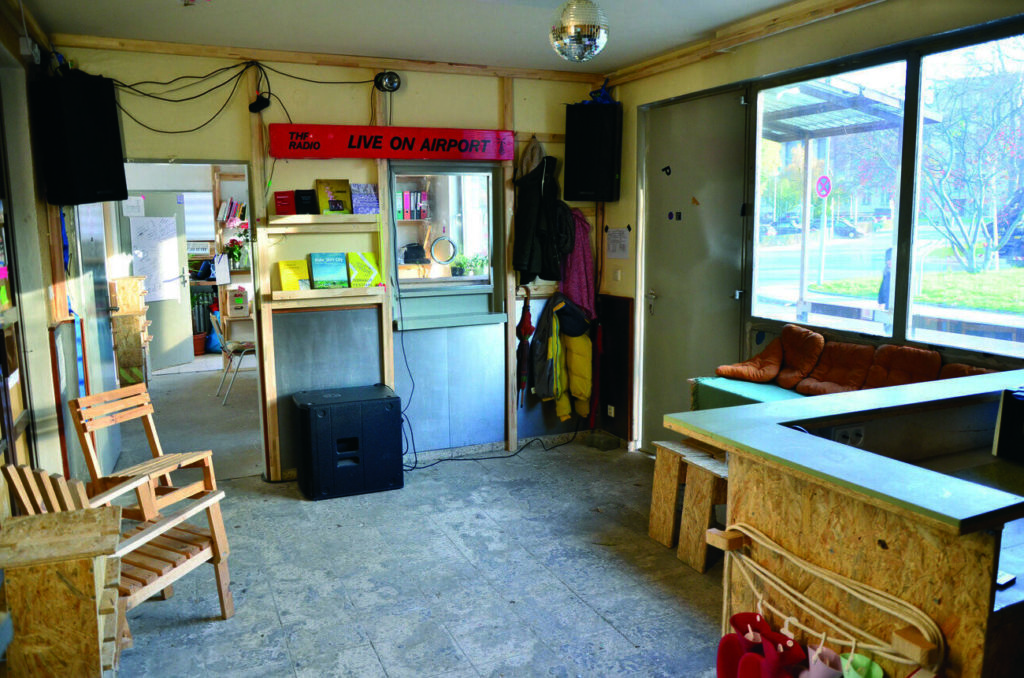
The inte­ri­or of the Torhaus was designed as a par­tic­i­pa­to­ry com­mu­ni­ty space, com­plete with com­mons library and radio sta­tion. © Alexan­der Donath
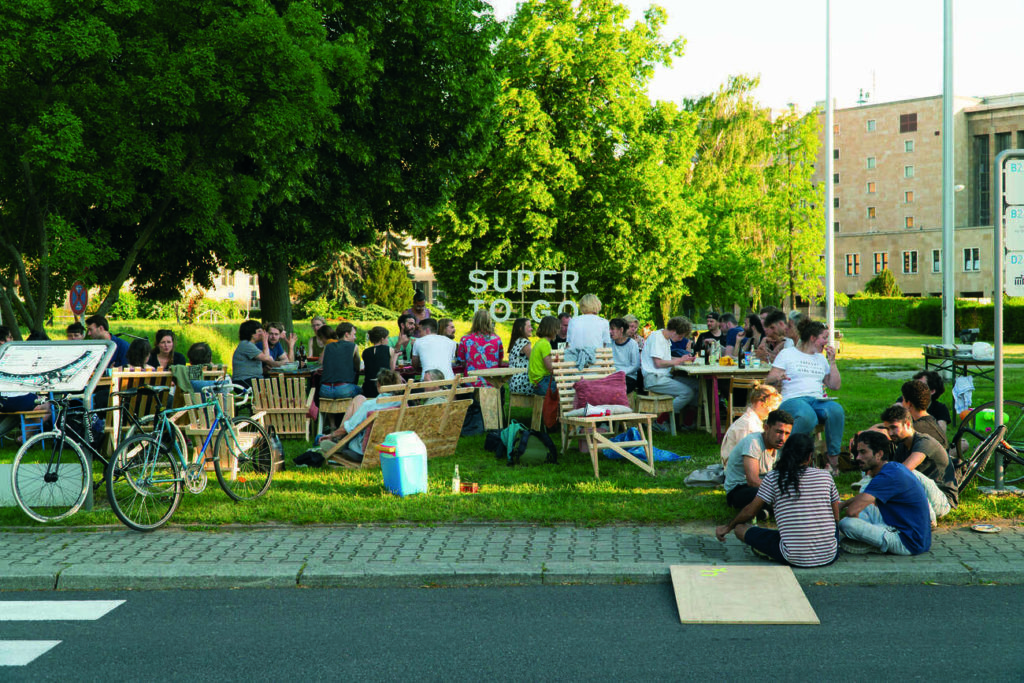
… or by acti­vat­ing free space, where peo­ple cut, cook, eat and wash up togeth­er, and fur­ni­ture for the use of the space was invent­ed next door. © Torhaus Berlin

/* Custom Archives Functions Go Below this line */ /* Custom Archives Functions Go Above this line */

Work Yard for Construction Materials

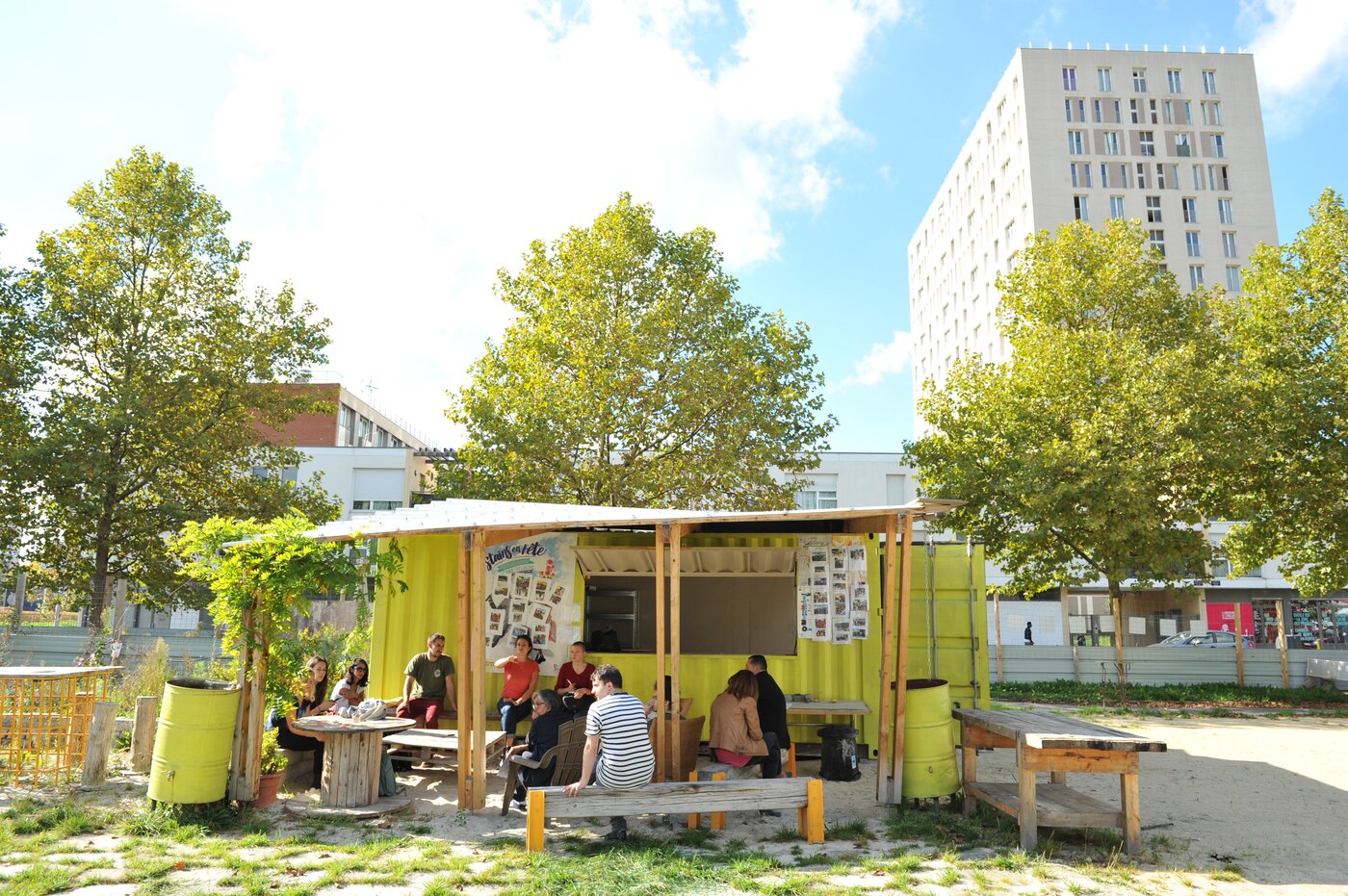
The work yard set up by Bel­la­s­tock is simul­ta­ne­ous­ly a ware­house, recy­cling work­shop, gar­den and stage for pro­to­types made from build­ing rub­ble. © Bellastock

Why is the cur­rent mantra in the con­struc­tion indus­try build, build, build—when reuse, recy­cling, or oth­er forms of respon­si­ble use of resources should be the focus of atten­tion? The inter­dis­ci­pli­nary col­lec­tive Bel­la­s­tock address­es this and oth­er major prob­lems in the con­struc­tion indus­try. La Fab­rique du Clos in Stains, a small town in the north-east of Paris, was used to store mate­ri­als from the demo­li­tion of res­i­den­tial tow­ers. Yet the yard also became a meet­ing place and stage for the neighborhood’s res­i­dents. There were dis­cus­sions: about future urban spaces, how and by whom and with what they will be designed. These activ­i­ties result­ed in pro­to­types for sheds, plant­i­ng beds, arbors, street pave­ment, play­ground equip­ment, bench­es, pavil­ions, and much more. They show how small-scale alter­na­tives can chal­lenge estab­lished systems.


Project

La Fab­rique du Clos


Actors

Bel­la­s­tock, archi­tects, Cen­tre Sci­en­ti­Wique et Tech­nique du Bâtiment (CSTB), L’Amicale des Locataire, Closerie du Lézard, Léonard Nguyen, Mael Canal, Fred Kei, Cheb Chantier, Clé­ment Guil­laume, Régie de Quarti­er de Stains, Cen­tre de Loisirs Romain Rol­land, Sauve­g­arde 93


Year

2015—2018


Loca­tion

Clos Saint-Lazare, Stains, France

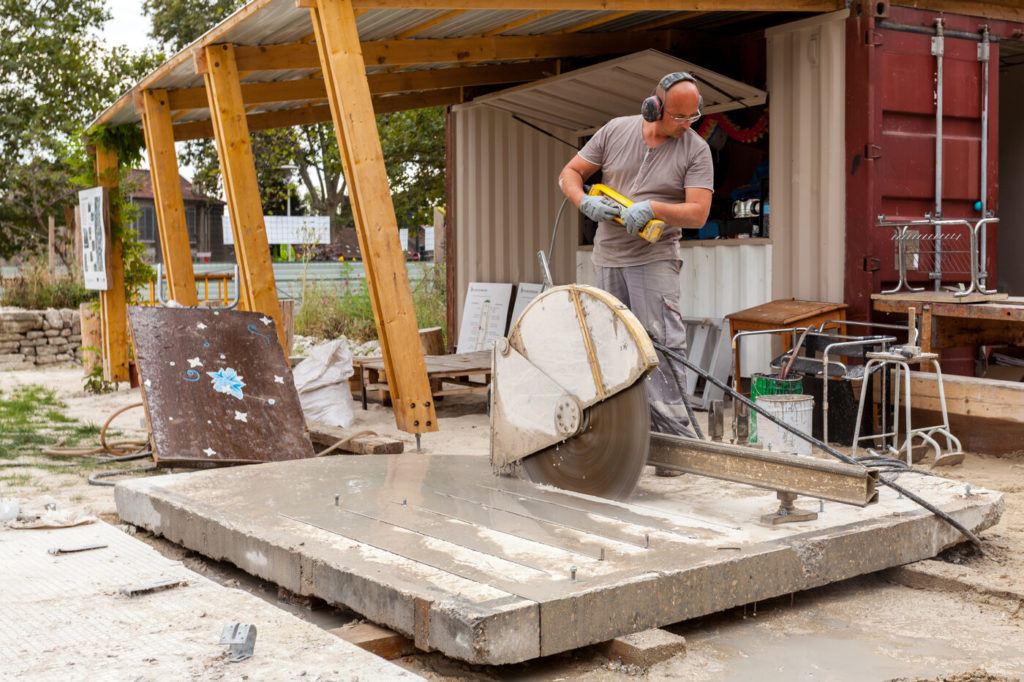
Con­crete walls are cut to the required sizes. © Alex­is Leclercq
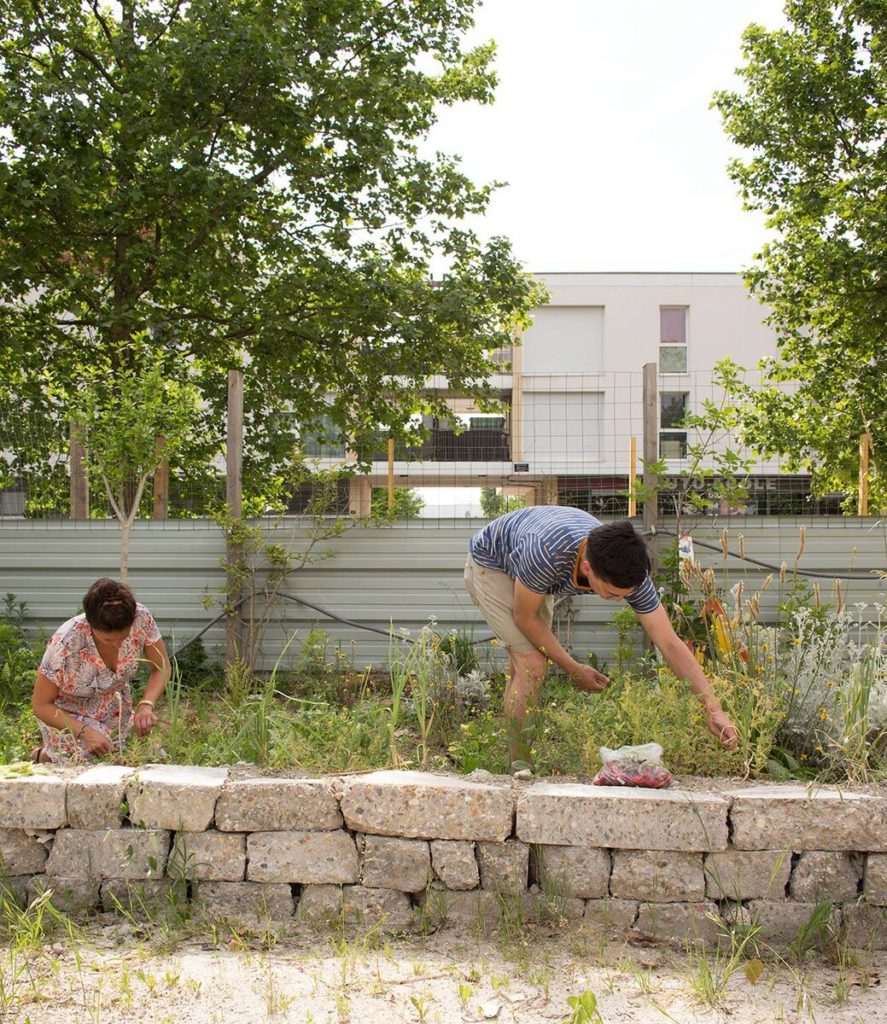
A gar­den bed with walls of con­crete blocks in tra­di­tion­al dry con­struc­tion. © Clé­ment Guillaume
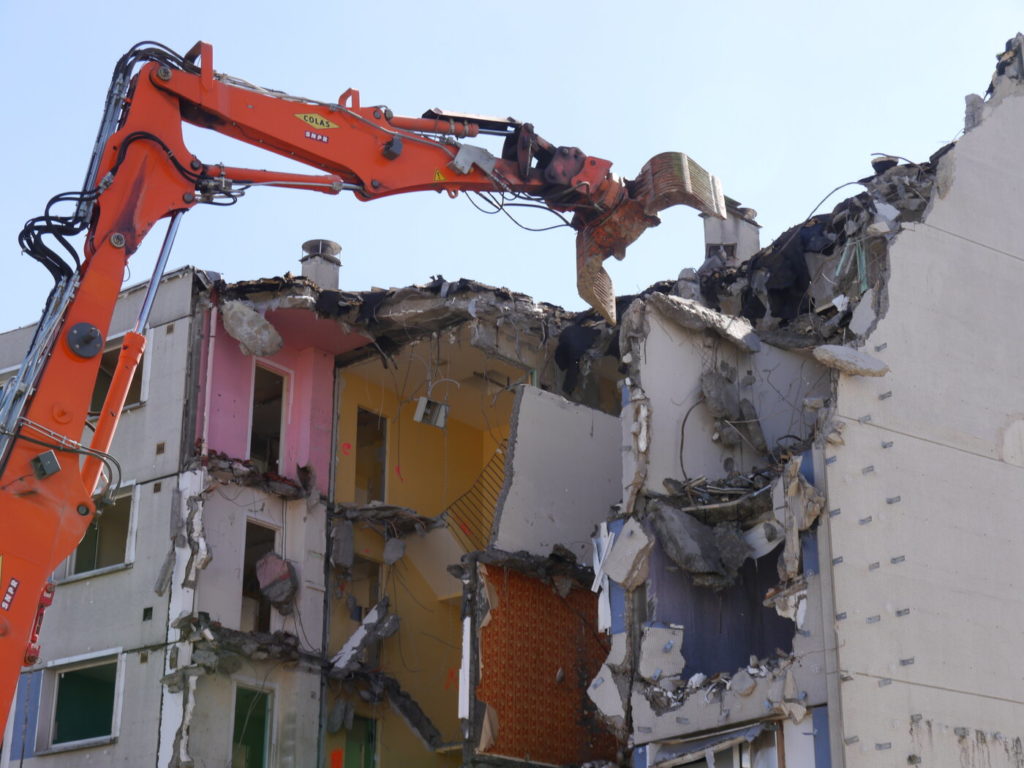
The decon­struc­tion of build­ings usu­al­ly hap­pens by the down­right smash­ing of the built struc­ture. Here in Stains, parts have been ›saved‹ to demon­strate that many mate­ri­als that would oth­er­wise sim­ply end up on rub­ble heaps could have a sec­ond life. © Bellastock

/* Custom Archives Functions Go Below this line */ /* Custom Archives Functions Go Above this line */

Financing the Cooperative City

»Rotaprint archi­tec­tur­al mon­u­ment. There is no prof­it to be made here«—so a ban­ner of the ExRo­taprint ini­tia­tive from 2007. The rea­son: a fight of the non-prof­it GmbH ExRo­taprint for the rights of use of land and build­ings that has been going on for years, repeat­ed­ly bro­ken promis­es and dubi­ous nego­ti­a­tions between the own­er of the land—the Liegen­schafts­fond Berlin—and inter­na­tion­al real estate com­pa­nies despite already promised and almost com­plet­ed han­dover. After long nego­ti­a­tions and mas­sive resis­tance the vic­to­ry comes for the gGmbH. With the help of Stiftung trias and Stiftung Edith Mary­on, the site is pur­chased in late sum­mer 2007 and a 99-year ground lease agree­ment is signed with ExRo­taprint gGmbH. This makes the gGmbH the own­er of the build­ings and sole­ly respon­si­ble for the project devel­op­ment. The pos­si­ble spec­u­la­tive spi­ral has been inter­rupt­ed. Since then, the entire com­plex has been man­aged and run accord­ing to non-prof­it prin­ci­ples with the aim of secur­ing het­ero­ge­neous uses and afford­able rents in the long term. The project is described as a “social sculp­ture”, which is at the same time firm­ly anchored in the neigh­bor­hood and active­ly engaged in urban the­o­ry dis­course in order to con­tin­u­ous­ly expand the basis of its work. © Mar­tin Eberle

The book and action research project Fund­ing the Coop­er­a­tive City. Com­mu­ni­ty Finance and the Econ­o­my of Civic Spaces describes numer­ous case stud­ies from across Europe, which tell of how local com­mu­ni­ty finance can be set up. A wide vari­ety of groups that have devel­oped new mod­els for devel­op­ing and oper­at­ing non-com­mer­cial spaces for their neigh­bor­hoods are pre­sent­ed and dis­cussed. None of this is easy, as many inter­views and dis­cus­sion notes reveal. But it is pos­si­ble: through the for­ma­tion of sol­i­dar­i­ty net­works, neigh­bor­ly com­mit­ment, a will­ing­ness to exper­i­ment, and admin­is­tra­tive and often finan­cial sup­port from the respec­tive communities.


Project

Open Her­itage


Actors

Lev­ente Polyák, Daniela Pat­ti, founders, Eutropi­an GmbH; Yil­maz Vuru­cu, Baha­nur Nasya, Xsen­trikarts, Eutropi­an; Andrea Giu­liano, Jorge Mos­quera, Sophie Bod, Ste­fano Pat­ti, Eleono­ra Rugiero, Julia Baudi­er, Eutropi­an team


Year

Since 2018


Loca­tions

Var­i­ous

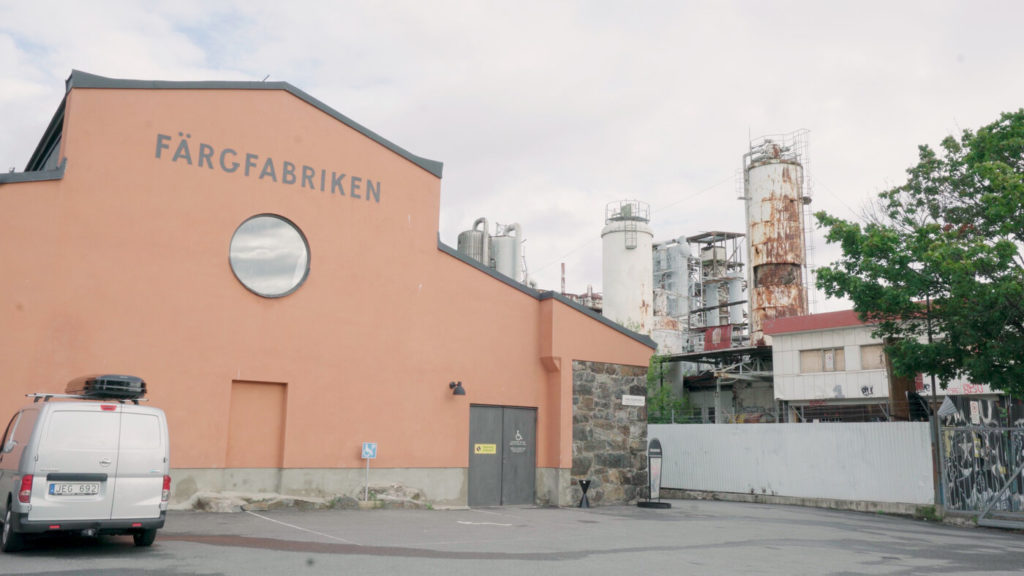
Färgfab­riken is an exhi­bi­tion space for art, archi­tec­ture and urban plan­ning in Stock­holm, which has exist­ed since 1995 and is the result of a col­lab­o­ra­tion between the Asso­ci­a­tion of Swedish Archi­tects (Sven­s­ka Arkitek­ters Riks­för­bund), Alcro-Beck­ers, ColArt and a group of artists and inde­pen­dent archi­tects. © Yil­maz Vuru­cu, xsentrikarts
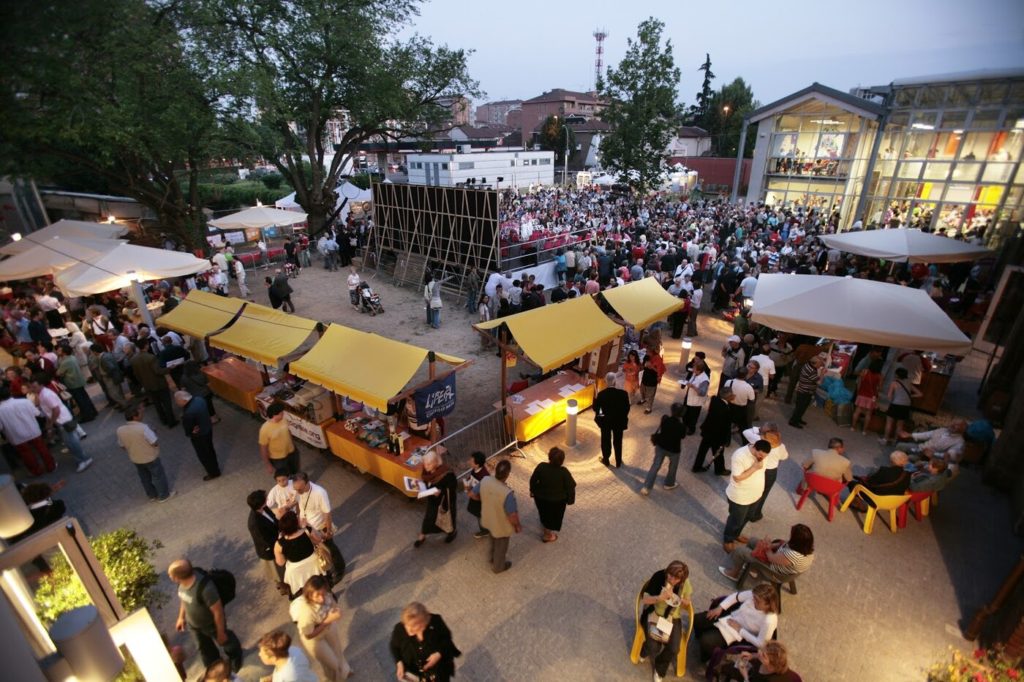
Casci­na Roc­cafran­ca, Turin. The for­mer farm was pur­chased with the help of Euro­pean funds and trans­formed into a mul­ti­func­tion­al com­mu­ni­ty cen­ter, man­aged by both pub­lic and civ­il soci­ety actors. What makes this insti­tu­tion spe­cial is the close col­lab­o­ra­tion that has devel­oped between the munic­i­pal­i­ty of Turin and mem­bers of the non-prof­it asso­ci­a­tions and groups rep­re­sent­ed in Casci­na. © Casci­na Roccafranca
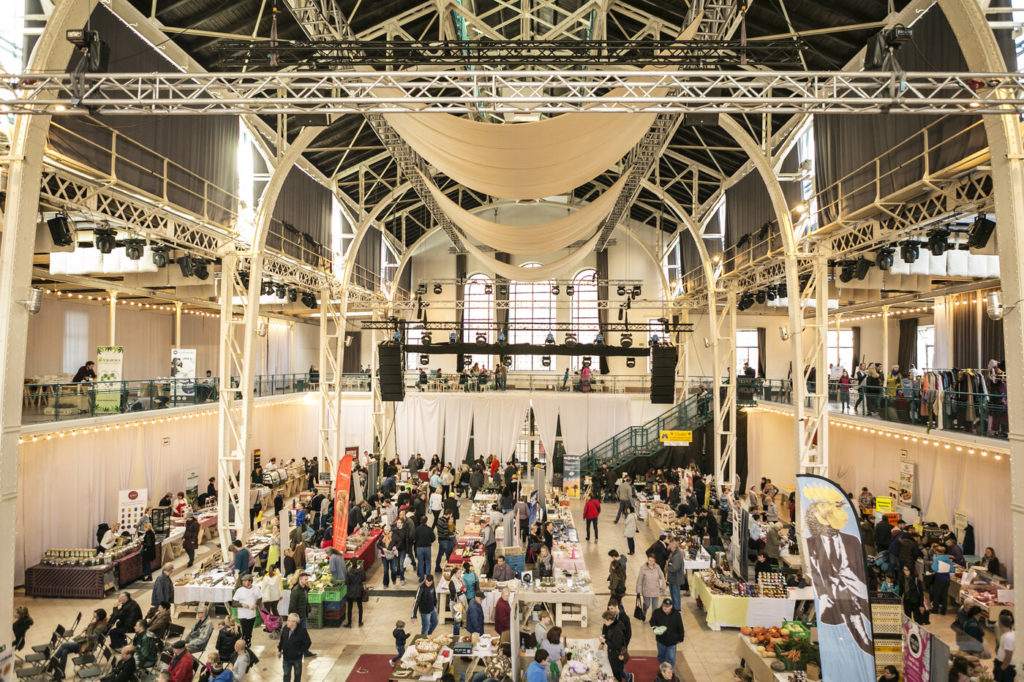
Stará Tržni­ca, Bratisla­va. The Old Mar­ket Hall in the cen­ter of Bratisla­va had stood emp­ty for years. This changed in 2013, when a non-prof­it civ­il soci­ety asso­ci­a­tion took over the build­ing from the munic­i­pal­i­ty. Togeth­er with exter­nal experts, a mul­ti-func­tion­al pro­gram was devel­oped for the hall. Today, in addi­tion to a week­ly mar­ket, cul­tur­al events, con­certs and oth­er events are also held here, where­by the prof­its do not go into the pock­ets of the oper­a­tors, but into the ren­o­va­tion and preser­va­tion of the build­ing. © Boris Nemeth
ExRo­taprint © Eutropian

/* Custom Archives Functions Go Below this line */ /* Custom Archives Functions Go Above this line */

Participation in City Design

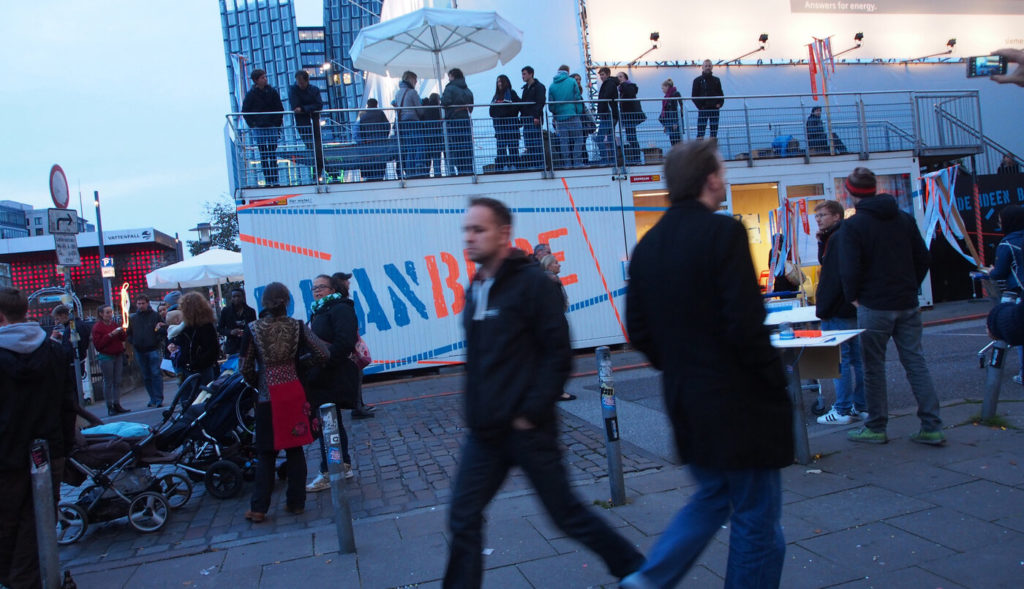
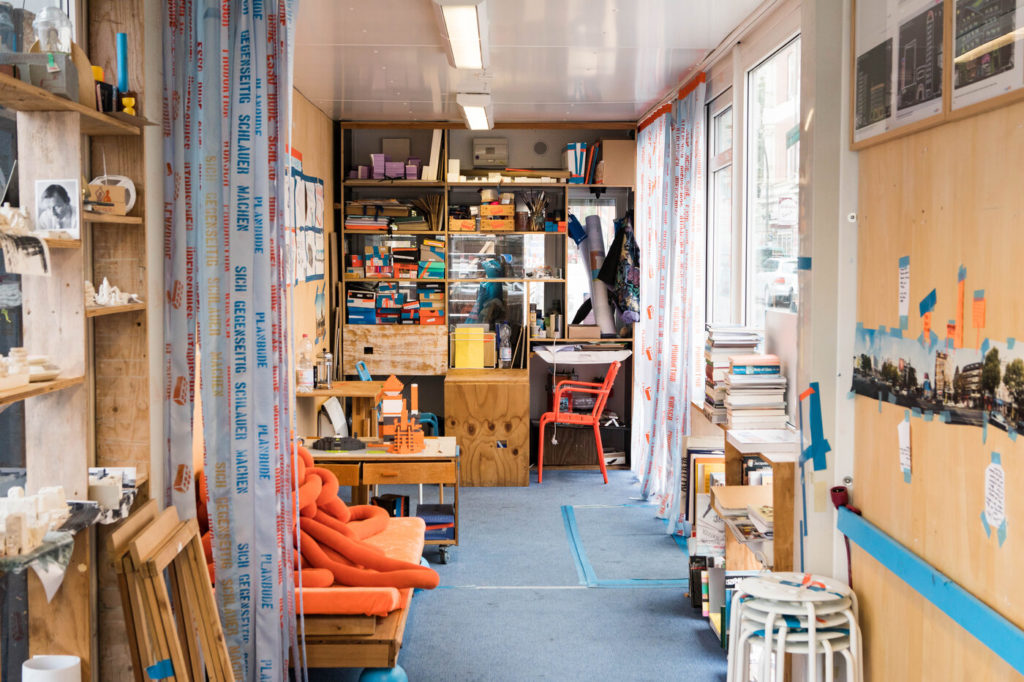
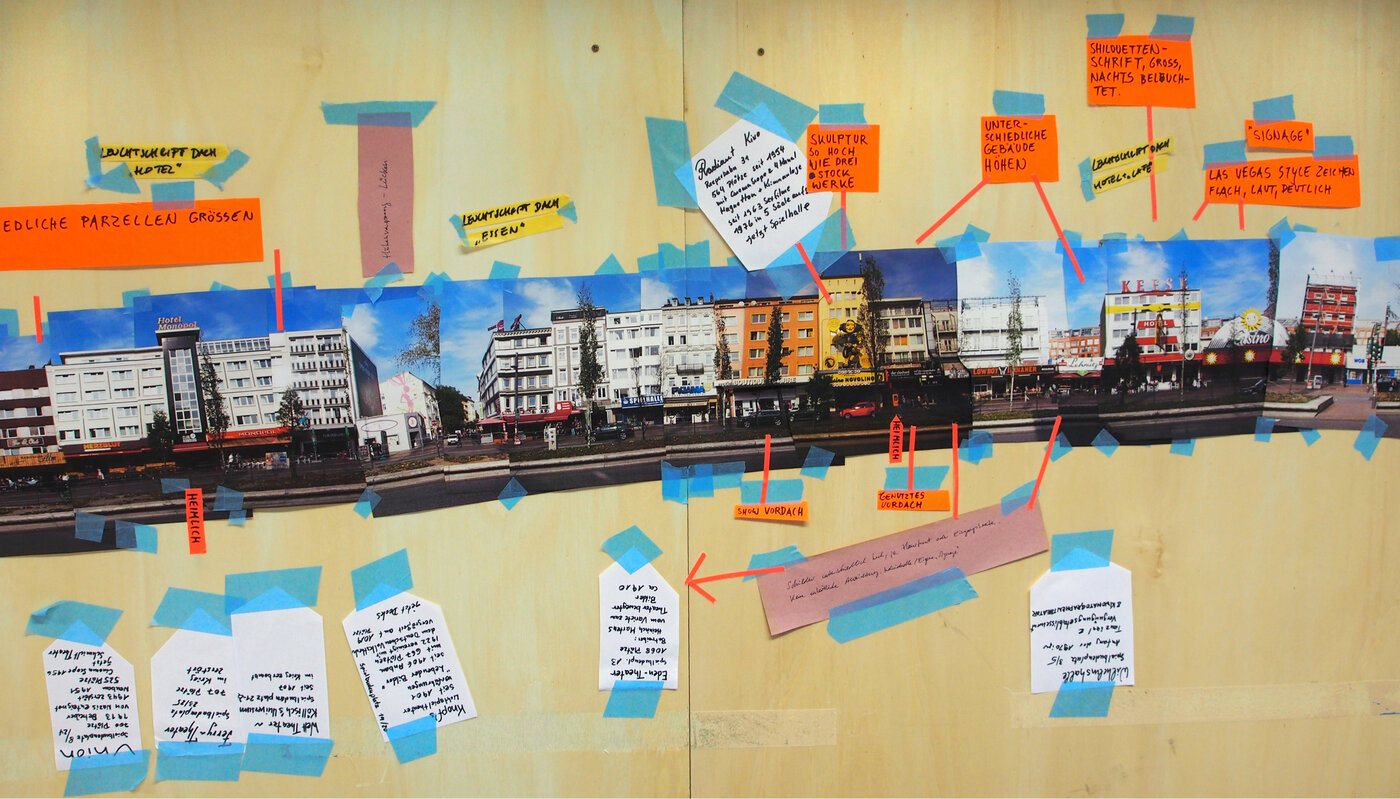
More than 400 peo­ple assem­bled at a self orga­nized meet­ing in FC St. Pauli’s ball­room in Ham­burg in Feb­ru­ary 2014. The rea­son for the unusu­al gath­er­ing were dra­mat­ic changes in St. Pauli. The neigh­bor­hood called for a »bot­tom up-orga­nized, demo­c­ra­t­ic plan­ning process.« With the expe­ri­ence and the mobi­liza­tion pow­er of the broad Right-to-the-city-move­ment back­ing them, the inter­dis­ci­pli­nary plan­ning office Plan­bude is found­ed to devel­op a new land use plan for the city. Wish pro­duc­tion starts in late sum­mer. Planbude’s claim: »Knack’ den St. Pauli Code!« (Crack the St. Pauli code!) becomes the leit­mo­tif for a process that builds on mul­ti­lin­gual­ism in expres­sion and mak­ing. The results of the process are cap­tured in a con­tract and become the foun­da­tion for a plan­ning com­pe­ti­tion. Local knowl­edge builds the basis for the rein­ven­tion of the city.


Project

Plan­Bude / Crack the St. Pauli Code


Actors

Mar­git Czen­ki, Christoph Schäfer, Renée Trib­ble, Lisa Marie Zan­der, Christi­na Röthig, until 2018, Patri­cia Wedler, until 2017, Volk­er Kattha­gen, until 2016, neigh­bor­hood ini­tia­tives and residents

Year

Since 2014


Loca­tion

Ham­burg, Germany

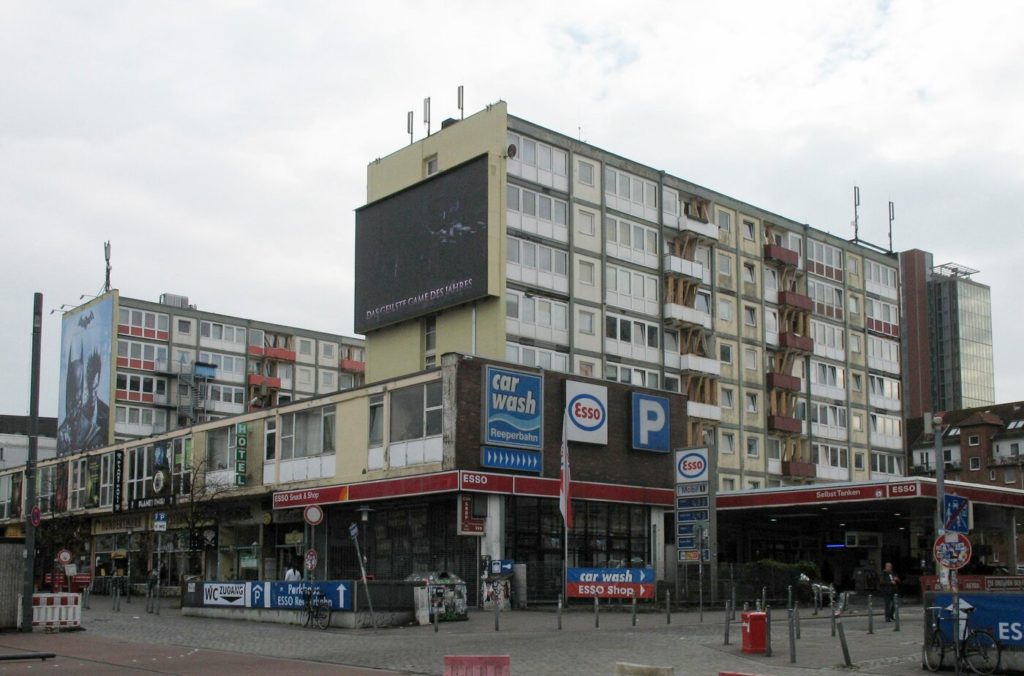
The Esso Hous­es at Spiel­bu­den­platz in Hamburg’s St. Pauli dis­trict were built in the late 1950s and were con­sid­ered at risk of col­lapse in the ear­ly 2010s. They were demol­ished in 2014—under great protest. Doris Antony (CC BY-SA 4.0)
Plan­bude orga­nizes civ­il soci­ety resis­tance to the plans of the Ham­burg Sen­ate for the site, which has now been vacat­ed. The Plan­bude will be set up on site to absorb and artic­u­late the wish­es of the city soci­ety for the quar­ter. © Mar­git Czenki
Plan­bude func­tions as a meet­ing place, a cen­ter for research, a neigh­bor­hood library, exhi­bi­tion space and dis­cus­sion plat­form. It is not only a place from which wish­es are col­lect­ed, but also where con­crete demands for the new plan­ning at Spiel­bu­den­platz are set up. © Frank Egel Photography
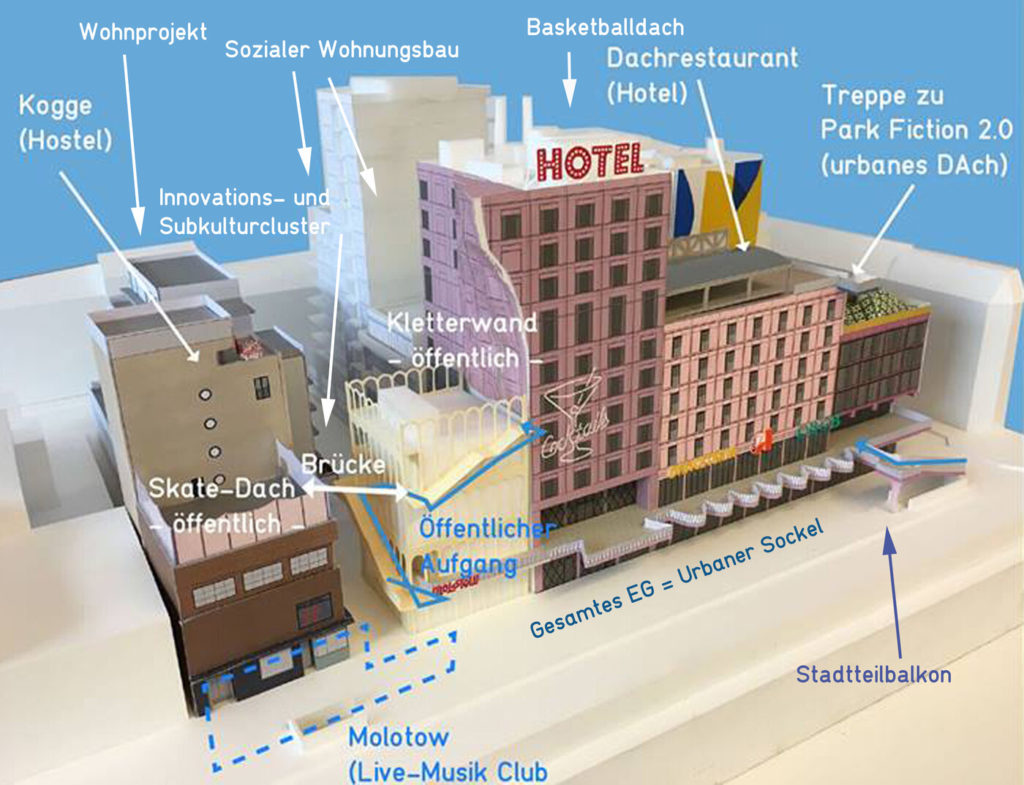
The Dutch archi­tec­tur­al office NL-Archi­tects and BEL-Archi­tects from Cologne won the com­pe­ti­tion Spiel­bu­den­platz with a coura­geous design. © Bay­erische Hausbau
/* Custom Archives Functions Go Below this line */ /* Custom Archives Functions Go Above this line */