Technical Assistance for an Informal Settlement

The work with the neigh­bor­hood of Ter­ras da Cos­ta is not an iso­lat­ed case for ate­lier­mob. For a long time now, the office has been work­ing on sim­i­lar neigh­bor­hoods, advo­cat­ing bet­ter equipped, legal hous­ing for peo­ple in infor­mal set­tle­ments and pro­vid­ing tech­ni­cal assis­tance. The archi­tects see this work as an exten­sion of the archi­tec­tur­al pro­fes­sion, which so often only cares about for­mal and aes­thet­ic mat­ters, but com­plete­ly ignores social and eco­nom­ic rela­tion­ships. © Fer­nan­do Guerra

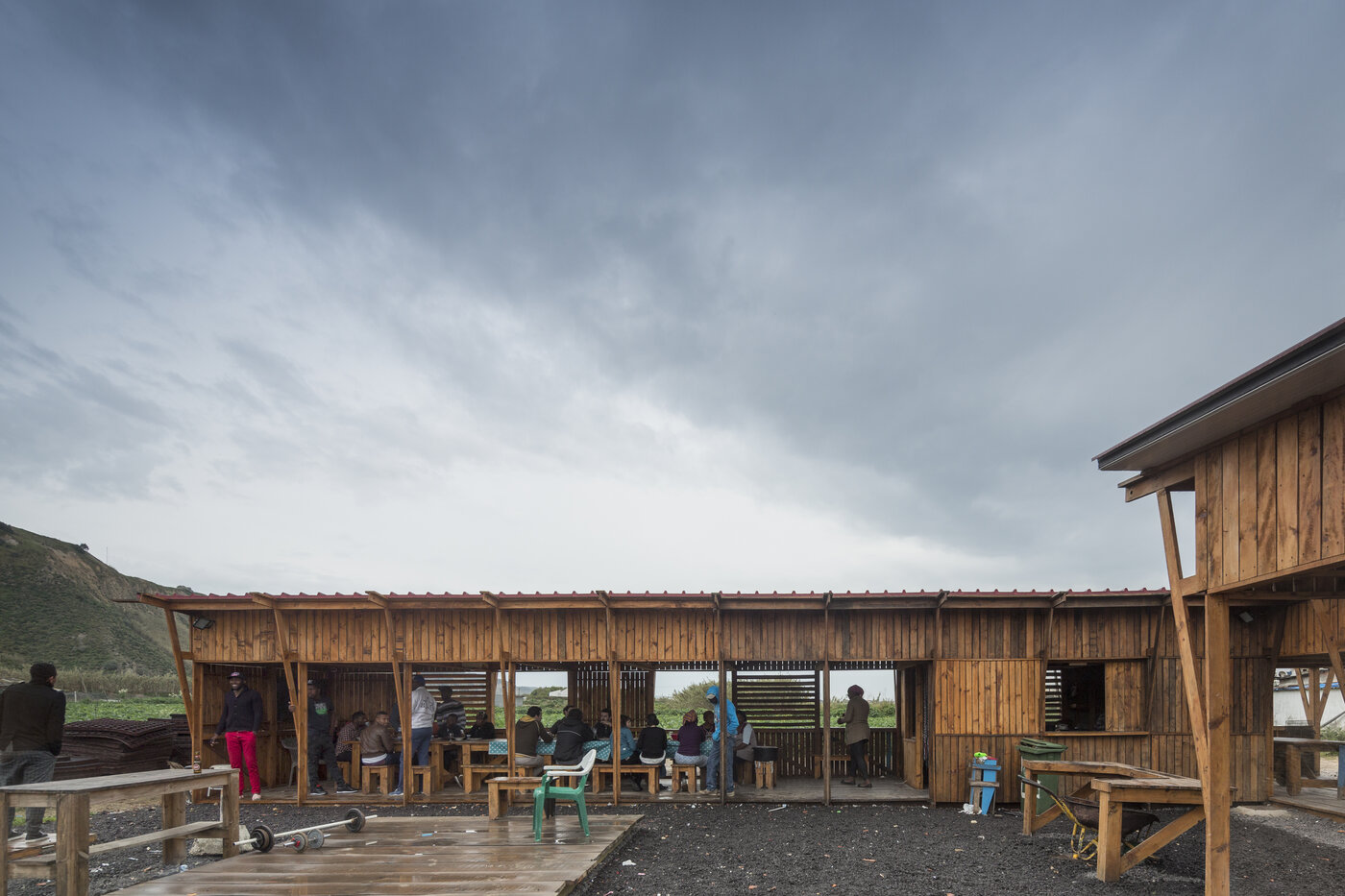
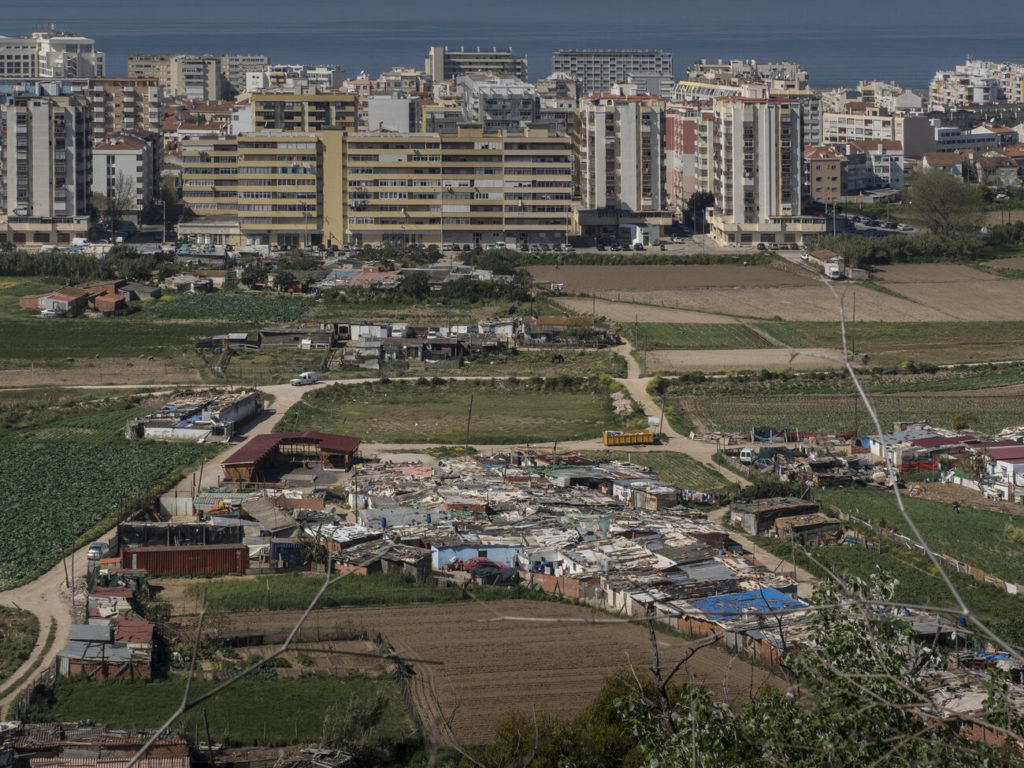
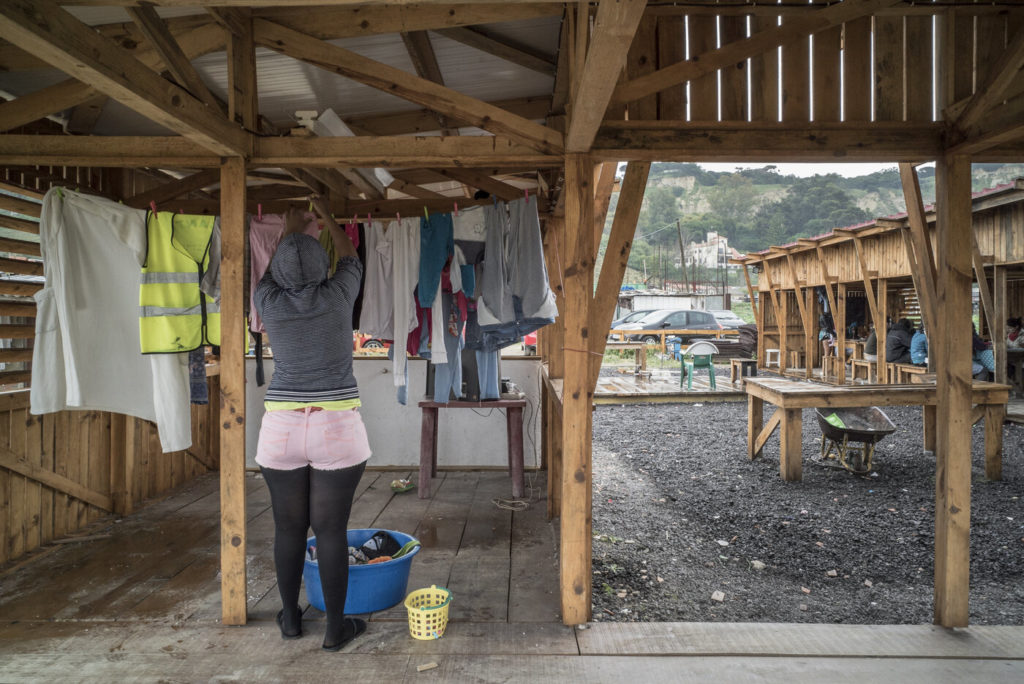
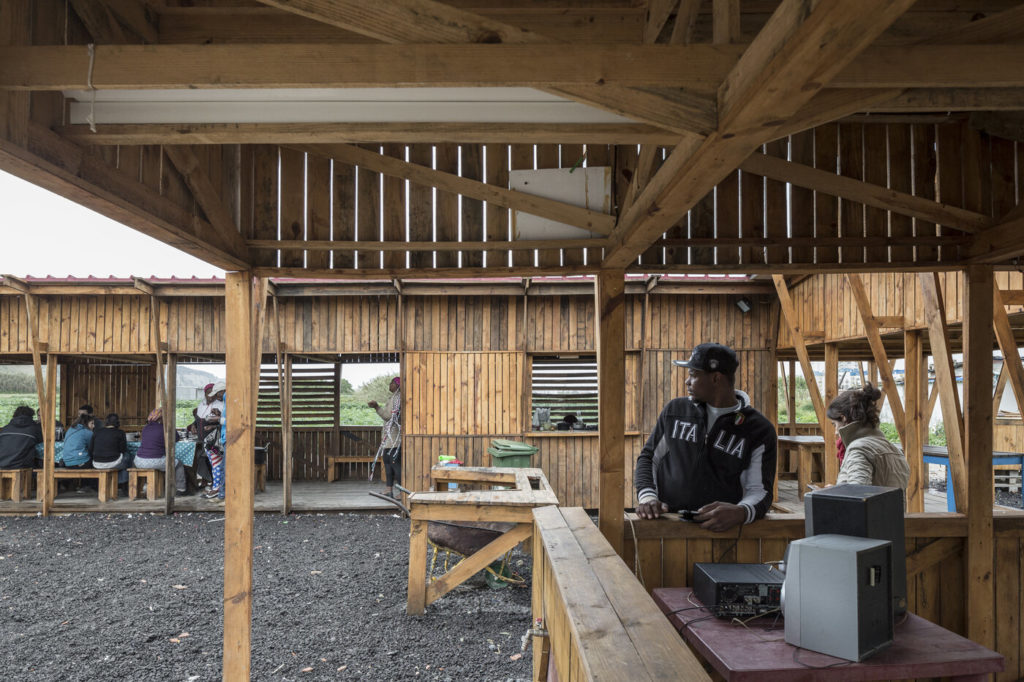
South of Lis­bon, in the hin­ter­land of hotels and apart­ment com­plex­es, is the not yet legal­ized Ter­ras da Cos­ta quar­ter. In 2012, the idea of set­ting up a com­mu­nal kitchen was born in the neigh­bor­hood. Their pro­pos­al was tied to hopes that author­i­ties would agree to install a water sup­ply and there­by start the legal­iza­tion process of the set­tle­ment. The archi­tec­tur­al office ate­lier­mob and many oth­er groups, ini­tia­tives, and indi­vid­u­als sup­port­ed this ambi­tion in var­i­ous ways. Some con­tributed their work direct­ly, oth­ers posi­tioned them­selves in sol­i­dar­i­ty, and foun­da­tions fund­ed the project. After about two years, water final­ly flowed to Ter­ras da Cos­ta. But many oth­er aspects remained unre­solved or have not been decid­ed polit­i­cal­ly, so that set­tle­ments in sim­i­lar sit­u­a­tions have to con­tin­ue the fight for their rights to the city.


Project

Coz­in­ha Comunitária das Ter­ras da Cos­ta (Com­mu­ni­ty Kitchen of Ter­ras Da Costa)


Actors

ate­lier­mob and Colec­ti­vo Ware­house, archi­tects; res­i­dents of Ter­ras da Cos­ta, con­struct­Lab, support


Year

2014


Loca­tion

Ter­ras da Cos­ta, Lis­bon, Portugal

The infor­mal set­tle­ment of Ter­ras da Cos­ta south of Lis­bon. © Fer­nan­do Guerra
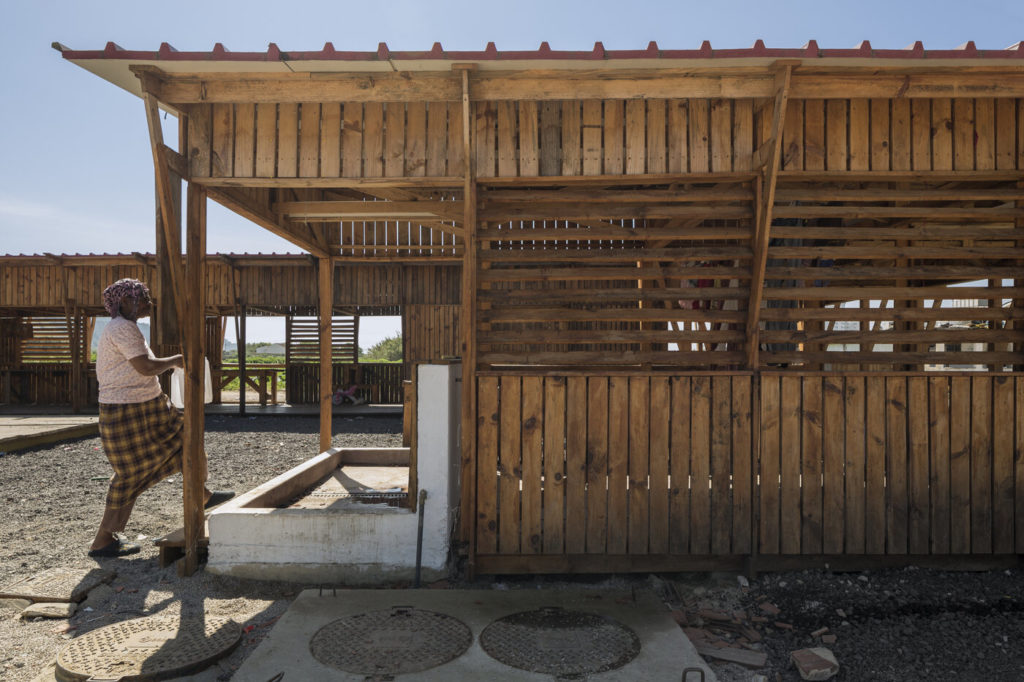
The legal­iza­tion of the set­tle­ment was nev­er at issue. Instead, the neighborhood’s coop­er­a­tion with the archi­tec­tur­al bureau has result­ed in the pri­or­i­ti­za­tion of a water con­nec­tion that is polit­i­cal­ly fea­si­ble. © Fer­nan­do Guerra
The water sup­ply runs through the kitchen and serves hygiene and san­i­tary func­tions. © Fer­nan­do Guerra
© Fer­nan­do Guerra

/* Custom Archives Functions Go Below this line */ /* Custom Archives Functions Go Above this line */

Attempt at Radical Participation

© Super­flex

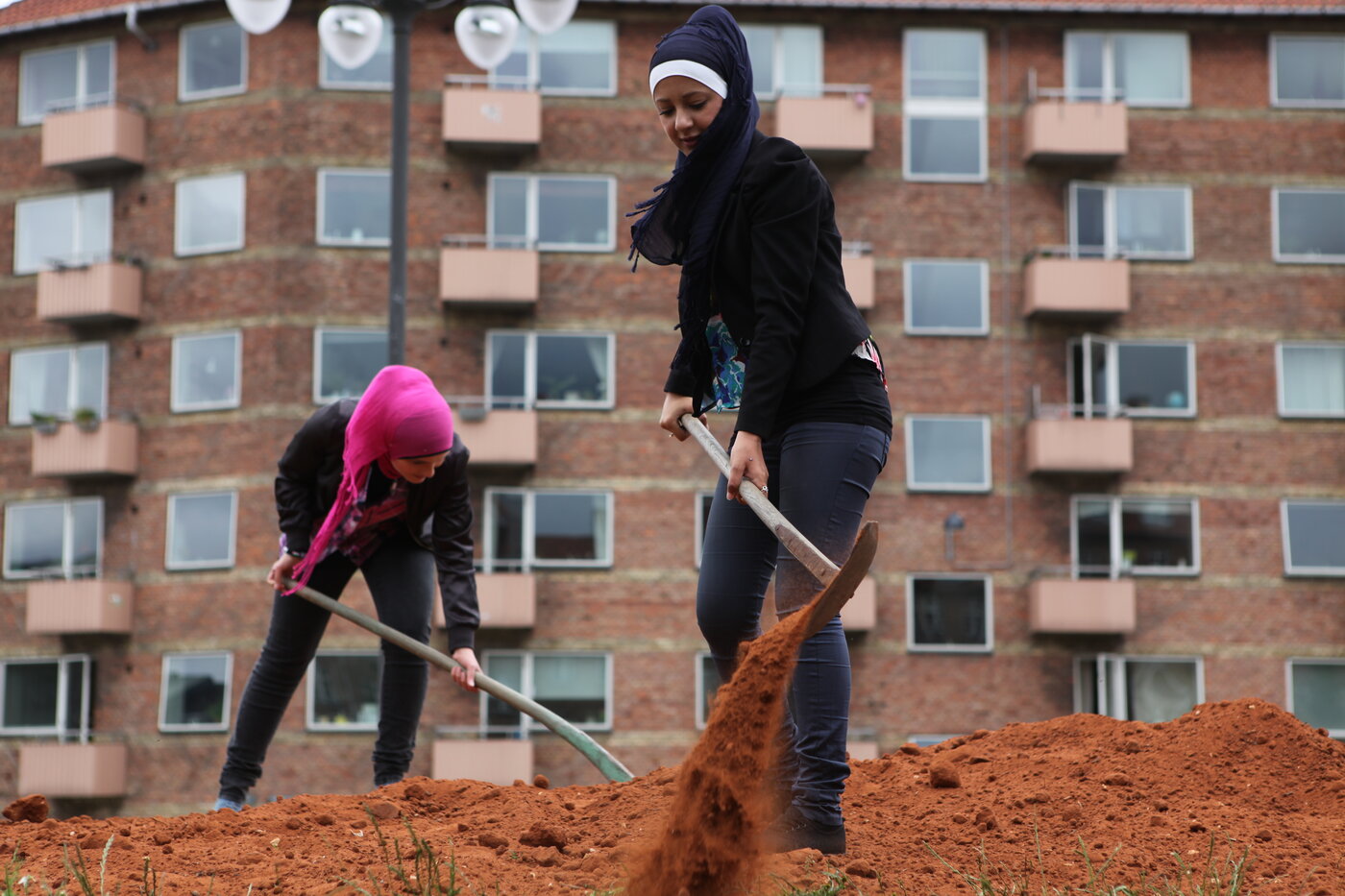
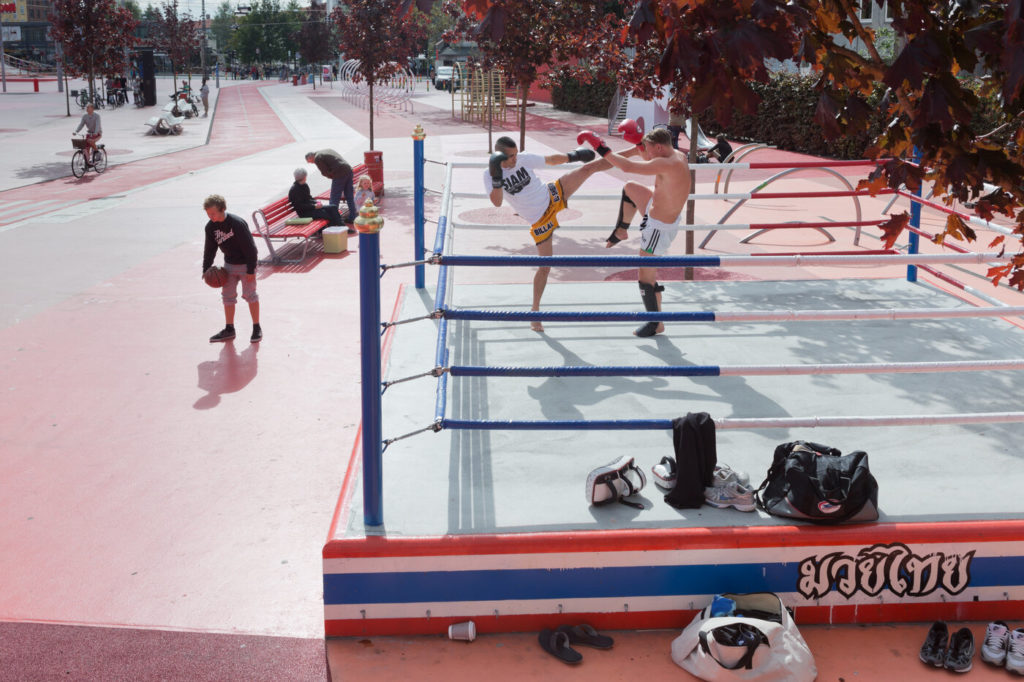
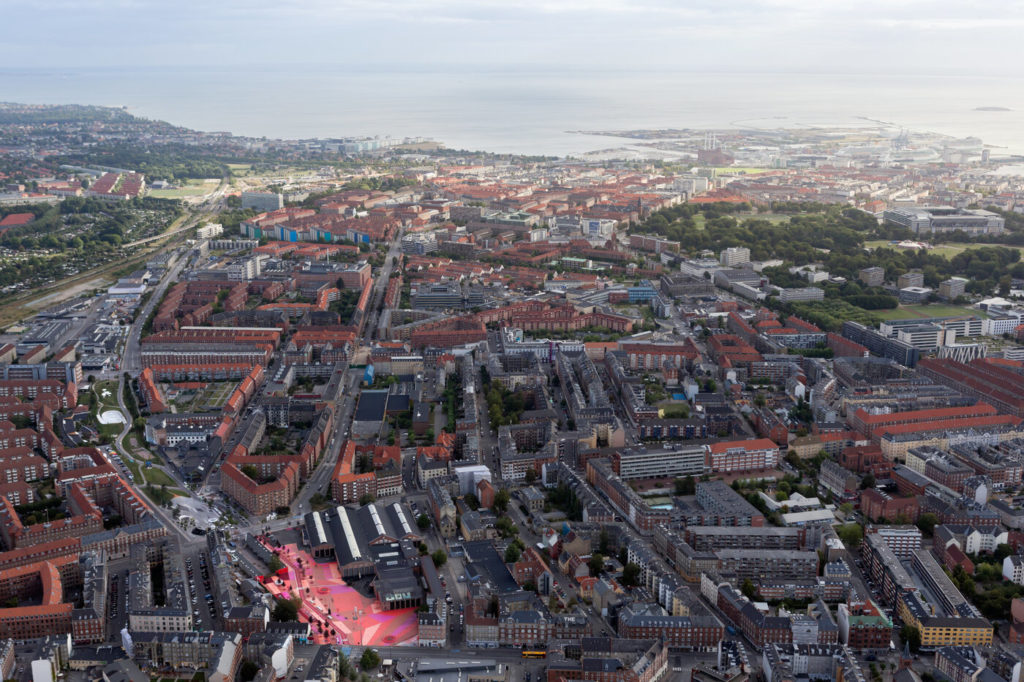
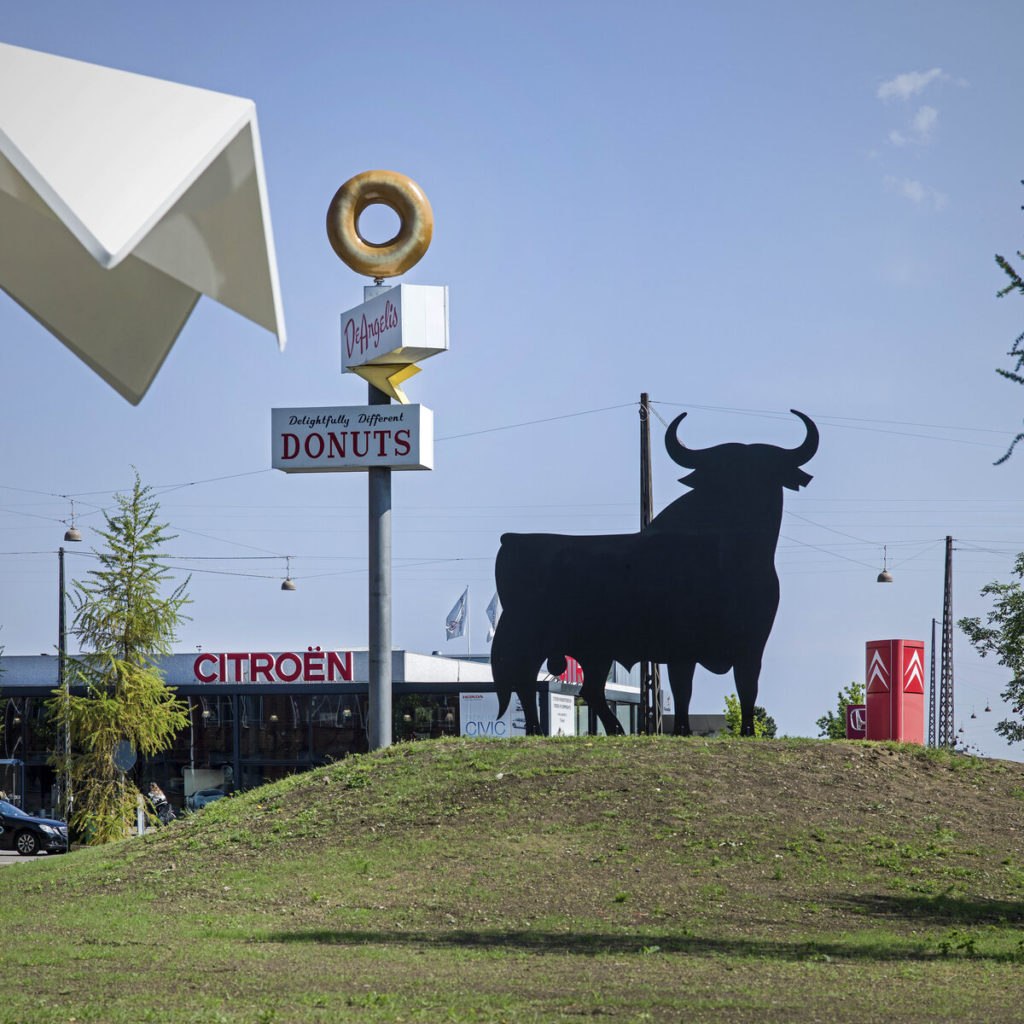
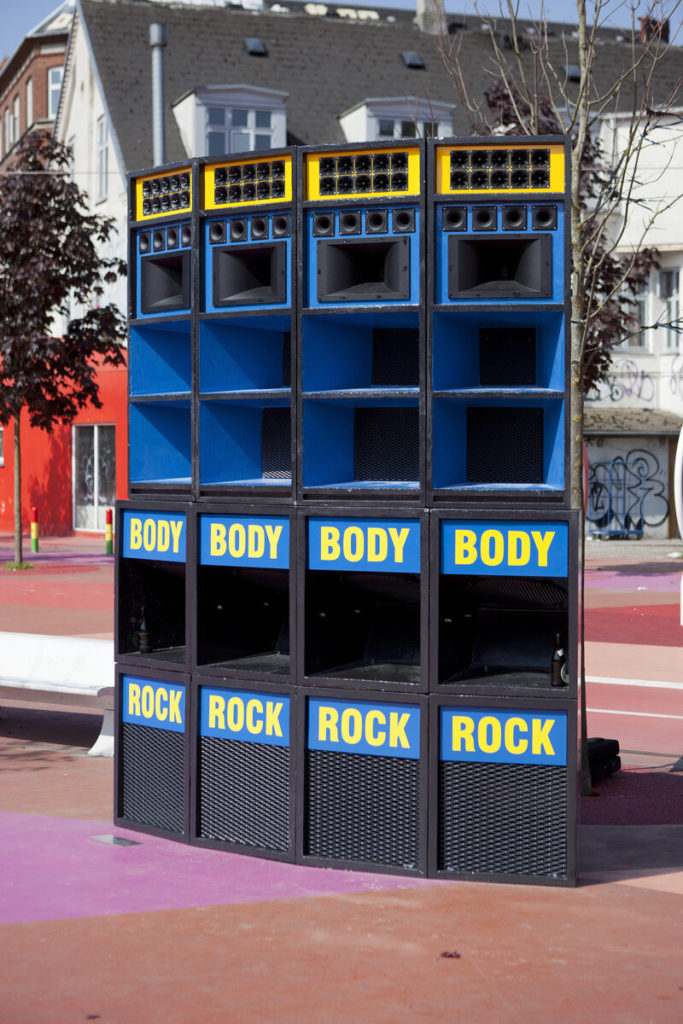
Superk­ilen is one of many pub­lic spaces that have been cre­at­ed over the past twen­ty years in the Copen­hagen dis­trict of Nør­re­bro. The park aimed to cre­ate an extend­ed social space that would inte­grate Nør­re­bro more close­ly into the urban fab­ric. It was also intend­ed to estab­lish con­di­tions for co-man­age­ment and inclu­sion, so that var­i­ous cul­tur­al and eth­nic groups could become part of the plan­ning. Thus, the aim went beyond sim­ply cre­at­ing a space where the neighborhood’s res­i­dents want­ed to spend time. The design was also to reflect their diver­si­ty. In the process, a series of spaces was cre­at­ed that were shaped by dif­fer­ent aspects and pro­grammed by var­i­ous activ­i­ties. But this con­verse­ly rais­es a mul­ti­tude of ques­tions about the pre­cise ambi­tions for and imple­men­ta­tion of civ­il soci­ety par­tic­i­pa­tion processes.


Project

Superk­ilen


Actors

TOPOTEK 1, land­scape archi­tec­ture; Bjarke Ingels Group (BIG), archi­tec­ture ofWice; Super­Wlex, artists; Copen­hagen Munic­i­pal­i­ty, Real­da­nia, comis­sion­ing body


Year

2012


Loca­tion

Copen­hagen, Denmark

© Iwan Baan
© Iwan Baan
© Jens Lindhe
© Super­flex

/* Custom Archives Functions Go Below this line */ /* Custom Archives Functions Go Above this line */

A Co-Financed Bridge Generates New Impulses

© Annette Behrens

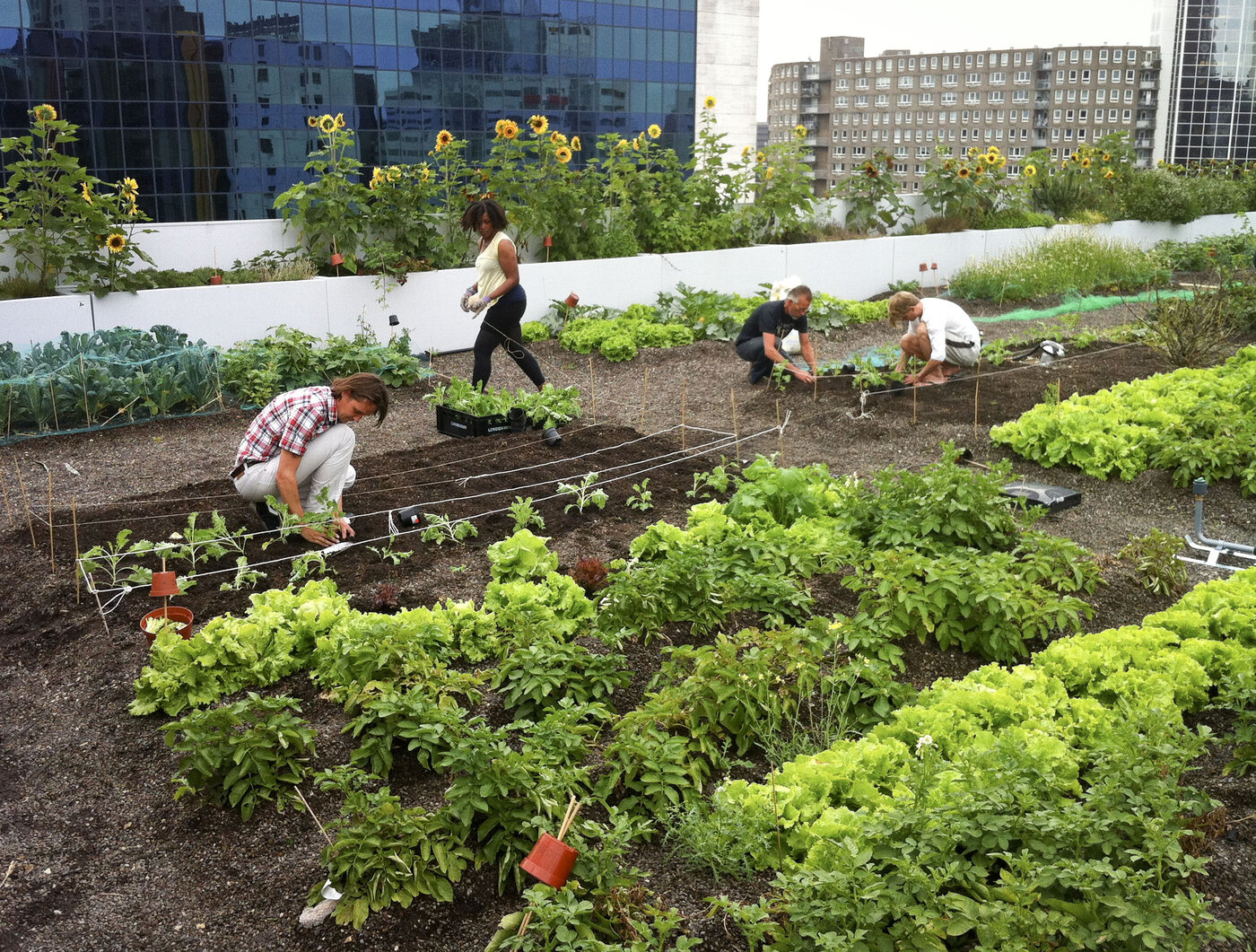
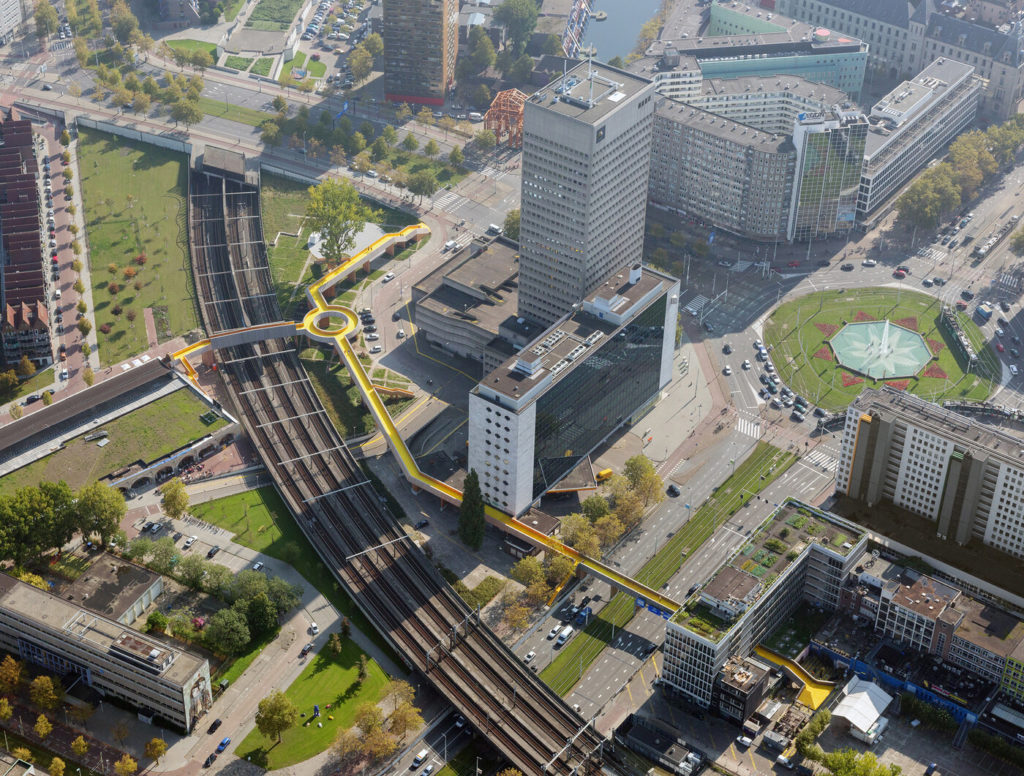
Twen­ty years ago, the archi­tec­ture office ZUS moved into an anony­mous Schieblock in Rot­ter­dam as an anti-squat­ter. At that time, how­ev­er, the areas sur­round­ing this block were cut up and sep­a­rat­ed by roads and rail­way lines. This is how the idea of a bridge was born. The hope: new impuls­es and uses for emp­ty build­ings and urban waste­lands. Inter­est­ing­ly, the bridge brought peo­ple togeth­er even before it exist­ed. Via an inter­net plat­form, peo­ple were able to pur­chase wood­en plank­ing for the future bridge, which was ful­ly opened in 2015. Oth­er aspects of the project were strong­ly sup­port­ed by the munic­i­pal­i­ty of Rot­ter­dam: Work and office space, restau­rants, cafés, and green spaces. Since then, there has been a lot of talk about the quarter’s new vital­i­ty but also about the con­se­quences of upgrad­ing and exclusivity.


Project

Luchtsin­gel


Actors

Zones Urbaines Sen­si­ble (ZUS), ini­tia­tive, plan­ning, archi­tec­ture; approx. 8,000 crowd­fund­ing par­tic­i­pants, co-financ­ing; Rot­ter­dam City Coun­cil, co-financ­ing and organization


Year

Since 2011


Loca­tion

Rot­ter­dam, Netherlands

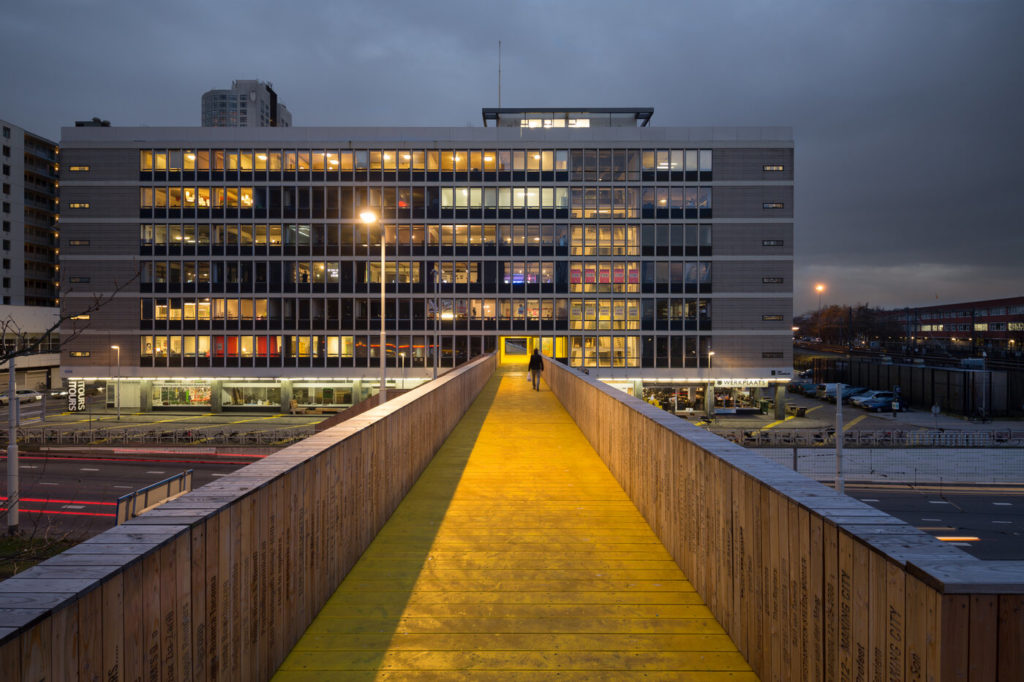
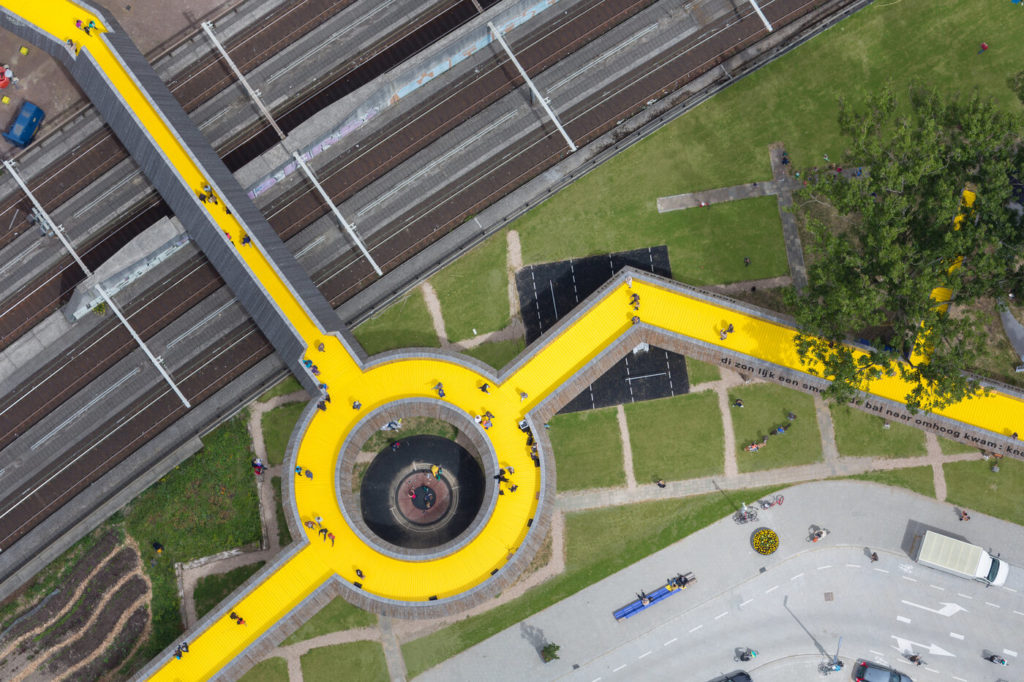
The entire pedes­tri­an bridge is paint­ed in sig­nal yel­low, for Kris­t­ian Kore­man of ZUS the col­or of a tem­po­rary bridge. But this is no longer the bridge—here in the Schiekade cross­ing. Once emp­ty office build­ings like the Schieblock are now filled with uses: Archi­tec­tur­al firms, cre­ative indus­tries, social uses and a depart­ment store in which Rot­ter­dam prod­ucts are sold have set­tled here. © Ossip van Duivenbode
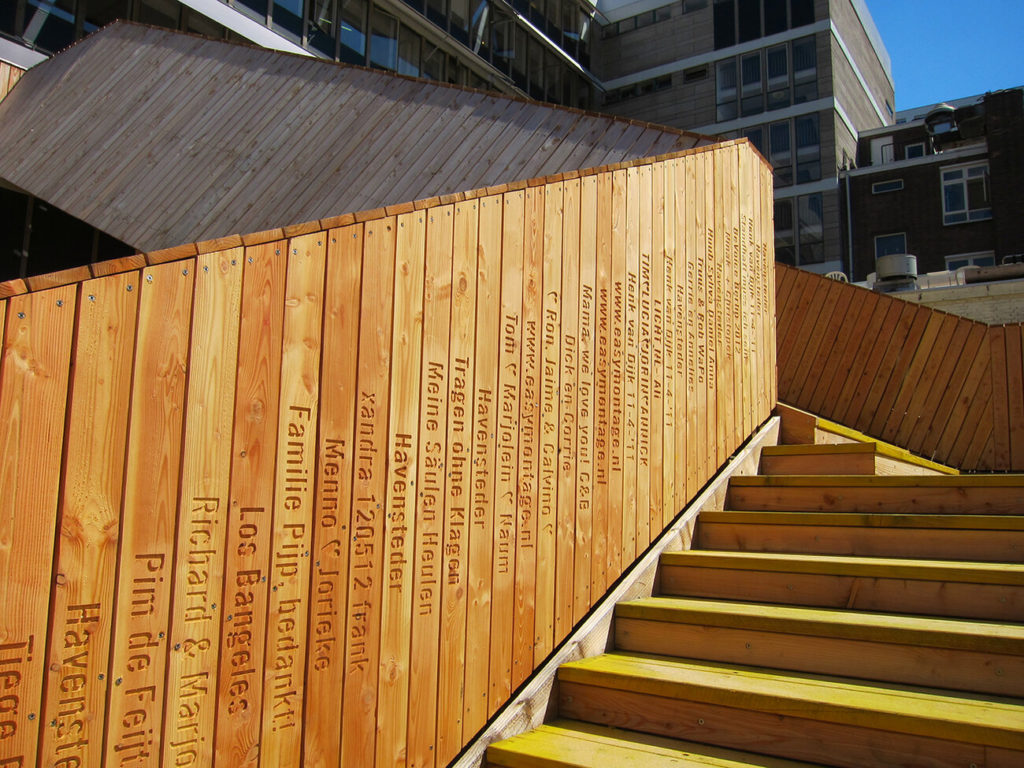
The first con­struc­tion phase of the Luchtsin­gel was financed by the sale of indi­vid­ual wood­en slats, which were offered for sale for 25 Euros each. 17,000 boards were sold in this way. © Ossip van Duivenbode
Luchtsin­gel (Luft­gracht) is the name of a 390-meter-long wood­en bridge that the ini­tia­tors describe as a cat­a­lyst for eco­nom­ic growth—not least because it con­nects dis­tricts in the north of Rot­ter­dam that were pre­vi­ous­ly sep­a­rat­ed by rail­road tracks with the city cen­ter. Archi­tect Elma van Box­el and archi­tect Kris­t­ian Kore­man from the Zones Urbaines Sen­si­bles (ZUS) office ini­ti­at­ed a crowd­fund­ing cam­paign in 2012 to raise funds for the bridge. © Ossip van Duivenbode
© Ossip van Duivenbode

/* Custom Archives Functions Go Below this line */ /* Custom Archives Functions Go Above this line */

Who Builds Our Cities?

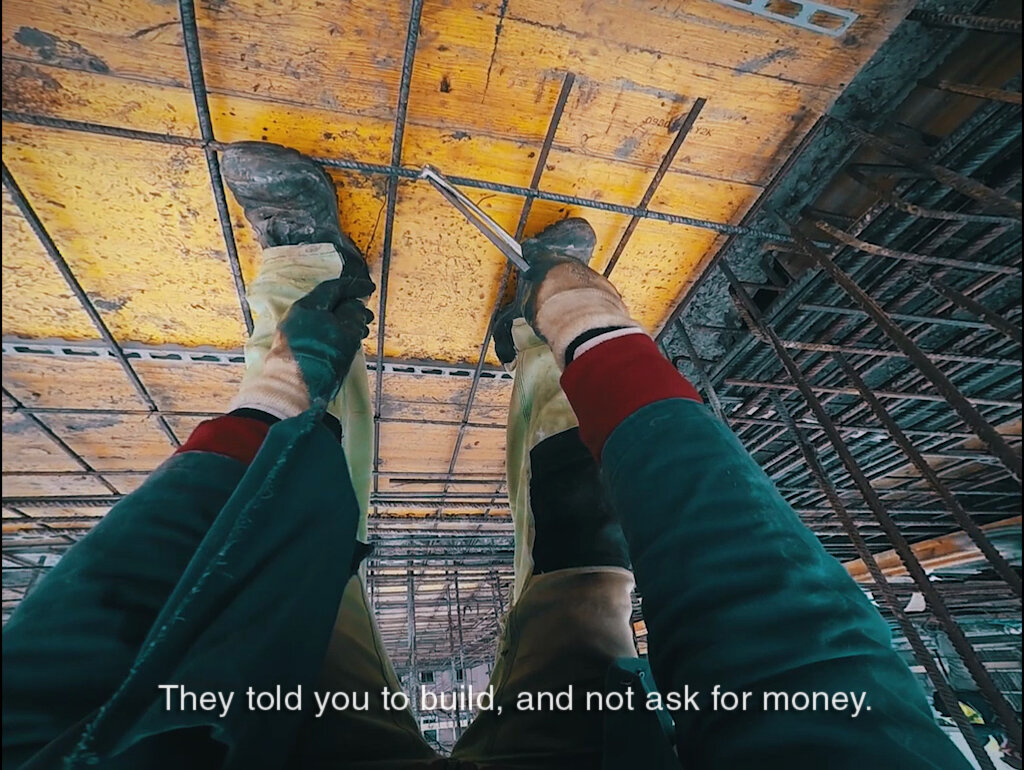
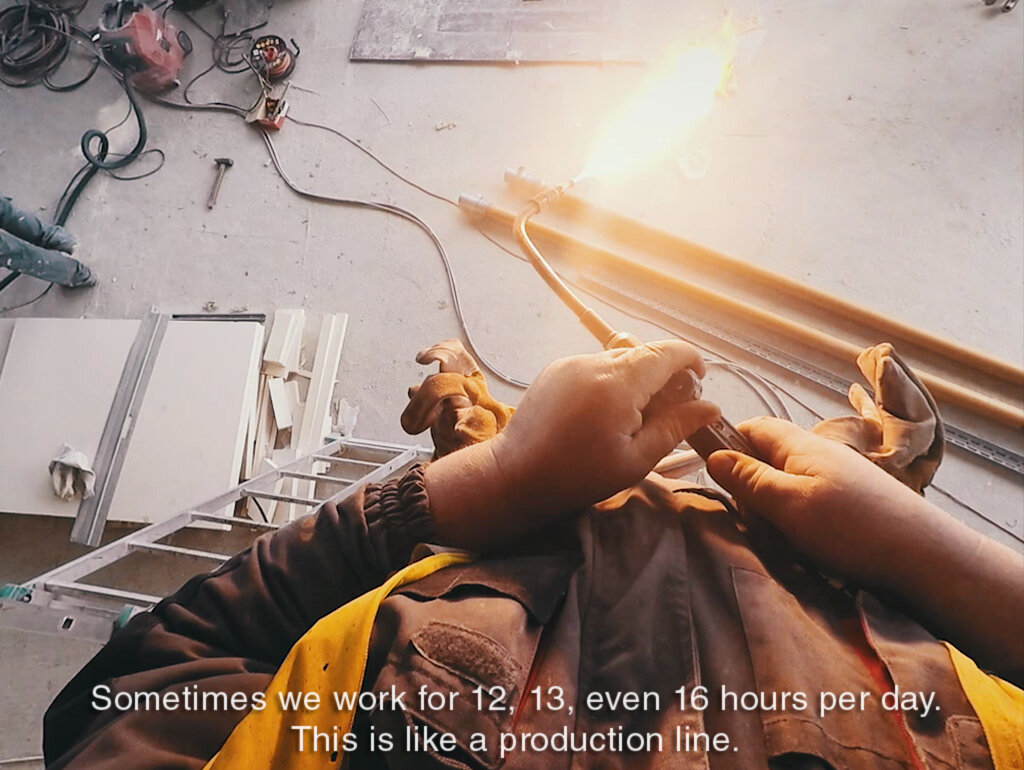
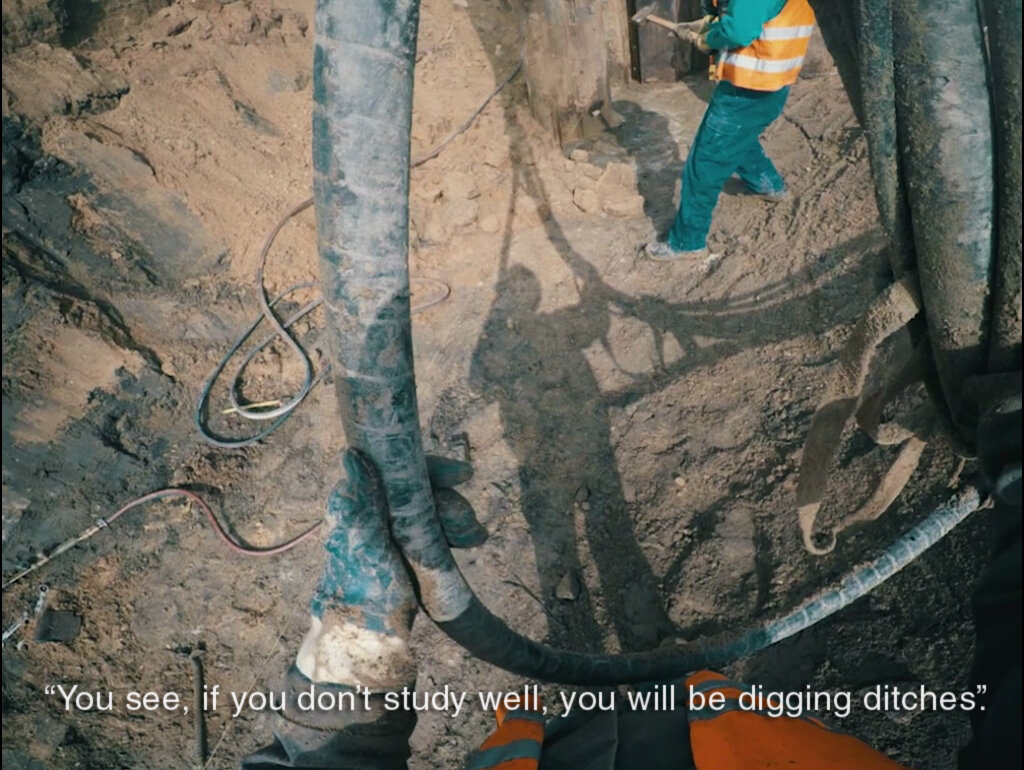
The work­ing con­di­tions of con­struc­tion work­ers are poten­tial­ly life-threat­en­ing when han­dling heavy machin­ery at dizzy­ing heights. Their work­ing days are long; their employ­ment con­tracts, if any, are often inad­e­quate. But the per­son­al sto­ries depict­ed in the films of Mar­ty­na Jan­ic­ka and Michal Gdak do not pil­lo­ry the employ­ers. Instead, they ask, as Jan­ic­ka says, whether fair trade is even fea­si­ble in this field—and if so, what exact­ly could be. 5‑channel film instal­la­tion, Sand (3.11 min), Con­crete (6.03 min), Plas­ters, (3.33 min), Height (3.24 min), Love (2.16 min), 2016 © Fair Building

The Fair Build­ing project is about pre­cise­ly those who are often for­got­ten when archi­tects or pub­lic fig­ures talk about spec­tac­u­lar new con­struc­tions or large-scale urban plan­ning. In con­trast to the film indus­try, where every role, no mat­ter how small, is list­ed in the cred­it roll, archi­tec­ture tends to keep a low pro­file when it comes to the work and the work­ers whose labor allows for build­ings to emerge: work­ers who are employed in pre­car­i­ous con­di­tions, work­ers who tem­porar­i­ly live far from home in inhos­pitable places, work­ers who ply their trade on unse­cured build­ing sites, and work­ers who toil away for days and weeks that are too long. These are the peo­ple who play the lead here.


Project

Fair Build­ing


Actors

Domini­ka Jan­ic­ka, cura­tor; Mar­ty­na Jan­ic­ka, Michal‚ Gdak, con­trib­u­tors; Han­na Wrob­lews­ka, com­mis­sion; Zacheta — Nation­al Gallery of Art, organizationion


Year

2016


Loca­tion

Poland

5‑channel film instal­la­tion, Sand (3.11 min), Con­crete (6.03 min), Plas­ters, (3.33 min), Height (3.24 min), Love (2.16 min), 2016 © Fair Building

/* Custom Archives Functions Go Below this line */ /* Custom Archives Functions Go Above this line */

River Landscapes in the City

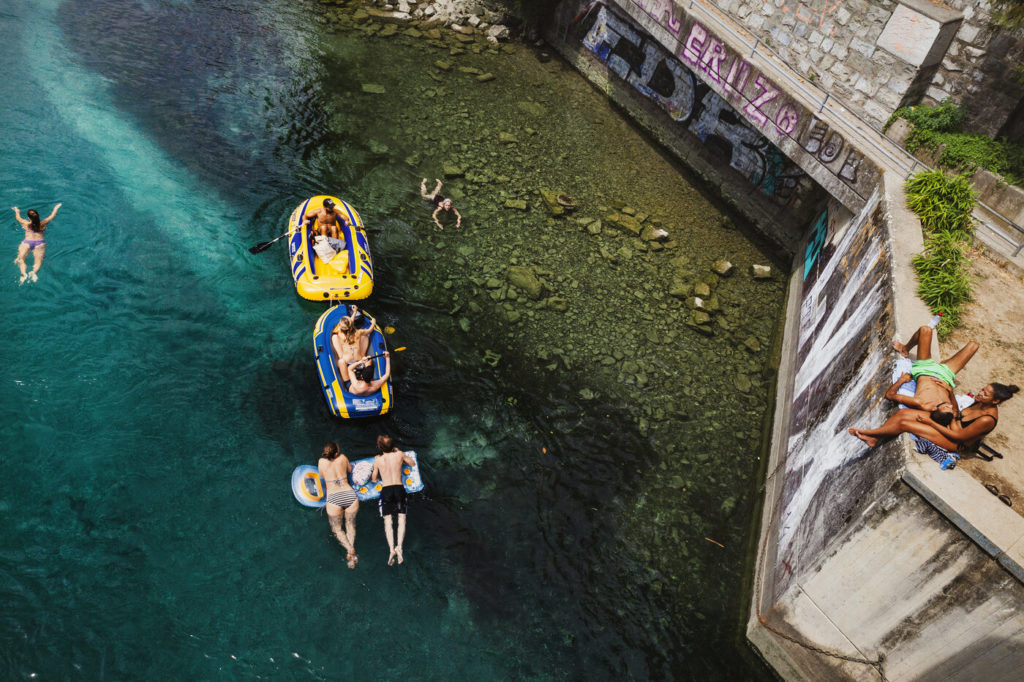
© Lucía de Mosteyrín

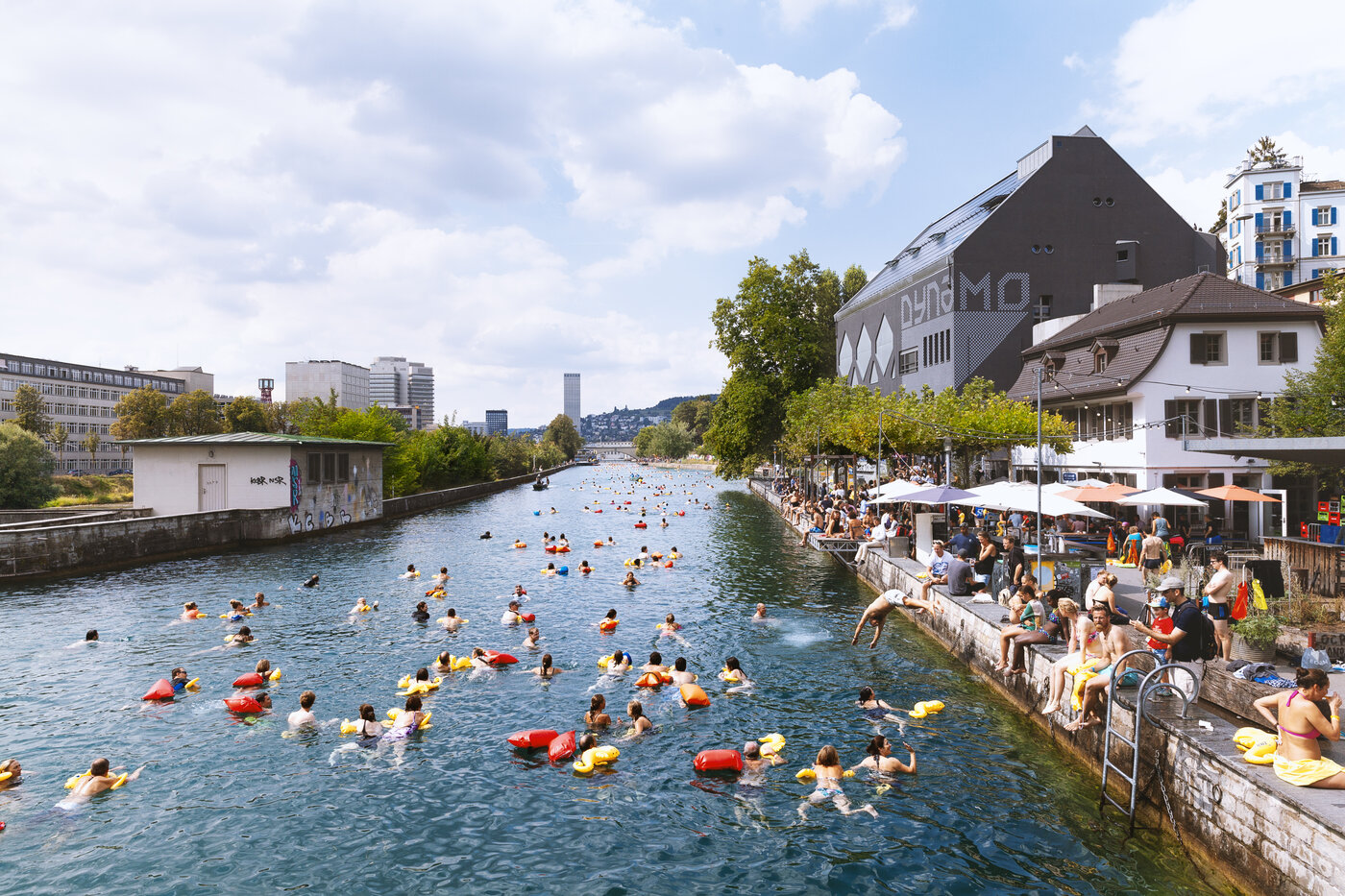
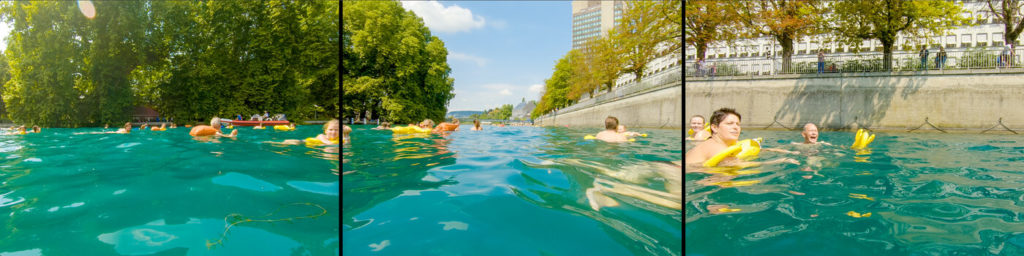
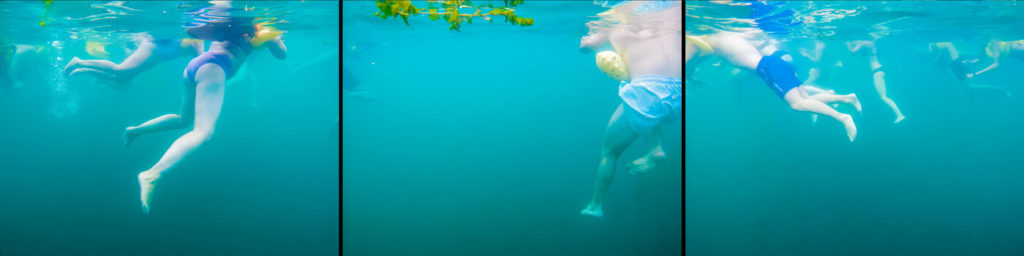
The film Swim City shows us how vital rivers are for the well-being of the entire urban pop­u­la­tion. Whether in the Danube baths in Vien­na, the botan­i­cal gar­dens of Tbil­isi, or the rivers in Basel and Zurich—everywhere peo­ple are jump­ing into the water on warm and even cold days. In oth­er cities, too, where rivers are only just being redis­cov­ered as open spaces, ini­tia­tives are being formed to raise aware­ness of the val­ue of water in the city. This, how­ev­er, goes far beyond the mere pop­u­lar­iz­ing of swim­ming. They are also move­ments that fight for pub­lic access to water against the back­ground of increas­ing pri­va­ti­za­tion of riv­er banks. They make it clear that rivers must be tak­en seri­ous­ly as impor­tant arter­ies in larg­er eco­log­i­cal structures.


Project

Swim City


Con­trib­u­tors

Jürg Egli, artist and Wilm­mak­er; Lucı́a de Mosteyrı́n, pho­tog­ra­ph­er; Bar­bara Buser, Andreas Ruby, and Yuma Shi­no­hara, co-cura­tion; Swiss Archi­tec­ture Muse­um Basel (S AM), commission

Year

2018, Film­ing


Loca­tions

Basel, Bern, Zurich, and Gene­va, Switzerland

Jürg Egli, Swim City, 3‑Kanal Instal­la­tion in video loop (18 min), 2019. © Jürg Egli
© Jürg Egli
© Lucía de Mosteyrín

/* Custom Archives Functions Go Below this line */ /* Custom Archives Functions Go Above this line */